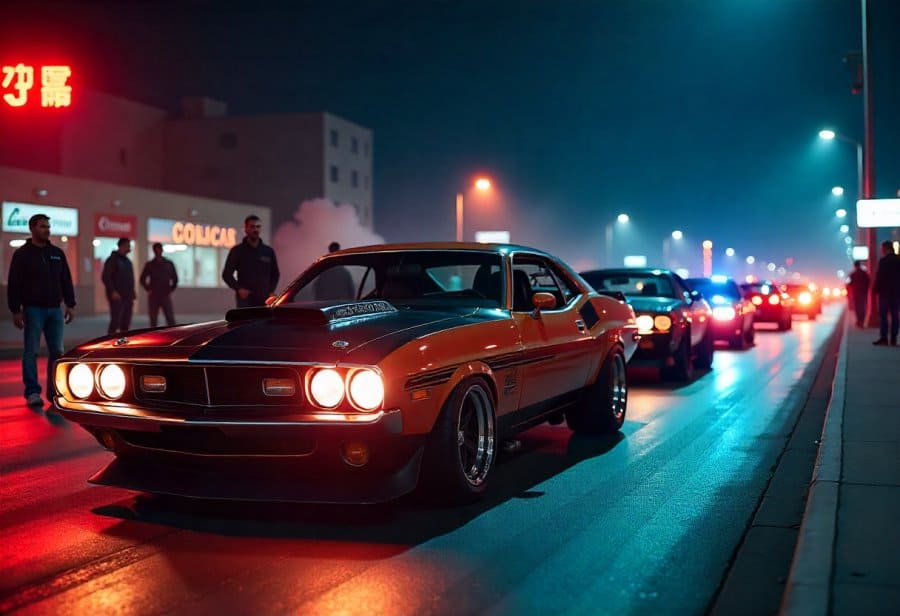
The Dodge Charger stands as an emblem of raw American muscle and rebellious spirit, embodying power, attitude, and freedom on wheels. From its bold origins in the late 1960s muscle car era to its modern incarnations with supercharged engines and advanced technology, this legendary vehicle challenges norms with its aggressive design and thunderous roar. Its iconic silhouette and relentless performance have cemented its place in popular culture—appearing in movies, music, and street scenes as a symbol of defiance and individuality. But as environmental concerns grow, the future of the Charger faces a crossroads: can it preserve its primal power and rebellious attitude in an era shifting toward sustainability? Will electric innovations maintain its fierce spirit, or will new generations redefine what it means to be a true muscle car? The question remains—how will the Charger’s raw power and iconic identity evolve to meet the demands of tomorrow?
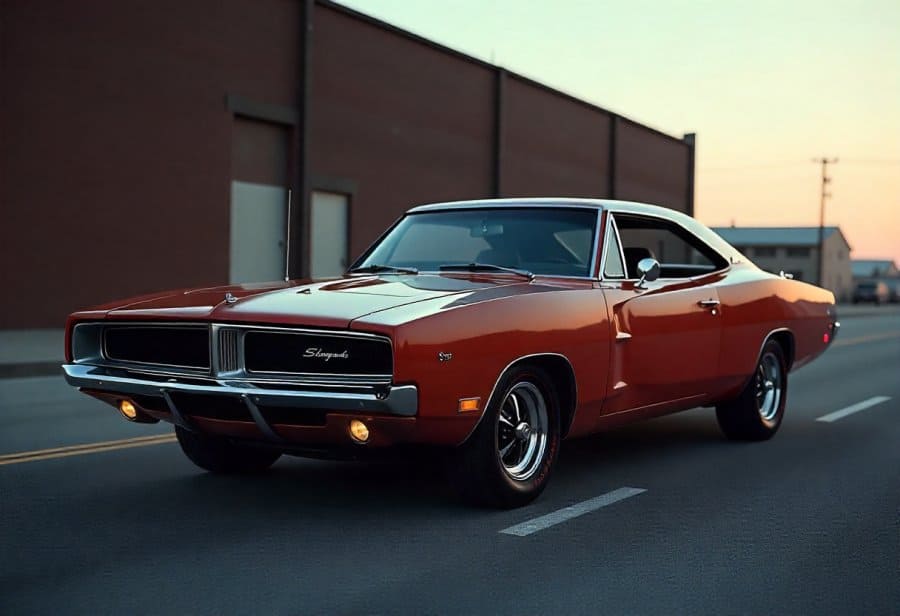
Unleashing the Spirit of American Rebellion: The Dodge Charger
The Dodge Charger is more than just a car; it’s a symbol of American muscle and rebellion. Its bold, aggressive design and thunderous engine roar have made it instantly recognizable and deeply embedded in the cultural landscape. Since its debut in the late 1960s, the Charger has stood for raw power and an unyielding attitude—traits that resonate with anyone who appreciates the spirit of freedom on four wheels. Its wide stance, sharp lines, and distinctive silhouette send a clear message: this isn’t a vehicle built for subtlety or compromise, but for dominance and presence.
Throughout its history, the Charger has embodied the essence of the muscle car era, a time when American automakers competed fiercely to create machines that combined eye-catching style with blistering performance. Dodge aimed to craft a car that was more than transportation—a statement. The Charger’s muscular profile and aggressive grille became symbols of independence and defiance, capturing the imagination of enthusiasts and casual drivers alike. It’s a vehicle that challenges norms and refuses to blend into the background.
The legendary roar of its big-block engines, especially the iconic HEMI, has become a defining feature. These engines deliver primal power that’s impossible to ignore, echoing the rebellious spirit that the Charger embodies. Whether tearing down highways or appearing in movies and music videos, the Charger’s presence commands attention. It’s a vehicle that doesn’t just move—it makes a statement, embodying speed, attitude, and a fearless approach to life on the road.
Today’s modern Dodge Charger continues this legacy, blending classic design cues with cutting-edge technology. It maintains its commanding stance and aggressive styling but now offers supercharged engines and advanced handling features. Despite these updates, the core ethos remains the same: primal, raw power wrapped in a muscle car that defies conformity. The Charger remains a symbol of freedom, strength, and rebellion—an enduring icon that continues to inspire new generations of enthusiasts.
Ultimately, the Dodge Charger captures the unfiltered spirit of American muscle. It’s a rolling declaration of independence, a machine that celebrates speed and individuality. Whether as a vintage icon or a modern performance machine, the Charger’s roar on the road continues to symbolize a fearless attitude and a relentless pursuit of power. It’s more than a car; it’s a cultural legend that refuses to fade.
Building the Legend: Origins and Structural Power of the Dodge Charger
The Dodge Charger’s roots stretch back to the muscle car boom of the 1960s, a time when American automakers were fiercely competing to create vehicles that combined striking design with blistering performance. Dodge’s goal was to craft a car that made a bold statement, one that exuded power and attitude from every angle. The result was the Charger, an aggressive, fastback silhouette designed to turn heads and challenge the status quo. Its muscular profile was more than aesthetic; it was a reflection of the car’s performance-driven philosophy, emphasizing speed and dominance.
Structurally, the Charger was built around a sturdy unibody chassis, providing a blend of strength and agility. Its wide stance and low center of gravity weren’t just for looks—they contributed to stability at high speeds and sharp handling. Early models housed formidable big-block V8 engines, like the legendary 426 HEMI, which delivered jaw-dropping horsepower and torque. These powerplants weren’t just about raw speed—they embodied the primal road power that defined the muscle car era, giving drivers a sense of control and dominance.
Design was a key part of the Charger’s identity. Its long, fastback roofline, paired with bold muscular lines and a broad grille, was crafted to evoke a sense of motion, even when the car was standing still. Inside, the focus remained on the driver, with straightforward controls that emphasized performance and control over luxury. Every element of its design communicated purpose: a machine built for those who dared to push limits, whether on the street or the strip.
Over the years, the Charger evolved alongside technological advances, incorporating improved aerodynamics and handling features. Despite these updates, it retained its core muscular identity—wide stance, aggressive styling, and powerful engines. This balance of tradition and innovation allowed the Charger to stay relevant, maintaining its reputation as a true American muscle car. After a decline in popularity during the ’70s, Dodge revived the model in the early 2000s, paying homage to its roots while integrating modern technology.
Today’s Chargers blend classic muscle car styling with modern engineering. They still feature the broad, commanding presence that made the original famous, but now include supercharged engines, advanced safety, and handling systems. This evolution preserves the essence of the Charger—raw, primal power with a contemporary edge—ensuring it remains an icon of American muscle and rebellion. Its architecture and design continue to reflect a legacy of strength, speed, and fearless attitude.
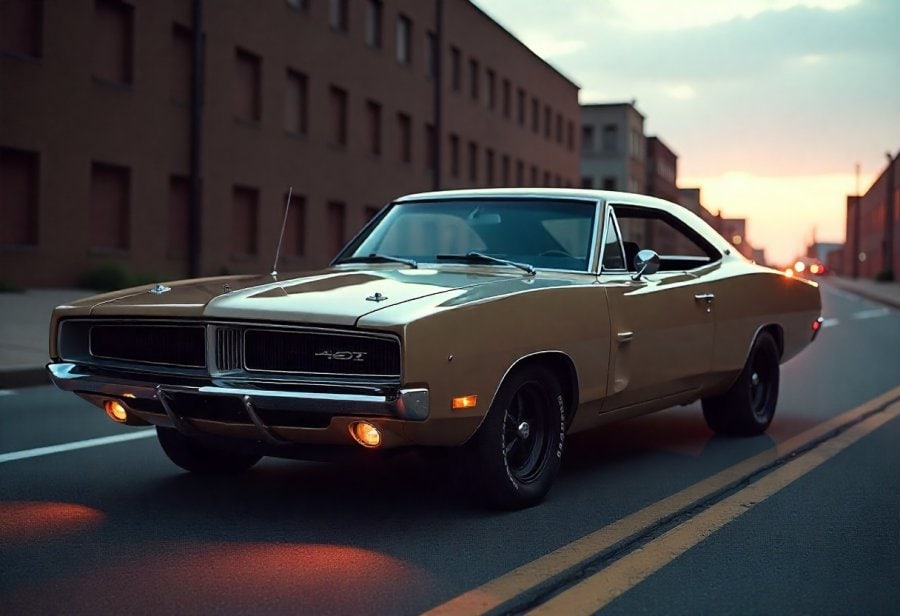
The Modern Muscle Icon: Performance and Cultural Impact of Today’s Dodge Charger
The modern Dodge Charger continues to command attention on the streets and in popular culture, reaffirming its status as a true street racing beast. With models like the SRT Hellcat, it pushes the boundaries of performance, offering supercharged V8 engines that deliver astonishing acceleration and raw power. Its deep growl and aggressive stance make it impossible to ignore, embodying the primal road power that has made the Charger a legendary muscle car for generations. Enthusiasts see it not just as a vehicle, but as a symbol of rebellion and individualism.
In movies, TV shows, and music videos, the Charger is often portrayed as the vehicle of choice for those living on the edge. Films like the “Fast & Furious” franchise have helped cement its iconic status, showcasing it as the ultimate street racing icon. Its broad, muscular silhouette and unmistakable taillights evoke a sense of attitude and defiance, resonating with fans who admire the car’s rebellious spirit. The Charger’s cultural footprint extends beyond performance, becoming a symbol of freedom and unfiltered power.
Despite its cultural dominance, the Charger faces scrutiny from environmental advocates. Its high-performance engines, especially the supercharged V8s, produce significant emissions, sparking debates about the environmental impact of muscle cars. Some argue that such raw power conflicts with the push for greener transportation. In response, automakers are exploring hybrid and electric options that aim to preserve the Charger’s rebellious spirit while addressing sustainability concerns. This shift signals an evolving chapter for the model, blending tradition with innovation.
The Charger’s influence transcends its technical specs; it’s woven into the fabric of American automotive identity. Its frequent media appearances and cultural references reinforce its image as a symbol of speed, attitude, and independence. Whether tearing down highways or making appearances in music videos, it continues to inspire a sense of power and individuality. For many, the Charger represents more than just raw horsepower—it embodies a fearless attitude that challenges norms and celebrates freedom on wheels.
Looking ahead, the Charger’s legacy seems poised for evolution rather than extinction. As regulations tighten and consumer preferences shift, future models may incorporate lightweight materials, advanced aerodynamics, and electric propulsion. Yet, the bold aesthetic—wide stance, aggressive lines, and signature taillights—will likely endure. This blend of modern technology and classic design aims to keep the Charger relevant, ensuring that its primal road power and rebellious spirit continue to roar into the future. Its enduring influence proves that, whether powered by gas or electricity, the legendary spirit of the Dodge Charger remains unstoppable.
Embracing the Rebellion: How to Engage with the Dodge Charger Legacy
To truly embrace the spirit of the Dodge Charger, start by immersing yourself in its rich history and vibrant community. Attending muscle car shows and local gatherings offers a chance to see authentic Chargers up close, learn about their design and performance, and connect with fellow enthusiasts. These events are great for gaining insights into restoration projects and modifications, helping you appreciate the Charger’s rebellious roots firsthand.
For those interested in performance, simple upgrades can make a noticeable difference without overwhelming beginners. Upgrading the exhaust system or suspension components not only enhances the primal road power but also enriches your driving experience. These tweaks sharpen sound and handling, bringing you closer to the raw, unfiltered power that defines the muscle car legend. As confidence grows, more advanced modifications like turbochargers or brake upgrades can unlock even more of the Charger’s street racing potential.
Restoration projects provide another meaningful way to connect with the Charger’s legacy. Restoring a vintage model involves sourcing original or aftermarket parts, carefully preserving its iconic lines, and breathing new life into a classic muscle car. This hands-on process demands patience and a willingness to learn, but it creates a direct link to the rebellious spirit of the Charger. Watching a vintage model come back to life offers a sense of accomplishment and deepens your appreciation for the craftsmanship behind this legendary vehicle.
Supporting your journey are a wealth of resources designed for enthusiasts at every level. Repair guides from brands like Haynes or Chilton offer clear, step-by-step instructions, making maintenance and upgrades more accessible. Online communities and social media groups connect you with experienced owners who share advice, tips, and stories. YouTube channels dedicated to muscle car restorations and modifications serve as visual tutorials, inspiring and educating you along the way. These tools empower newcomers to engage confidently with the Charger’s primal road power.
Engaging with the Charger’s rebellious spirit extends beyond owning or working on the car. It’s about embodying the attitude and confidence that come with it—pushing boundaries, celebrating individuality, and making a statement on the road. Every cruise, race, or restoration step reinforces the legacy of this legendary muscle car. By becoming part of the community and respecting its history, you help keep the primal power and rebellious attitude alive for future generations.
Participating actively in local clubs, online forums, and car meets helps preserve the Charger’s iconic status. Sharing stories, techniques, and experiences fosters a sense of camaraderie and keeps the spirit of rebellion thriving. These connections deepen your understanding and appreciation, ensuring the Charger’s influence continues to inspire new enthusiasts. Your involvement guarantees that its legacy of raw power and independence remains vibrant and relevant.
Finally, consider documenting your journey—whether through social media, blogs, or photo essays. Sharing your restoration projects, modifications, or road adventures spreads the Charger’s story and inspires others to join the movement. Every post, photo, or video adds to the collective memory of this legendary car, reinforcing its place as a symbol of American muscle and rebellion. Embracing the Charger’s spirit is a continuous act of passion, community, and respect for a machine that embodies raw, primal power.
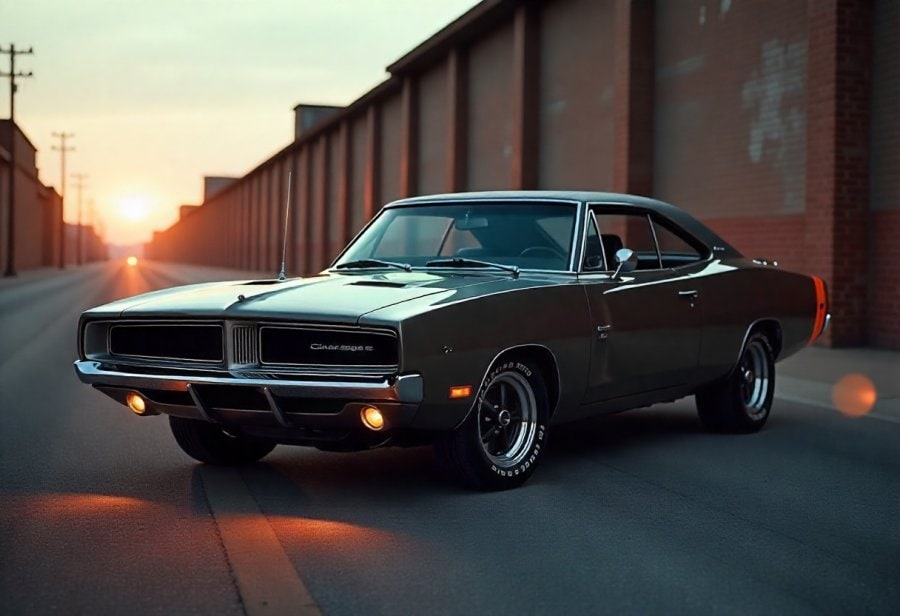
Legacy and Evolution: The Future of the Dodge Charger
The Dodge Charger’s legacy remains as powerful today as it was when it first roared onto American streets in the late 1960s. Its ability to blend primal road power with modern technology keeps it relevant, inspiring both longtime enthusiasts and newcomers alike. The iconic growl of a supercharged V8 and its commanding stance continue to symbolize raw performance and rebellion, cementing its place as a true muscle car legend. Its presence in movies, music, and street scenes has helped create a timeless image that resonates beyond just car lovers.
Looking ahead, the future of the Dodge Charger is one of evolution rather than extinction. As environmental regulations tighten and market preferences shift, automakers are exploring ways to preserve its rebellious spirit. Electric muscle cars are already on the horizon, promising to deliver instant torque and primal acceleration with a cleaner energy footprint. These innovations aim to keep the essence of the Charger alive, adapting its raw power for a new era while maintaining that unmistakable attitude.
Design-wise, future Chargers will likely incorporate lightweight materials, aerodynamic enhancements, and advanced driver-assistance systems. Yet, the bold aesthetic—wide stance, aggressive lines, and signature taillights—will probably endure as a defining feature. This blend of modern tech and classic design ensures the Charger remains relevant amid a rapidly changing automotive landscape. Its deep roots in American culture and reputation for raw power give it a unique advantage—an emotional connection that no technology can fully replace.
The Charger’s influence extends beyond performance specs; it’s woven into the fabric of American automotive identity. Its appearances in films, music, and street scenes reinforce its symbolism of speed, attitude, and independence. Every time it roars down the highway or appears in media, it reminds us of its rebellious origins and the freedom it stands for. As new generations discover its story, the Charger’s legendary status continues to grow, inspiring a sense of individuality and strength that transcends time.
Communities and enthusiasts play a vital role in preserving its legacy. Car clubs, restoration projects, and online forums share stories, techniques, and passion, ensuring the Charger’s rebellious spirit lives on. These groups foster a sense of camaraderie and help pass down knowledge, keeping the primal road power and iconic attitude alive for years to come. Their dedication ensures that the Charger’s roar remains a symbol of freedom and strength.
Innovation will undoubtedly shape the Charger’s future, but its core identity will stay intact. Whether powered by traditional V8 engines or electric motors, the essence of unfiltered power and fearless attitude will endure. This ongoing evolution helps the Charger stay relevant, bridging past and present while inspiring new generations to embrace its rebellious spirit. The legacy of the Dodge Charger isn’t just about speed; it’s about standing tall against conformity and celebrating raw American muscle.
In the end, the Dodge Charger stands as a testament to resilience and the unyielding pursuit of power. Its ability to adapt without losing its soul secures its place at the forefront of automotive legends. As it continues to roar into the future, the Charger’s primal spirit—embodying rebellion, freedom, and raw horsepower—will remain an enduring symbol. Its story is far from over; it’s a living testament to the unbreakable bond between muscle cars and the raw, unfiltered desire for speed.