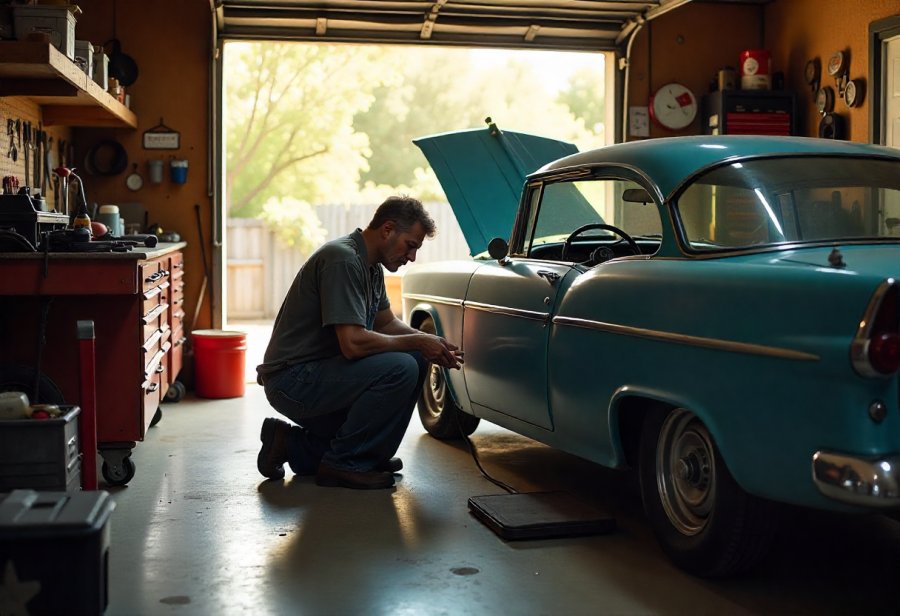
Choosing between a small family-run garage and a large automotive chain isn’t just about where to get your car fixed—it’s about safeguarding your vehicle’s future. Do personalized, community-trusted mechanics provide better long-term care, or do the efficiency and technological edge of big chains offer the reliability you need? Small garages often excel in building trust through tailored service and deep familiarity with your car’s history, making them ideal for ongoing care—especially for older or classic vehicles. Conversely, large chains deliver consistent quality across locations, backed by advanced diagnostics and nationwide warranties, perfect for modern, complex cars and busy travelers. Both models rely on certified technicians and transparency to ensure quality but appeal to different priorities. The question remains: which approach best protects your investment? Whether you seek personal attention or technological precision, making an informed choice can extend your vehicle’s lifespan and secure your peace of mind in today’s complex automotive landscape.
Table of Contents
Choosing Your Vehicle’s Future: The Power of Garage Selection
Choosing the right garage isn’t just about getting your car fixed; it’s about safeguarding your long-term investment. The decision between a small, family-run shop and a large chain can significantly influence the health and lifespan of your vehicle. Each option offers distinct advantages, shaped by their service style, expertise, and approach to customer care.
Small, independent garages often build their reputation on personal relationships and community trust. They tend to rely on word-of-mouth and long-standing connections, which encourages a more tailored, attentive service. When you work with a familiar mechanic who remembers your vehicle’s history, repairs can be more precise and considerate of your specific needs. This familiarity fosters a sense of confidence and reassurance that your car is in caring hands.
Larger chains, on the other hand, prioritize consistency and efficiency. They invest heavily in advanced diagnostic tools, standardized procedures, and ongoing staff training. This approach ensures that no matter which location you visit, the quality of service remains uniform. For busy drivers or those who travel frequently, this reliability and the availability of nationwide warranties provide added peace of mind, especially when dealing with newer or complex vehicles.
The choice isn’t solely about size; it’s about what matters most to you—whether that’s a personal touch and community connection or technological expertise and predictable quality. Small garages often excel at offering flexible scheduling and competitive pricing, making them ideal for routine maintenance and long-term vehicle care. Large chains might be better suited for quick diagnostics, extensive repairs, or when you need the reassurance of a standardized process.
Understanding the scope of your vehicle’s needs and your priorities is key. If you value a relationship with a mechanic who genuinely understands your car and provides personalized service, a small garage might be the best fit. Conversely, if you seek the convenience of quick, consistent service and the security of broad warranties, a large chain can meet those expectations. Making an informed choice helps ensure your vehicle remains reliable and well-maintained for years to come.
From Local Roots to Industry Giants: The Evolution of Garage Models
The story of automotive servicing begins in the early 20th century, when small, local garages started to emerge alongside the rapid rise of the automobile. These early workshops were often family-run businesses that relied heavily on personal relationships and community trust. Their success was built on reputation and the quality of their work, with word-of-mouth serving as the primary form of advertising. As cars became more common, these garages developed deep expertise tailored to the needs of their local customers, creating a sense of familiarity and loyalty that still influences many shops today.
During the mid-century, as vehicles grew more complex, small garages expanded their capabilities by investing in specialized tools and honing their craftsmanship. Mechanics learned to work on an increasingly diverse range of models and technologies, often relying on hands-on experience and personalized service. This approach fostered trust, as mechanics remembered their customers’ vehicle histories and offered tailored advice, making these shops a trusted part of their communities.
The rise of large automotive chains marked a significant shift in how vehicle repairs and maintenance were approached. Driven by economies of scale, these companies aimed to deliver consistent quality across multiple locations through standardized procedures and branded processes. They invested heavily in advanced diagnostic equipment and ongoing technician training, allowing them to handle modern vehicles efficiently and accurately. This move from local craftsmanship to corporate systems brought greater predictability, especially appealing to frequent travelers and owners of newer cars who valued warranty coverage and nationwide support.
This transition also changed the customer experience. Chain garages emphasized speed, efficiency, and uniformity, often at the expense of personal relationships. While some drivers appreciated the convenience and consistent quality, others felt a loss of the community touch that once defined neighborhood shops. Technological advancements, like computerized diagnostics, became a game-changer—enabling even large chains to quickly identify and fix complex issues on newer vehicles, ensuring repairs were both accurate and timely.
Throughout their evolution, technician certification has played a crucial role. Independent garages often rely on the skills and reputation of experienced mechanics, but staff qualifications can vary widely. Large chains enforce strict certification standards, such as ASE or manufacturer-specific training, helping to ensure consistent skill levels and repair quality. This focus on ongoing education continues to shape the trustworthiness of both small and large garages today, blending tradition with technological progress to meet the demands of modern automotive care.
Your Trusted Auto Repair Experts in Thornhill, Ontario
For residents of Thornhill, Ontario, Beck Automotive Services, also known as Beck Auto, offers comprehensive auto repair services designed to keep your vehicle running smoothly. Their expert team provides essential services such as oil changes, brake repairs, engine diagnostics, transmission servicing, tire replacements, and general vehicle maintenance. In addition to top-notch repairs, Beck Auto specializes in used car sales, helping you find reliable vehicles at great prices. Whether you need routine maintenance or major repairs, Beck Automotive Services is your go-to destination for quality and trusted service. Contact them today at [email protected] or call 416-222-6583 to schedule your appointment and experience the difference.
Today’s Garage Landscape: Personal Touches Versus Technological Might
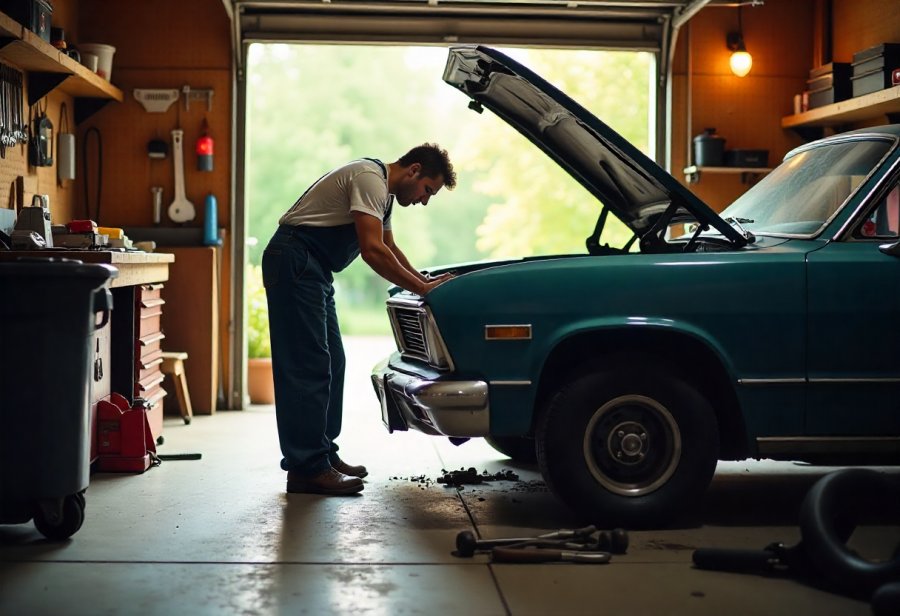
Today, small, family-run garages remain a vital part of local communities. They are known for their personalized approach, often building strong relationships with repeat customers. Mechanics in these shops tend to know their clients’ vehicles thoroughly, providing advice tailored to each car’s history and needs. This familiarity fosters trust and makes for a more engaging, responsive service experience. Many customers appreciate the flexibility these garages offer in scheduling and pricing, often feeling more valued than they would in a larger, more impersonal setting.
Meanwhile, large chain garages have extended their reach across regions and even nationwide. They prioritize consistency and speed, following standardized procedures designed to deliver uniform quality no matter which location you visit. Their investment in advanced diagnostic technology allows technicians to quickly identify issues, even with complex modern vehicles. This technological edge helps ensure repairs are accurate, saving time and reducing the chance of recurring problems. For owners who travel frequently or relocate often, these nationwide warranties and reliable service are significant advantages.
Operationally, small garages often focus on personalized service and community trust. Experienced mechanics who know their customers’ cars inside and out can offer tailored solutions that larger shops might overlook. They tend to be more flexible with scheduling and pricing, making routine maintenance less stressful. In contrast, large chains typically emphasize efficiency, using the latest tools and training to handle high volumes of work swiftly. Their process-driven approach appeals to busy drivers who need quick turnaround times without sacrificing quality.
Pricing strategies also differ. Independent garages usually provide more room for negotiation and custom quotes, which can be a plus for long-term vehicle owners. Large chains, on the other hand, feature transparent, fixed pricing structures that many find reassuring. Their warranties and standardized procedures contribute to a sense of security, especially when dealing with newer vehicles or complex repairs. Both models serve their audiences well, depending on what drivers prioritize—whether personal attention or technological reliability.
The choice between a small or large garage often comes down to individual needs and preferences. For those who value a relationship built on trust and familiarity, a local family-run shop can be ideal. Conversely, if convenience, speed, and nationwide support are priorities, a large chain might be the better fit. Recognizing these differences helps drivers make informed decisions that best support their vehicle’s long-term health and their peace of mind.
Despite their differences, both types of garages share a common goal: keeping your vehicle safe, reliable, and well-maintained. Their success hinges on the quality of their technicians, their transparency, and their reputation. Whether you seek the personal touch of a neighborhood shop or the technological comfort of a national chain, knowing what each offers ensures your vehicle gets the care it needs to perform at its best.
In today’s automotive landscape, understanding how small and large garages operate helps you choose the right partner for your car. Both options have unique strengths, and choosing wisely can extend your vehicle’s lifespan while providing peace of mind. By considering your priorities—whether personalized service or technological prowess—you can find a garage that truly meets your expectations and supports your long-term driving needs.
Deciphering Trust: How to Evaluate and Select the Right Garage for Your Car
When choosing a garage, verifying the technicians’ certifications is a crucial step. Certifications like ASE or manufacturer-specific credentials indicate that the staff meet industry standards and possess the necessary skills to handle your vehicle properly. Asking to see proof of these qualifications and confirming their validity helps you avoid subpar work and future headaches. Skilled, certified technicians are more likely to diagnose issues accurately and perform repairs that last, giving you confidence in their work.
Reviews and recommendations can reveal a lot about a garage’s reliability. Checking online review sites, social media, or asking friends and family for their experiences provides valuable insights. Consistent praise for honesty, quality, and good communication suggests a trustworthy shop. Conversely, recurring complaints about hidden charges, missed appointments, or poor repairs should raise red flags. Doing this research helps you steer clear of places that might cut corners or overcharge.
Before authorizing repairs, request a detailed, written estimate. Transparent garages offer a clear breakdown of parts and labor costs upfront. This not only prevents surprises when the bill arrives but also makes it easier to compare prices across different shops. Vague quotes or shops hesitant to provide estimates in writing often indicate a lack of transparency. A detailed estimate shows confidence and a commitment to honest service.
Service transparency goes beyond pricing. A reputable garage explains repairs in plain language, highlighting what’s urgent and what can wait. They should be open about their methods and reasons, helping you understand your vehicle’s needs. If a shop is vague or pushes unnecessary repairs, it’s a sign to reconsider. Honest communication builds trust and ensures you’re making informed decisions that protect your car’s long-term health.
Access to modern diagnostic tools is especially important for newer or more complex vehicles. Larger garages typically have the latest equipment, enabling technicians to identify problems quickly and accurately. Smaller shops might rely more on experience, but they should still have essential tools for your vehicle. The ability to diagnose issues correctly the first time saves time and money, reducing the chances of recurring problems down the line.
Technician certification isn’t a one-time achievement. Ongoing training and education reflect a garage’s dedication to staying current with automotive technology. Find out if staff regularly attend courses or manufacturer updates. Certified and well-trained technicians are more likely to deliver quality repairs that safeguard your vehicle’s performance and safety over time.
Trustworthiness hinges on consistency and honesty. Reading reviews, verifying credentials, and asking questions about their process help you find a garage that values transparency. Whether it’s a trusted neighborhood shop or a national chain, knowing they prioritize skill and integrity makes all the difference. Investing a little effort in research now can ensure your vehicle remains reliable and well-maintained for years to come.
Deciding Your Best Fit: Key Takeaways on Small and Large Garage Advantages
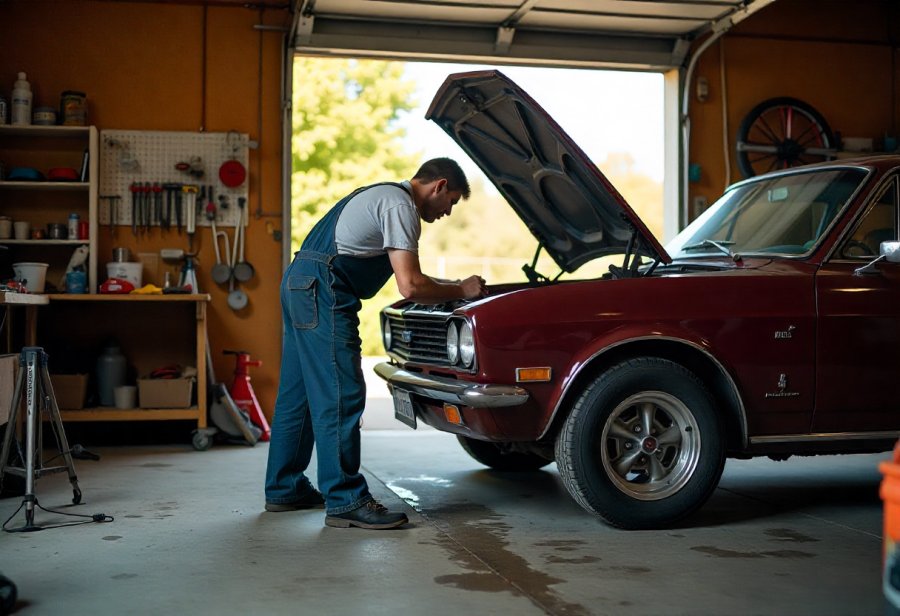
Both small, family-run garages and large chains bring unique strengths tailored to different driver priorities. Small garages excel in building trust through personalized service and deep familiarity with each vehicle. Their long-standing community connections often translate into tailored advice and careful maintenance, making them ideal for owners who value a relationship with their mechanic and long-term care. This personalized approach fosters confidence, especially when dealing with older or classic cars that benefit from detailed attention.
Large chains, by contrast, prioritize consistency and technological prowess. Their investment in advanced diagnostic tools and standardized procedures ensures reliable, efficient service across multiple locations. For owners of newer vehicles or those who travel frequently, this uniformity and the security of nationwide warranties provide peace of mind. The speed and precision of these operations often mean less downtime and more predictable costs, which is highly appealing in today’s busy world.
The role of technician certification acts as a bridge between these models. Independent garages with experienced, trusted mechanics can deliver excellent results, but ongoing certification and training are crucial for maintaining quality. Large chains enforce rigorous standards, ensuring that every technician meets industry benchmarks, which helps guarantee a baseline of skill and reliability. This focus on continuous learning reinforces the trustworthiness of both types of garages, blending tradition with modern expertise.
Reputation remains a key factor regardless of size. Positive reviews, recommendations, and transparent communication build confidence in your choice. A garage that consistently delivers honest work and clear explanations helps protect your vehicle’s long-term health. Whether you seek the personal connection of a neighborhood shop or the dependable quality of a national chain, trust is the foundation of good automotive care.
Choosing the right garage depends on your specific needs and values. If a personal touch, community trust, and tailored service matter most, a small garage can be a true partner in your vehicle’s longevity. Alternatively, if you prioritize speed, technological innovation, and broad warranty coverage, a large chain might be the smarter option. Recognizing these strengths allows you to make an informed decision aligned with your vehicle’s demands.
Both options serve their purpose well, and the best choice is the one that aligns with your expectations and lifestyle. The key lies in finding a garage that values honesty, skill, and consistency—traits that ultimately ensure your vehicle remains reliable and in good shape. Building a relationship with a trustworthy mechanic, whether local or national, pays off in peace of mind and vehicle longevity.
In the end, no matter the size of the garage, your goal should be to partner with a professional who treats your vehicle with care and transparency. Such a relationship supports your long-term investment, keeps your car performing at its best, and helps you avoid costly repairs down the line. By understanding the advantages each model offers, you can confidently choose a partner that keeps your vehicle running smoothly for years to come.