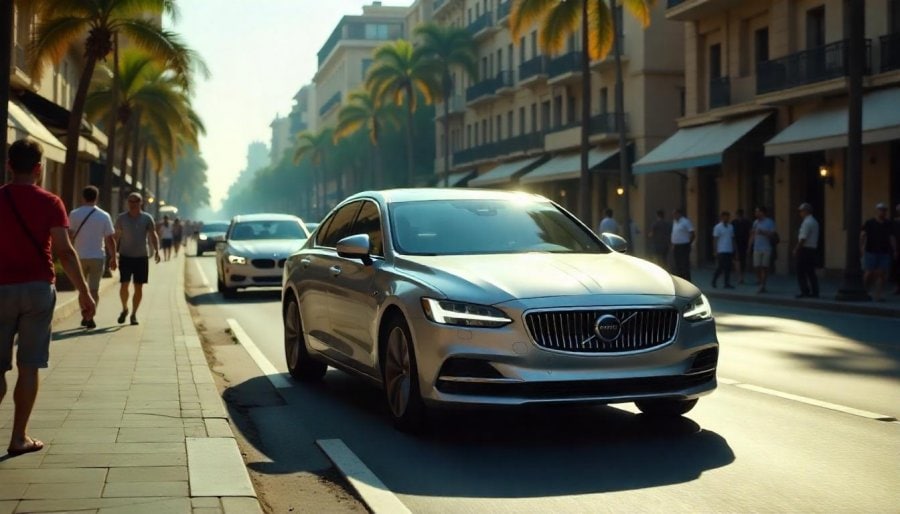
Deep in the shadows of urban nights, underground street racing is more than just a pursuit of speed—it’s a culture forged through brotherhood, loyalty, and rebellion. Modified cars, secret locations, and unspoken codes create a rhythmic dance of engines and adrenaline, binding racers in a kinship that runs far deeper than the thrill of victory. This scene, rooted in decades of defiance and craftsmanship, faces constant evolution amid increased law enforcement scrutiny and technological advancements. Will the spirit of rebellion endure as electric vehicles and digital tools reshape the landscape? As racers adapt through encrypted networks, legal events, and innovative tuning, the core values of trust, respect, and shared risk remain steadfast. Underground racing isn’t merely about cars; it’s about forging lifelong bonds and resisting conformity. How long can this unbreakable brotherhood, fueled by passion and secrecy, continue to thrive in an increasingly monitored world?
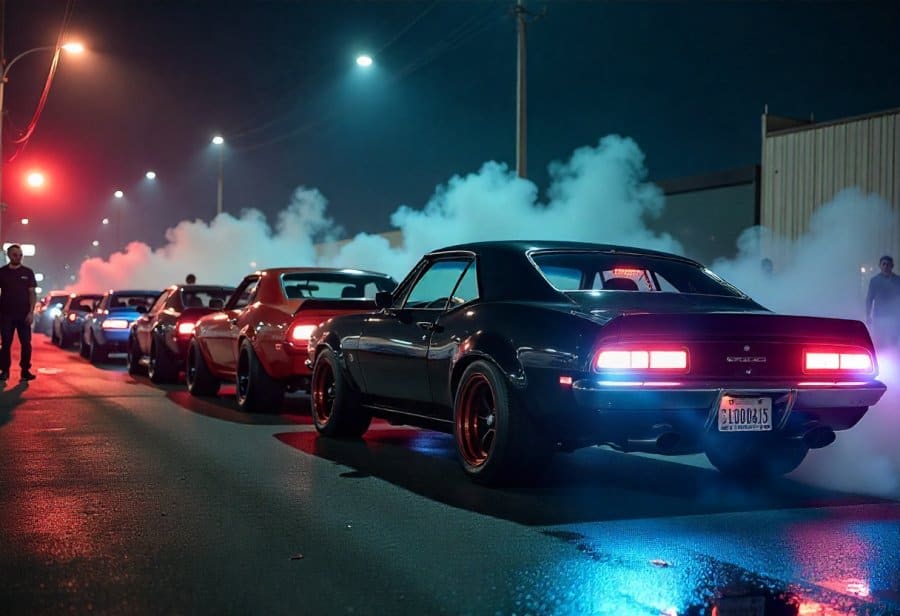
Dive into the Heart of Underground Street Racing: A Nighttime Culture of Speed and Rebellion
Underground street racing isn’t just about hitting top speeds; it’s a raw, living culture that pulses in the shadows of city streets. At night, modified cars gather in secret spots, transforming ordinary roads into makeshift racetracks where engines roar and tires grip asphalt in a relentless, rhythmic dance. This scene draws a diverse mix of enthusiasts united by their shared passion for power, craftsmanship, and the thrill of defying the rules. Each car is a statement—turbochargers, NOS, lowered suspensions—all customized to stand out and outperform.
What makes this world truly compelling is its authenticity. There’s no official track, no referee—just racers, their machines, and an unspoken code of respect. The night adds an element of danger and secrecy, giving racers a chance to escape the watchful eyes of law enforcement while chasing adrenaline. It’s a form of rebellion rooted in the desire for freedom, individual expression, and the pure joy of speed.
The scene’s roots stretch back decades, originating from post-war youth seeking excitement beyond sanctioned circuits. Industrial areas, quiet neighborhoods—these became the battlegrounds for a new kind of racing. Over time, movies, music, and media romanticized this outlaw lifestyle, spreading its influence worldwide. Despite increased legal crackdowns, the underground racing community persists because of its deep sense of brotherhood and shared identity.
Trust is the backbone of this culture. Crews become like families, bonded through late-night tuning sessions, secret locations, and mutual respect. Loyalty runs deep—disloyalty can mean ostracism or loss of reputation. These relationships aren’t built overnight; they’re forged through shared risks, victories, and the understanding that everyone’s safety depends on honesty and discretion.
Even as authorities tighten their grip, the scene adapts. Racers organize through social media, finding new spots and coordinating discreet events. Preference for cars like the Nissan Skyline GT-R or Mitsubishi Lancer Evolution reflects a culture that values innovation and technical mastery. This resilience, combined with digital tools and online networks, keeps underground racing alive and evolving despite the challenges.
Getting involved responsibly means respecting the scene’s unspoken rules. Beginners often learn from veterans, attending legal events or online forums to build trust. It’s about more than fast cars—understanding safety, discretion, and community loyalty is key. This approach preserves the integrity of the scene, ensuring that the brotherhood endures beyond the thrill of the night.
Underground street racing is more than a sport; it’s a way of life rooted in rebellion, camaraderie, and shared passion. The bonds formed in the heat of competition and the shadows of the city streets run deeper than any engine’s roar. This culture’s strength lies in its ability to evolve while holding onto the core values of loyalty, respect, and brotherhood—making it a lasting testament to the human desire for speed and connection.
The Brotherhood and Loyalty that Forge Unbreakable Bonds on the Streets
In underground street racing, the real connection goes beyond the thrill of the race itself. The heart of the scene is the brotherhood formed through shared trust and loyalty. These crews aren’t just groups of racers—they’re families built on a foundation of honesty, respect, and mutual support. Every member depends on each other’s skills and integrity, knowing that their safety and reputation hinge on loyalty. This bond isn’t superficial; it’s forged in late-night tuning sessions, secret race locations, and countless moments of mutual understanding.
Loyalty runs deep in this culture. It’s about more than showing up for a race; it’s about defending each other’s honor and keeping secrets that could threaten the entire scene. Betrayal or disloyalty can mean being cut off or losing respect, so members work tirelessly to maintain trust. This creates a tight-knit community where honesty and integrity are as vital as speed. When you’re part of a crew, you rely on your teammates’ judgment and abilities, knowing they’ve got your back no matter what.
During races, crew members look out for each other’s safety, offering advice and quick signals to navigate danger. They share the adrenaline rush, watching for hazards and stepping in when things go wrong. It’s a collective effort—each person’s contribution matters, and their shared experiences turn rivals into lifelong friends. After the race, crews gather to celebrate their victories and reinforce the bonds that tie them together, strengthening their loyalty through common risks and shared success.
Respect for craftsmanship and style also fuels these relationships. Racers admire each other’s cars, exchange tips, and push one another to improve. Even rival crews maintain a level of mutual respect, as the desire to outdo each other is balanced by a shared understanding of loyalty and honor. These relationships extend beyond the streets, shaping a community rooted in passion, trust, and shared secrets. The bonds formed through these high-stakes moments build a sense of kinship that endures long after the engines have cooled.
The unspoken code of loyalty isn’t just about the races; it’s what keeps the scene alive in the face of increasing law enforcement pressure. Trust ensures that race locations stay secret, modifications remain within the crew, and everyone looks out for each other’s safety. Night racing in particular deepens these bonds, as sharing close calls and victories in the shadows creates lasting connections. These experiences turn fleeting moments into lifelong friendships, built on adrenaline, respect, and a shared love for speed.
In this world, street car culture becomes more than just a hobby—it’s a way of life. The loyalty, trust, and brotherhood forged on the streets create a community that’s stronger than any car modification. These relationships, rooted in shared risks and secrets, are what truly define underground racing. They ensure that the bonds made in the heat of the night continue to grow, night after night, keeping the spirit of loyalty and kinship alive for generations to come.
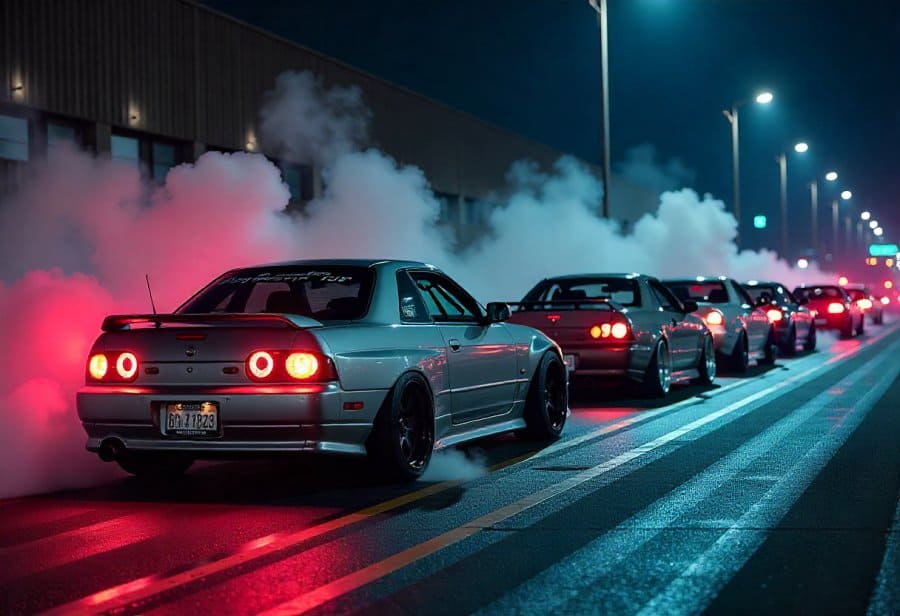
Navigating the Modern Scene: How Street Racing Adapts and Evolves Today
Today, underground street racing remains a dynamic and resilient scene, even as authorities increase their efforts to crack down on illegal activities. Many racers now organize their events through social media platforms and encrypted messaging apps, which makes it easier to find hidden locations and coordinate discreet races. This digital shift allows the community to adapt quickly, constantly seeking out remote or abandoned spots that are harder for law enforcement to monitor, helping to sustain the adrenaline rush despite mounting restrictions.
Popular car models like the Nissan Skyline GT-R, Mitsubishi Lancer Evolution, Subaru WRX, and Honda Civic Si continue to dominate the underground scene. These vehicles are favored for their modifiability and speed potential, often upgraded with turbo kits, NOS, and lightweight parts. Racers develop techniques like high-RPM launches and strategic tire management to gain an edge during races, showcasing a culture that prizes technical skill and innovation. This ongoing pursuit of performance keeps the scene vibrant and competitive.
Beyond late-night races, underground street racing influences broader urban car culture. Enthusiasts spend hours tuning their rides, sharing advice, and participating in meetups that celebrate style and craftsmanship. Many cars are parked outside cafes or at local gatherings, each telling a story of rebellion and mastery. Despite the illegal aspect, an informal network of aftermarket shops and secret meet spots supports this culture’s growth, reinforcing its community roots.
However, the scene faces persistent challenges. Increased police patrols, surveillance cameras, and stricter laws make it harder to find safe, hidden locations. In response, organizers and racers rely more on encrypted online groups to plan clandestine events, preserving their community’s resilience. Some shift their focus toward legal track days and organized racing events, where they can experience the thrill without risking legal trouble, balancing rebellion with responsibility.
Technological advancements also shape how underground racing is organized and experienced. GPS navigation apps, performance tuning software, and online forums enable racers to plan more effectively and optimize their cars. Virtual racing platforms and simulators are gaining popularity as safer alternatives, allowing enthusiasts to hone their skills without physical danger. These innovations keep the culture relevant and adaptable, even as traditional street racing faces increasing hurdles.
Despite these shifts, the core appeal endures: brotherhood, adrenaline, and the drive to push limits. The community’s resilience lies in its ability to evolve technologically while maintaining its unbreakable bonds. New generations integrate modern tech into the longstanding traditions of loyalty, secrecy, and shared passion, ensuring the scene stays alive and compelling. Whether through clandestine meets or legal events, underground racing continues to thrive as a testament to the enduring human spirit of rebellion and connection.
From Knowledge to Action: How to Join and Respect the Underground Racing Culture
Getting involved in underground street racing requires more than just showing up with a fast car. It’s about understanding the unspoken rules that keep the scene functioning and building genuine trust within the community. Newcomers often start by observing seasoned racers, learning how they prepare their vehicles and conduct themselves during races. Asking questions and showing respect opens doors to mentorship and trusted crews, which are essential for mastering the subtle nuances of the culture. Patience and a willingness to learn are key—speed is important, but knowing how to tune your car and read the environment matters just as much.
Joining gradually helps newcomers gain experience and stay safe. Attending local meets or engaging in online forums allows them to connect with veterans who can share advice and insights. Starting with legal events or controlled gatherings is a smart way to practice skills without the risks associated with illegal street racing. Building trust within the community means respecting the unspoken codes—discretion about race locations, secret signals, and respecting teammates’ modifications. These small acts of respect foster a sense of belonging and demonstrate commitment to the brotherhood.
Safety and legality should always be priorities. The risks of fines, license suspensions, or worse are real, and high-speed races on public streets can endanger innocent lives. Experienced racers emphasize that respecting safety protocols and local laws isn’t just about avoiding trouble; it’s about protecting everyone involved. Rushing modifications or reckless behavior can have severe consequences, and learning from those who’ve faced setbacks highlights the importance of patience and precision. Responsible participation shows a commitment to keeping the scene alive and preserving its integrity.
Listening to seasoned racers’ stories offers valuable lessons. They often highlight that experience, proper tuning, and mutual respect outweigh raw speed. One veteran might recall a night where precise preparation and trust in the crew made all the difference, reinforcing that skill and teamwork matter more than individual bravado. These lessons remind newcomers that racing responsibly isn’t just about personal thrill—it’s about safeguarding the brotherhood’s future. Mistakes like rushing modifications or ignoring safety can damage the scene’s reputation and trust.
For those eager to participate responsibly, the best approach is to seek out legal racing events or track days that provide a safe environment for high-speed driving. Developing skills through driver training and understanding vehicle limits can significantly reduce risks. If entering underground scenes, establishing trust and respecting the unspoken codes—such as choosing discreet locations and avoiding reckless behavior—is essential. Using technology like GPS apps and tuning within legal boundaries helps maintain safety and discretion, ensuring that the passion for speed doesn’t come at an unnecessary cost.
Ultimately, the longevity of underground racing depends on balancing passion with responsibility. Respect for the community’s shared values, adherence to safety protocols, and fostering trust within your crew are the foundations of sustainable involvement. The bonds formed through shared risks, late-night tuning, and adrenaline-fueled races are what truly define this brotherhood. By staying true to these principles, new racers help keep the culture alive, ensuring that the unbreakable kinship forged in the heat of the street continues to grow. Responsible racing isn’t just about individual achievement—it’s about strengthening the entire scene for generations to come.
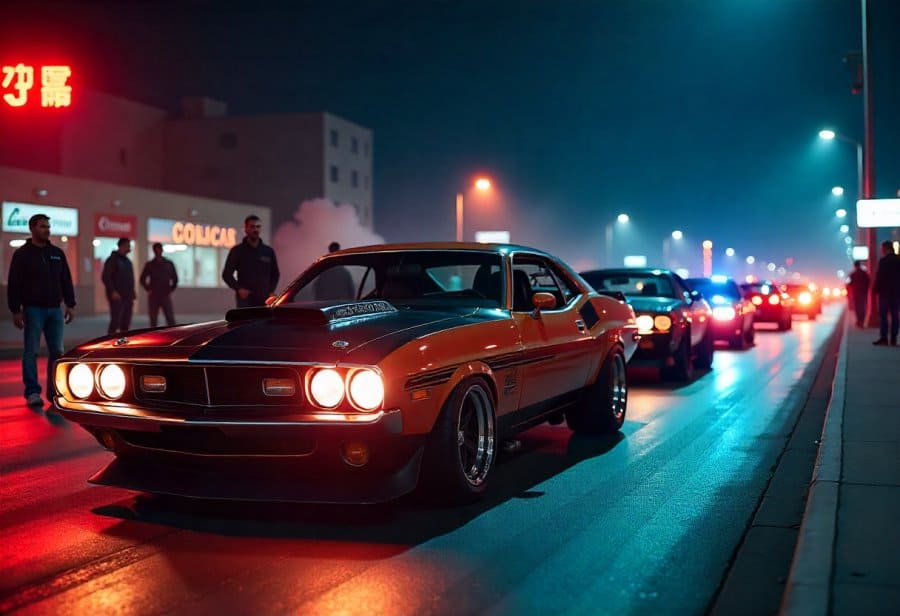
Gazing Forward: Innovations and Shifts Shaping the Future of Street Racing
Looking ahead, underground street racing is poised to evolve alongside technological advances and shifting cultural attitudes. Electric vehicles are beginning to make a subtle but significant impact, offering faster acceleration and quieter operation. This shift could transform how races are organized and perceived, moving away from traditional combustion engines toward cleaner, more discreet powertrains. Digital platforms and social media will remain essential for organizing clandestine events and sharing builds, though increased surveillance may push activities further underground. Virtual and augmented reality technologies could also emerge, providing new ways for enthusiasts to experience racing remotely, blending online interaction with real-world passion.
Despite these changes, the core elements of brotherhood, adrenaline, and the desire to push limits will stay intact. As electric cars become more common, the scene will face new technical challenges and opportunities for innovation. Creativity in modifications and tuning will continue to drive engagement, fostering a new wave of technical mastery. The resilience of the community will be tested, but its spirit of rebellion and camaraderie has always found ways to adapt. Each new generation tends to incorporate modern tech into the longstanding traditions of loyalty and secrecy, keeping the culture vibrant and relevant.
Legal and safety concerns will shape the scene’s future. With authorities increasing efforts to crack down on illegal activities, organizers and racers will need smarter, more discreet ways to connect. Encrypted messaging, private online groups, and secret meetups are likely to become more common, helping to preserve the community’s vitality. Some racers may shift focus toward legal events and organized track days, where high-speed driving can be enjoyed safely and within the law. Balancing rebellion with responsibility will be critical to ensuring underground racing’s longevity.
Advancements in vehicle tuning and performance technology will continue to push boundaries. Digital tools like ECU remapping and performance software enable precise control and optimization, making each ride more powerful and reliable. New materials and lightweight construction techniques will allow racers to craft faster, safer cars, deepening technical knowledge and innovation within the community. This cycle of progress fuels both competition and creativity, helping the scene stay fresh and exciting for newcomers and veterans alike.
Throughout its evolution, the fundamental appeal remains unchanged: the brotherhood forged through shared risks, late-night tuning, and adrenaline-fueled races. These bonds are built on trust and a collective love for speed, enabling the culture to survive external pressures. New generations will continue blending traditional values with emerging technologies, ensuring that the spirit of rebellion and camaraderie endures. Whether through clandestine meets or legal track days, underground racing will persist as a powerful expression of identity—fueling a culture rooted in speed, loyalty, and unbreakable kinship.