Learning to ride a bike is more than just acquiring a new skill; it’s a pivotal moment of courage, family support, and personal growth. But does the thrill of independence outweigh the fear of falling? This journey balances moments of wobbling hesitation with bursts of triumph, highlighting how resilience and trust are built through falls and perseverance. The act of riding symbolizes freedom, self-confidence, and societal progress—evolving from historic symbols of independence to modern tools fostering outdoor activity and environmental awareness. Today’s innovative tools like balance bikes, safety gear, community programs, and digital support make learning more accessible and joyful. Yet, amid these advances, the emotional challenge remains: helping children navigate fears and setbacks while encouraging persistence. Ultimately, this milestone teaches children that with patience, support, and a growth mindset, courage can transcend fear, transforming falls into stepping stones on the path toward lifelong confidence and resilience.
The Journey to Independence: Learning to Ride a Bike as a Milestone of Courage
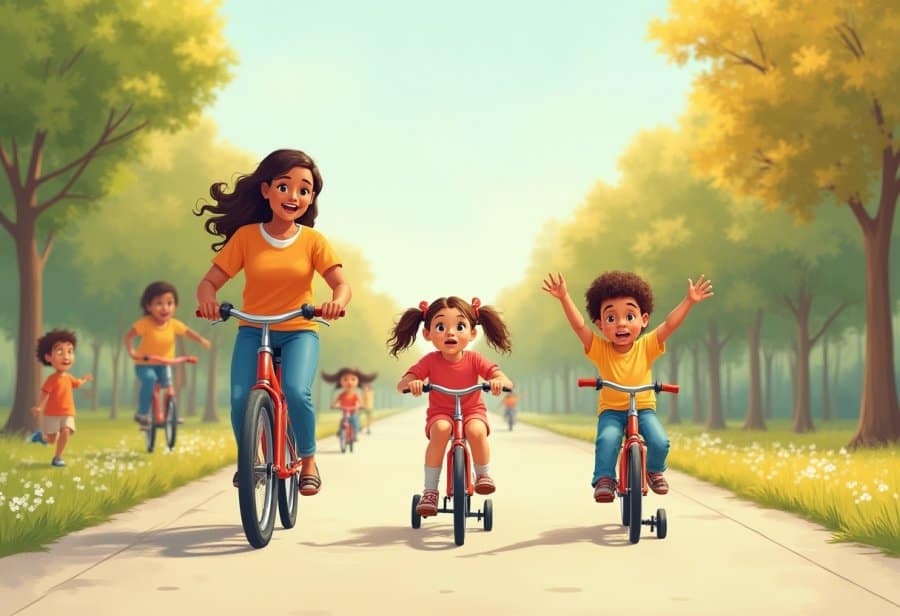
Learning to ride a bike is more than just picking up a new skill; it’s a milestone that marks a child’s journey toward independence and confidence. When kids first climb onto two wheels, they step into a world of possibility, facing the challenge of balancing and coordinating their movements. It’s a moment filled with excitement and a touch of trepidation, but it teaches resilience and trust in their own abilities. For families, this experience becomes a shared adventure—supporting, encouraging, and celebrating each small victory along the way.
This milestone is deeply symbolic. For children, learning to ride can feel like breaking free from limitations, gaining a sense of control and freedom they haven’t experienced before. It’s not just about movement; it’s about pushing past fears of falling and trusting that they can succeed. The wobbling, the falls, and the repeated tries are all part of a process that builds courage. Each pedal stroke and steady breath becomes a small act of bravery, shaping their understanding of what they’re capable of achieving through effort and perseverance.
Beyond individual growth, riding a bike often strengthens family bonds. Watching a child master their first ride, offering gentle guidance, or sharing a triumphant cheer creates memories rooted in support and love. These moments of shared effort help children feel secure, knowing their family is with them every wobble and fall. As they gradually build confidence, these experiences lay a foundation for other challenges in life—showing them that setbacks are just steps toward success.
The act of learning to ride symbolizes more than just a skill — it embodies courage, trust, and the joy of discovery. It’s a moment when children realize that with support and determination, they can conquer fears and embrace new freedoms. For families, it’s a shared chapter of growth, filled with laughter, perseverance, and the simple thrill of riding into the future with confidence.
From Past to Present: The Cultural Roots and Evolution of Teaching Kids to Ride
The story of teaching children to ride bikes stretches back over a century and reflects changing attitudes toward independence and mobility. When bicycles first appeared in the late 1800s, they quickly became symbols of freedom and progress. For many young people, learning to ride wasn’t just about mastering a skill—it was a rite of passage that opened doors to exploration and adventure. Early methods often involved family members or community efforts, with parents holding the bike or guiding children as they learned to balance and pedal. These early experiences laid the groundwork for a universal childhood milestone.
As bicycles gained popularity, cultural perspectives on their significance evolved. In some societies, a child’s first bike ride was a celebrated event, often marked with small ceremonies or shared stories that reinforced independence and self-reliance. For others, cycling was more practical—a necessary skill for daily transportation and errands. Despite these differences, the core idea remained the same: riding a bike represented a step toward greater autonomy, a moment when kids moved beyond being passive observers to active explorers.
Technological innovations have transformed how children learn to ride over time. The advent of balance bikes, which eliminate pedals initially, helps children focus on developing stability and steering skills before tackling pedaling. This approach makes the learning process less intimidating and more enjoyable, fostering confidence early on. It also reflects a broader understanding that building trust in their abilities is crucial to successful riding. Today, community programs, safety gear, and modern teaching tools further support children’s journey toward independence on two wheels.
Cultural attitudes continue to influence how riding is approached across different regions. In many countries, a child’s first bike ride remains a cherished childhood memory, often celebrated with family gatherings and stories. Some cultures emphasize cycling as a symbol of freedom and self-sufficiency, while others integrate it into daily routines for commuting or recreation. These varied perspectives underscore how societal values—such as independence, health, and environmental consciousness—shape the way children are introduced to cycling.
Looking at this history, it’s clear that learning to ride a bike is more than a physical skill; it’s a reflection of societal progress and collective values. Whether celebrated with fanfare or woven into everyday life, this milestone continues to symbolize trust, resilience, and the joy of discovery. It bridges generations and cultures, reminding us that the act of riding is both a personal achievement and a shared cultural experience that evolves with each new era.
Modern Trends and Tools: Navigating Today’s Approach to Learning to Cycle
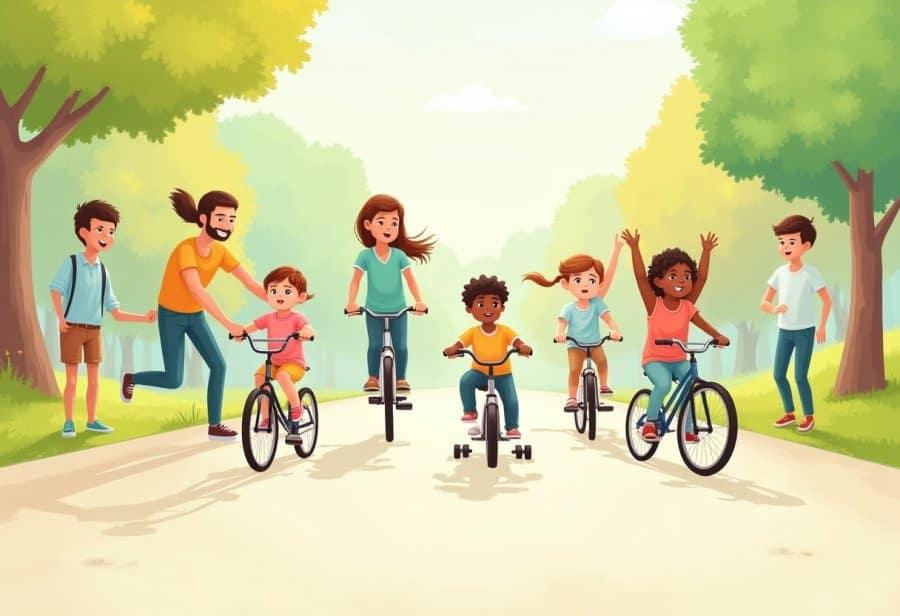
Today, learning to ride a bike is more accessible and engaging than ever before, thanks to a wave of modern tools and changing attitudes. Balance bikes, which remove pedals in the early stages, help children focus on mastering balance and steering without feeling overwhelmed. This approach makes those first steps less intimidating and boosts confidence early on, smoothing the transition to pedal bikes when they’re ready. Alongside these bikes, safety gear like helmets, knee pads, and elbow pads are now standard, fostering a culture that prioritizes protection and encourages kids to ride more confidently.
Supportive environments are also reshaping how children learn to cycle. Community programs, group rides, and family outings create spaces where kids can practice in a fun and social setting. These activities turn cycling from a simple skill into a shared adventure, promoting outdoor play, healthy habits, and environmental awareness. Many parents now see bike riding as a key part of fostering independence and physical well-being, shifting the focus from mere skill acquisition to embracing cycling as a lifelong activity.
Technological innovations are adding new layers of motivation and assistance. Interactive apps, online tutorials, and video coaching turn learning into a game, making practice sessions more engaging. These digital tools provide instant feedback and visualize progress, transforming what might feel like a chore into enjoyable play. Additionally, community initiatives like bike-sharing programs and themed group rides inspire kids to practice outside of formal lessons, making cycling an exciting exploration rather than a chore.
The emphasis on personalized learning continues to grow. Recognizing that each child develops at their own pace, many families tailor their approach—starting with balance bikes for cautious learners or choosing gentle slopes for those needing more encouragement. This individualized support reduces anxiety and creates positive experiences, fostering a resilient attitude toward learning. When children feel understood and supported, they’re more eager to try and persist through challenges.
A broader cultural shift also influences how children learn to ride today. Cycling is increasingly viewed not just as a skill but as a fun, eco-friendly way to get around. Families incorporate bike riding into daily routines, promoting independence and sustainability from a young age. This perspective elevates cycling from a developmental milestone to a symbol of healthy, responsible living, reinforcing its importance across generations.
Safety remains central to modern cycling education. The widespread use of protective gear and safe practice areas helps children feel secure as they experiment and learn. Soft surfaces like grass or dedicated bike paths provide forgiving environments for falls and wobbling, encouraging kids to push their limits without fear. When safety is prioritized, children are more willing to take risks and build confidence in their abilities.
Overall, the landscape of learning to ride has evolved into a more inclusive, supportive, and engaging experience. With better tools, community involvement, and a focus on individual needs, children develop their skills with less pressure and more joy. This evolution not only makes the process more accessible but also instills lifelong habits of confidence, independence, and a love for cycling. As these trends continue, the simple act of learning to ride remains a vital milestone—one that reflects progress, resilience, and the enduring spirit of adventure.
Proven Techniques and Mindsets: Strategies for Confident and Joyful Riding
Helping children learn to ride a bike successfully often comes down to simple yet effective techniques and cultivating the right mindset. Starting with balance bikes is a smart move because they allow kids to focus solely on balancing and steering without the added challenge of pedaling. This approach helps build confidence early on and makes the transition to a pedal bike much smoother. When children feel secure in their ability to balance, they’re more willing to try pedaling and steering without hesitation.
As confidence grows, introducing training wheels can provide extra support while kids learn to pedal and steer. The key is to let them progress at their own pace, celebrating every small achievement along the way. Offering consistent encouragement—whether through praise or enthusiastic cheers—reduces fears and motivates persistence. Reminding children that falling is part of learning makes setbacks feel less intimidating and fosters a growth mindset that values effort over perfection.
Creating a safe environment is crucial for building resilience. Practicing on soft surfaces like grass or in open, gentle spaces minimizes injury risk and allows children to focus on developing their skills without stress. When kids fall, emphasizing that falling is normal and temporary reassures them and helps develop the resilience to try again. This perspective turns failures into opportunities for growth, reinforcing that perseverance is more important than avoiding mistakes.
Family involvement is a powerful driver of progress. Kids tend to learn faster and enjoy the process more when supported and celebrated. Simple acts like steadying the bike during wobbling attempts or cheering their efforts transform frustration into joy. These shared moments of encouragement build trust and help children associate learning with positive feelings, making them eager to practice and improve.
Addressing fears directly can make a significant difference. Many children worry about falling, so starting on balance bikes or in safe, controlled environments helps them overcome anxiety gradually. Reassuring words, proper safety gear, and patience from caregivers foster a sense of security that encourages kids to push their boundaries. When children feel protected and supported, they’re more willing to take risks and learn effectively.
Finally, instilling a growth mindset is essential. When kids understand that effort and persistence matter more than immediate success, they’re more likely to try again after setbacks. Teaching them to see falling or making mistakes as part of the learning process turns challenges into stepping stones. Celebrating their progress, no matter how small, keeps motivation high and transforms learning to ride into a fun, rewarding adventure.
Balancing Fear and Courage: Reflections on Building Resilience Through Cycling
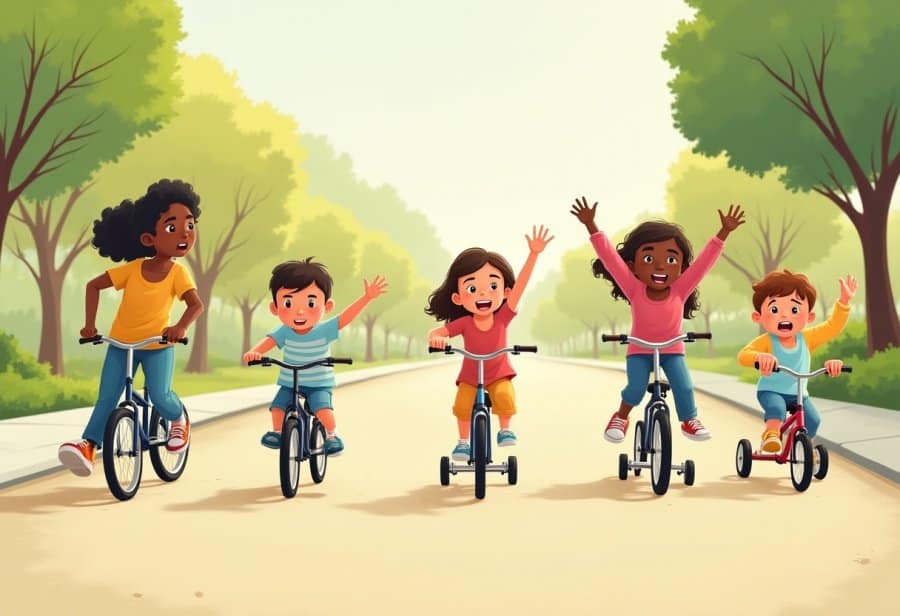
Learning to ride a bike is a delicate balance between courage and fear. For children, the thrill of gaining independence often pushes them forward, but that natural apprehension about falling can hold them back. Finding the right mix means offering enough support to keep them safe while encouraging enough risk-taking to build confidence. When children feel supported, they’re more willing to try, stumble, and try again. Over time, each wobble and fall becomes a stepping stone, transforming fear into resilience and trust in their abilities.
Supporting children through their fears isn’t just about physical reassurance; it’s about helping them see setbacks as natural parts of learning. Emphasizing that falling is expected and temporary reassures kids and helps them understand that mistakes are part of growth. This mindset fosters resilience and teaches that perseverance matters more than perfection. When children learn to view challenges as opportunities, they develop a stronger sense of self-efficacy that extends far beyond the bike.
Parents and caregivers play a vital role in shaping this delicate balance. Patience, steady encouragement, and celebrating small wins boost a child’s confidence and motivate continued effort. When kids see that their efforts are appreciated and that setbacks are normal, they’re more likely to embrace the process rather than fear it. These shared moments of effort and success lay the foundation for a lifelong love of cycling and other challenges, reinforcing that persistence pays off.
Respecting each child’s unique pace is essential. Some children need more time to overcome their fears, while others are eager to move quickly. Tailoring support—whether starting on gentle slopes or using balance bikes—reduces anxiety and ensures positive experiences. When kids feel understood and their feelings validated, they’re more eager to explore and learn, turning the journey into an adventure rather than a task.
In the end, the art of balancing courage and fear shapes more than just a child’s ability to ride a bike; it builds resilience, confidence, and a growth mindset that benefits all areas of life. When adults foster this balance with patience and understanding, they turn a challenging milestone into a moment of empowerment. Children discover that falling isn’t failure—it’s part of the process, leading them to embrace new challenges with excitement and trust in themselves.