Learning to drive is a pivotal milestone that symbolizes independence yet often comes with intense nerves and emotional turmoil. Teens face a rollercoaster of feelings—excitement mingled with anxiety, pride shadowed by self-doubt—that can hinder their confidence behind the wheel. Do these internal struggles truly fade as they gain experience, or do they evolve into a lifelong journey of resilience? This guide explores how overcoming fears through gradual practice, positive reinforcement, and managing emotional reactions transforms initial apprehension into steady self-assurance. It highlights practical strategies like starting in calm environments, setting achievable goals, and celebrating small successes that build trust and competence over time. As teens navigate the complexities of driving—nighttime, busy roads, adverse weather—they develop not just driving skills but vital qualities of patience, persistence, and self-awareness. The road to confident independence is ongoing; are they prepared to face new challenges with resilience and growth?

Embark on the Emotional Journey of Learning to Drive
Learning to drive is a milestone that many teens eagerly anticipate, yet it often comes with a mix of excitement and nerves. It symbolizes newfound independence, a step closer to adulthood, and a sense of freedom that’s hard to match. But behind the scenes, the experience can be quite overwhelming—sweaty palms gripping the steering wheel, racing thoughts about making mistakes, and a growing awareness of the responsibility that comes with each trip. It’s a moment filled with hope, but also uncertainty.
This emotional rollercoaster is a natural part of the learning process. Teens aren’t just acquiring technical skills like steering and braking—they’re also navigating a maze of feelings. Confidence builds slowly through small wins, like mastering parking or making a smooth turn. Each of these successes reassures them that they’re capable, while setbacks can temporarily shake their self-trust. Recognizing this emotional journey helps both teens and their families approach driving lessons with patience and understanding.
The road to confident driving isn’t just paved with practice; it’s also lined with internal fears—fear of errors, losing control, or injuring someone. These worries often stem from inexperience and the weight of potential consequences. Physical reactions like a pounding heart or sweaty palms are normal, yet they can add to a teen’s frustration if they interpret these signs as incompetence. Normalizing these feelings as part of the process helps teens see nerves not as failure but as a sign they’re pushing their boundaries.
Building confidence involves facing these emotions gradually. Starting in quiet neighborhoods or empty parking lots allows teens to get comfortable behind the wheel without the added pressure of traffic. As they gain experience, they learn that mistakes are inevitable and part of learning. This mindset—accepting nerves as normal—encourages resilience and patience, vital qualities for turning initial fears into steady confidence.
Support from parents, instructors, and peers plays a crucial role. Encouragement and positive reinforcement can make a difference when nerves threaten to overwhelm. When teens see their progress and celebrate small milestones, like a confident lane change or a smooth stop, they begin to trust their abilities more. Over time, these small wins accumulate, transforming nervous energy into a sense of mastery and independence.
Understanding the emotional landscape of learning to drive isn’t just about easing nerves; it’s about fostering resilience and self-awareness. Recognizing that feeling vulnerable is part of growth helps teens approach driving—and life—with patience and compassion. As they navigate their fears and challenges, they develop a deeper sense of trust in themselves, laying the foundation for confident, responsible driving that extends beyond the road.
Navigating the Heartfelt Landscape of Teenage Driving
Learning to drive isn’t just a matter of mastering steering and braking; it’s deeply intertwined with how teens feel emotionally about the process. Many teenagers experience a whirlwind of emotions—excitement mixed with anxiety, pride alongside self-doubt—that can turn the journey into a rollercoaster. These feelings influence not only their confidence but also their persistence behind the wheel, shaping how they approach each new challenge.
Fear of making mistakes often dominates their thoughts, creating a mental barrier that’s hard to break through. Worrying about forgetting to check blind spots, misjudging distances, or stalling in traffic can cause significant stress. These fears, rooted in inexperience and the weight of potential consequences, can make even simple maneuvers feel daunting. The physical signs of anxiety—heart pounding, sweaty palms—are normal, but they can also undermine a teen’s belief in their abilities if they interpret these signs as failures.
This emotional landscape can feel overwhelming, but understanding that these reactions are a natural part of learning helps normalize the experience. When teens recognize that nerves and physical symptoms are common, they’re less likely to see them as personal shortcomings. Instead, they can view these feelings as signs they’re pushing their boundaries and growing. Building resilience involves accepting the discomfort and gradually facing more complex driving situations with patience and a growth mindset.
Self-doubt often emerges in moments of uncertainty, making teens question whether they’re truly capable. Yet, small successes—like executing a smooth turn or parking confidently—serve as powerful proof that progress is happening. Celebrating these milestones reinforces their belief in themselves and encourages persistence. Over time, these positive experiences chip away at anxiety, replacing it with a sense of achievement and readiness to take on more.
Support from parents, instructors, and peers plays a vital role in navigating this emotional terrain. Encouragement and constructive feedback help normalize setbacks, reinforcing that mistakes are part of the learning process. When teens feel supported and understood, they’re more likely to confront their fears head-on rather than retreat from them. This emotional reassurance fosters resilience, making the road to confidence less intimidating.
Recognizing and managing these feelings are essential steps toward transforming nerves into confidence. When teens learn to accept their emotional reactions and see them as normal, they become more resilient and self-aware. This emotional growth doesn’t just make them better drivers; it builds character—teaching patience, perseverance, and self-trust that extend well beyond the driver’s seat.
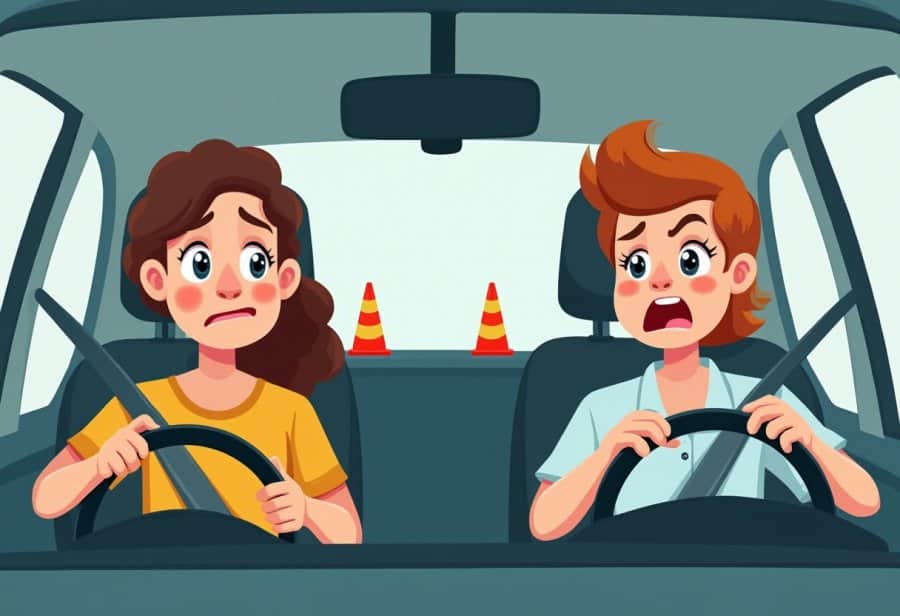
From Nervous Beginnings to Confident Independence
The transition from nervous beginner to confident driver unfolds gradually, with each small step reinforcing a teen’s belief in their abilities. As they practice regularly and confront different driving scenarios, they start to trust their judgment and skills more deeply. Every successful maneuver, whether it’s making a smooth turn, parking confidently, or merging onto a highway, acts as a tangible sign of progress. These moments become milestones that not only boost confidence but also create a sense of mastery, encouraging teens to keep pushing forward.
Encouragement from parents, positive feedback from instructors, and perseverance are essential in this process. When teens receive genuine praise and see clear evidence of their improvement, they naturally begin to see themselves as capable drivers. Celebrating small victories, like navigating a tricky intersection or mastering parallel parking, makes the learning journey rewarding and helps foster a growth mindset. Instead of fearing mistakes, teens start viewing them as opportunities to learn and grow, transforming setbacks into stepping stones.
Setting manageable, specific goals for each practice session helps maintain motivation and focus. Rather than trying to conquer everything at once, teens can concentrate on mastering one skill—like executing a perfect lane change or practicing smooth braking—that builds confidence step by step. Achieving these goals offers a sense of accomplishment that fuels their desire to tackle more complex challenges, making the road to independence feel less daunting.
The attitude teens adopt toward mistakes greatly influences their confidence. Seeing errors as natural parts of learning helps them stay resilient and motivated. Recognizing that even experienced drivers make mistakes normalizes the process and prevents discouragement. When they understand that confidence isn’t about perfection but about persistence, they’re more likely to face challenges with patience and a positive outlook.
Practicing in low-pressure environments, such as quiet neighborhoods or empty parking lots, allows teens to develop foundational skills without feeling overwhelmed. As they grow more comfortable, they can gradually move on to busier roads or unfamiliar areas. This approach not only broadens their skill set but also reinforces their belief that they can handle increasingly complex situations. Each successful drive in new settings deepens their trust in their capabilities and accelerates their journey toward independence.
Ownership of the learning process boosts confidence further. When teens set their own goals and track progress, they feel more motivated and responsible for their growth. This sense of control makes driving a more personal achievement, rather than just a task to complete. The more they practice intentionally, the more natural confident driving becomes, transforming nerves into a steady sense of mastery.
As experience accumulates, teens become more willing to take on new challenges—night driving, navigating unfamiliar routes, or handling adverse weather. These experiences further solidify their independence and reinforce their confidence. Each successful outing proves they can handle more, gradually replacing initial nerves with a resilient belief in their abilities. This ongoing growth, rooted in patience and perseverance, sets the stage for responsible, confident driving well beyond the early learning phase.
Practical Strategies to Accelerate Confidence Behind the Wheel
Practicing in low-pressure environments is one of the most effective ways for teens to build confidence behind the wheel. Starting out in quiet neighborhoods or empty parking lots allows them to focus on fundamental skills like steering, braking, and parking without the added stress of traffic. These settings give teens room to make mistakes and learn from them safely, which makes each session feel less intimidating and more manageable. Building a solid foundation in these calm environments helps set the stage for tackling more complex driving challenges later on.
Enrolling in a reputable driving course can also make a significant difference. Professional instructors provide structured lessons that cover essential skills and safety tips, helping teens develop good habits from the start. Knowing they’re guided by someone with expertise can ease anxiety and boost confidence. Plus, these lessons often include personalized feedback, highlighting areas of improvement and reinforcing progress, which helps turn uncertainty into a sense of mastery.
Setting clear, achievable goals for each practice session keeps teens motivated and focused. Instead of trying to master everything at once, they can concentrate on specific skills—like executing a smooth lane change or parking confidently. Achieving these small milestones creates a sense of accomplishment that fuels their belief in their abilities. Tracking progress through checklists or journals makes it easier to see improvements over time, encouraging a steady, confident approach.
Patience is key throughout this process. Teens often feel eager to get behind the wheel and may want to rush through practice sessions. Rushing can lead to mistakes and frustration, which can undermine confidence. By encouraging a slow and steady pace, teens can master each skill thoroughly before moving on to the next challenge. This approach reduces anxiety and makes learning more enjoyable, helping them develop a resilient mindset that values progress over perfection.
Using online resources and checklists offers valuable support outside of actual driving sessions. Visual tutorials, videos, and step-by-step guides clarify tricky maneuvers like parallel parking or highway merging. These tools prepare teens outside the car, making them more confident and less anxious when they’re on the road. Celebrating small wins—such as confidently navigating a difficult intersection—reinforces their progress and motivates continued effort. Consistent practice combined with these resources creates a more confident, competent driver.
Ownership of the learning journey also boosts confidence. When teens set their own goals and actively track their progress, they feel more responsible and motivated. This sense of control makes driving more meaningful, turning it into a personal achievement rather than just a task to complete. As they practice intentionally and see their skills grow, confident driving becomes more natural and automatic, transforming nerves into steady self-assurance that lasts beyond the early learning phase.
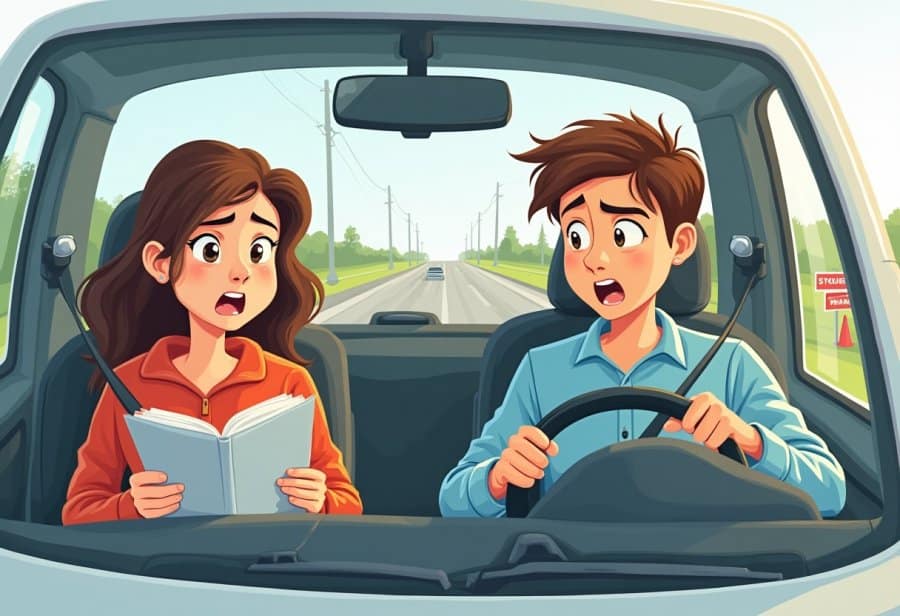
Celebrating Growth and Looking Ahead to Future Freedom
As teens gain more driving experience, their confidence continues to grow and evolve beyond the initial learning stages. The foundational skills they develop early on serve as stepping stones for tackling more challenging situations, like night driving, highway travel, or navigating unfamiliar areas. While these new scenarios may seem intimidating at first, each successful outing reinforces their trust in their abilities, gradually transforming nerves into steady confidence. This ongoing process of learning and adaptation helps teens see themselves as capable, independent drivers who can handle diverse road conditions with resilience.
The journey toward confident driving doesn’t end once they pass their license or complete their first few trips. Instead, it’s a continuous path of growth, where practice and experience deepen their skills and reinforce good habits. Consistent effort, even after gaining independence, keeps their confidence sharp and prepares them for future challenges. As they venture into more complex environments—such as nighttime or adverse weather—they learn to stay calm and make sound decisions, further solidifying their self-trust behind the wheel.
Supporting teens in gradually expanding their driving horizons is essential. Parents and mentors can help by setting small, manageable goals, like short evening drives or navigating new routes. These experiences build familiarity and reduce anxiety, reinforcing that they can manage more than they initially believed. Each successful challenge adds to their sense of independence, fostering a mindset that embraces learning from mistakes rather than fearing them. Over time, these moments cultivate a resilient attitude that empowers teens to face whatever the road throws their way.
Resilience is key to long-term confidence. Not every drive will go perfectly, and setbacks are inevitable. When teens encounter difficult situations—like heavy traffic or poor weather—they learn to stay composed, problem-solve, and adapt. These experiences teach patience and self-control, qualities that extend beyond driving into everyday life. Reflecting on their progress, teens realize that confidence is built through persistence, not perfection, and that every challenge is an opportunity to grow stronger.
Looking ahead, the importance of ongoing learning becomes even clearer. As teenagers mature, they’ll face increasingly complex driving environments, and their ability to stay calm and confident will be tested. Continued practice, coupled with a positive attitude toward learning from mistakes, ensures they develop into responsible, self-assured drivers for years to come. Each mile driven reinforces their independence, shaping not just their driving skills but their character—fostering resilience, patience, and self-awareness that extend well beyond the road.