Learning to swim at any age has the power to transform fear into freedom, unlocking confidence and safety in the water. But what if the greatest obstacle isn’t skill but the courage to take that first plunge? This inspiring journey emphasizes that water confidence isn’t reserved for children—adults and seniors can also discover joy and empowerment through patience, support, and modern techniques. From shifting mindsets to embracing innovative tools like video analysis and virtual reality, today’s swim programs are more accessible than ever. As water fears diminish, new possibilities open, including recreational, safety, and therapeutic benefits that enhance overall well-being. With personalized instruction and community support, the future of water learning promises a world where everyone, regardless of age or background, can conquer their fears and enjoy water’s endless potential for growth, adventure, and renewal. Are you ready to take the plunge and find your own water confidence?
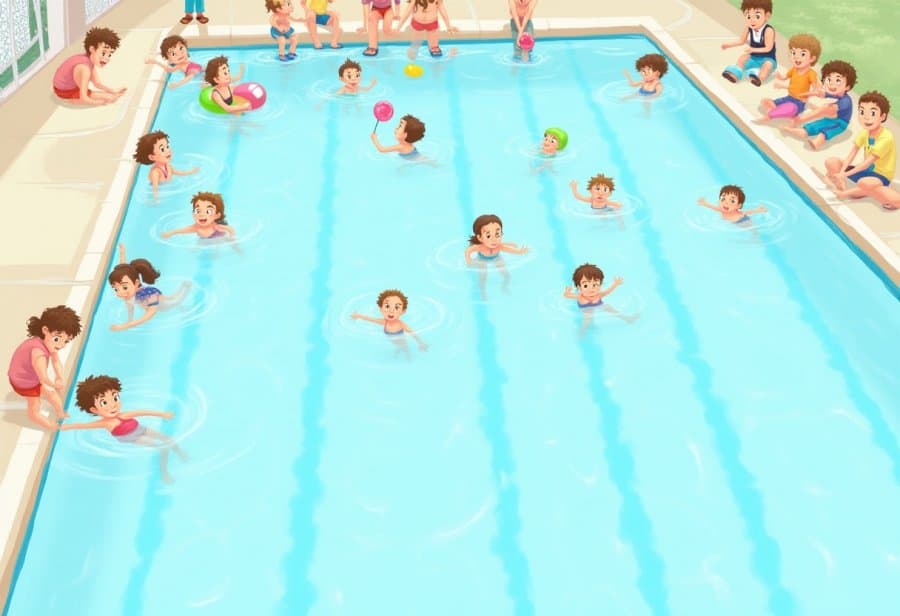
Transform fears into confidence: Your journey to learning to swim
Learning to swim is more than just picking up a new skill; it’s a journey that turns water from a source of fear into a space of confidence and freedom. For many, anxiety around water stems from childhood experiences or simply not having had the chance to learn earlier in life. Taking that first step into the water can seem daunting, but it’s often the most important move toward overcoming those fears and discovering what you’re truly capable of.
This process isn’t reserved for children. Adults and seniors alike find that with patience and support, they can develop water confidence at any stage. The initial challenge is often mental—reframing water from a threat to a safe environment for exploration. Starting small, like getting comfortable in shallow water, practicing breathing, and relaxing their muscles, helps build a solid foundation. Celebrating small victories, such as floating or gliding even a short distance, reinforces belief in oneself and keeps motivation steady.
Supportive instructors and calm environments play a crucial role in this transformation. They foster a sense of safety, encouraging learners to progress at their own pace without pressure. Overcoming fears requires patience; setbacks are normal, but persistence pays off. Each new skill, no matter how minor, boosts resilience and trust in your abilities, gradually dissolving mental barriers that once seemed insurmountable.
The water confidence journey is deeply personal and unique to each individual. Many find that shifting their mindset from fear to curiosity opens doors to new experiences and personal growth. Stories of those who started later in life—whether learning to float, breathe calmly, or swim short distances—show that progress is possible at any age. Every milestone, big or small, adds to a sense of achievement and independence, transforming the water from a scary obstacle into a space of fun and empowerment.
At its core, learning to swim is about empowerment. It’s about stepping into the water with curiosity rather than fear, trusting your body and mind to guide you. As you gain confidence, water becomes less of a threat and more of a place for wellness, adventure, and joy. The journey may begin with hesitation, but it often leads to a lifelong transformation—one that enhances safety, enriches your sense of freedom, and opens up new possibilities for enjoyment and personal growth.
Achieving water confidence: The stages and inspiring stories
Achieving water confidence isn’t a one-size-fits-all journey; it unfolds uniquely for each person, but certain stages are common along the way. Most beginners start by getting comfortable in shallow water, where they learn to breathe calmly and relax their muscles. These early steps are vital, as they help build trust in the water and reduce anxiety. As confidence grows, many progress to floating, gentle splashes, and simple movements, gradually expanding their comfort zone. Progress might feel slow or uneven, but celebrating small wins—like floating unaided or swimming a few meters—keeps motivation high and reinforces belief in oneself.
The mental aspect of overcoming water fears is just as crucial as the physical skills. Shifting the mindset from viewing water as a threat to seeing it as a safe space for exploration can be transformative. Supportive instructors and encouraging environments play a pivotal role in this process. For many adults who carry lingering childhood fears or negative past experiences, gentle reassurance and patience help break down mental barriers. Learning to breathe steadily and focus on controlled movements helps demystify water, turning anxiety into calm confidence.
Personal stories highlight how powerful this transformation can be. Jane, in her sixties, finally decided to face her fear after decades of avoidance. With patience and guidance, she moved from hesitant splashes to swimming across the shallow end, feeling a pride she hadn’t experienced before. Mark’s journey mirrors this—traumatized as a child, he worked through his fears through small, consistent steps, eventually swimming confidently in open water. These stories show that with time and effort, anyone can turn water from a source of dread into a space of freedom and joy.
The process of building water confidence often involves mastering breathing and relaxation techniques. When you focus on steady breaths and smooth, controlled movements, panic diminishes and trust in your abilities increases. Support from instructors, combined with a calm environment and the right equipment, creates a foundation where progress is natural and safe. Each successful step reinforces resilience, encouraging learners to push just a little further, knowing they are capable of more than they imagined.
Age doesn’t matter—water confidence can be achieved at any stage of life. Whether you’re in your twenties or sixties, the journey starts with small, consistent efforts and a mindset open to growth. Every new skill, no matter how minor, strengthens your trust in your abilities and diminishes fear. Over time, what once seemed intimidating becomes familiar, and the water becomes a space for fun, fitness, and adventure. The key is patience and persistence, allowing progress to unfold naturally.
Ultimately, the water confidence journey is about reclaiming your relationship with water. It’s about transforming fear into curiosity and empowerment. Each milestone, big or small, builds resilience and opens new possibilities—whether that’s enjoying a peaceful swim, engaging in water sports, or feeling safe around lakes and pools. This journey isn’t just about learning to swim; it’s about discovering your strength, embracing new experiences, and unlocking a lifelong love for water.
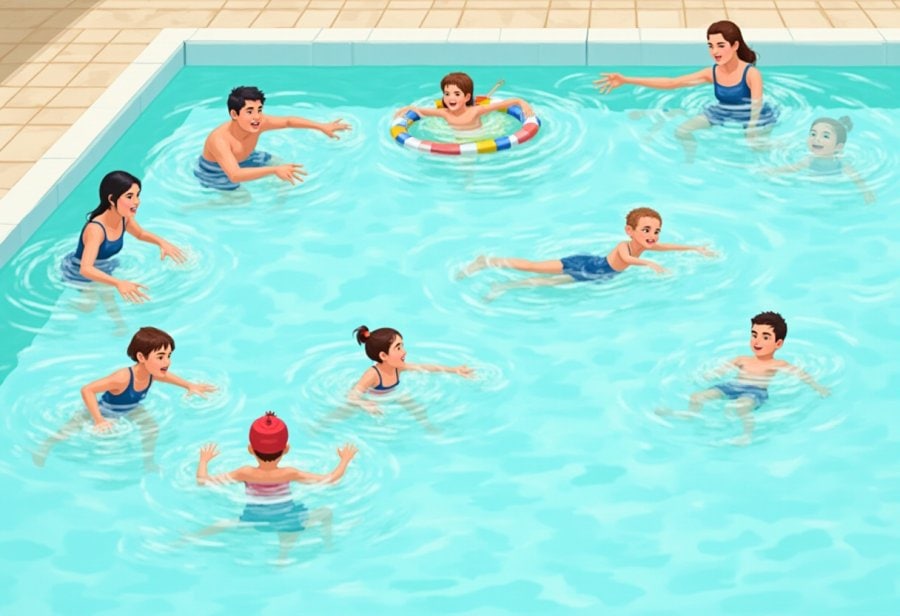
Modern methods and innovations shaping today’s swim lessons
Today’s approach to learning to swim seamlessly blends proven techniques with innovative tools designed to make the process more accessible and enjoyable. Modern instructors focus on creating a supportive environment where learners feel encouraged to progress at their own pace, reducing the anxiety often associated with water. Emphasizing patience and celebrating small victories, these lessons aim to build confidence from the very first splash, helping students see water as a space for growth rather than fear.
Technology has become a game-changer in swim instruction. Underwater cameras and video analysis tools allow learners to see their strokes and breathing in real-time, providing immediate feedback that accelerates improvement. This visual insight helps identify and correct errors that might otherwise go unnoticed, making learning more efficient. For adults overcoming swimming anxiety, these tools demystify techniques and boost motivation by making progress tangible and clear.
A key trend today is integrating water safety into every lesson, rather than treating it as an afterthought. Beginners are taught essential skills like floating, rescue techniques, and pool rules from the outset. This approach fosters a safety-first mindset, helping learners view safety as an integral part of their water journey. It reassures them that enjoyment and security go hand in hand, encouraging a more responsible attitude toward water.
Community programs and online resources are expanding access to swim lessons beyond traditional pools. Local organizations, nonprofits, and YMCA classes now offer beginner-friendly options tailored to diverse needs and ages. Meanwhile, virtual tutorials, interactive apps, and digital coaching provide flexible, on-demand support, making learning to swim more inclusive and adaptable. These innovations help reach those who might hesitate to take traditional lessons or who lack nearby facilities.
Recognizing that everyone learns differently, instructors now customize lessons to match individual goals and fears. Whether someone is overcoming childhood trauma or simply refining their technique, personalized plans make the journey less overwhelming. This tailored approach keeps motivation high and ensures progress feels achievable, turning a potentially intimidating experience into a positive, empowering one.
Safety remains at the core of modern swim education. From teaching rescue techniques to promoting pool rules and supervision, lessons emphasize creating a secure environment. Supportive equipment like floaties and kickboards are used strategically to develop independence at a comfortable pace. As teaching methods evolve, learners gain not only skills but also confidence and peace of mind, knowing they can enjoy water safely and responsibly.
Practical benefits of learning to swim: Safety, recreation, and lifelong wellness
Learning to swim unlocks a wide range of practical benefits that extend far beyond the pool. Being comfortable in water means you’re better equipped to handle everyday situations, such as crossing shallow streams or helping someone in trouble near water. These skills turn potential hazards into moments of calm and confidence, making water safety a natural part of daily life. Plus, swimming opens doors to countless recreational activities like kayaking, paddleboarding, or enjoying a beach day, transforming water from a source of fear into a space for fun and relaxation.
Beyond recreation, swimming skills are vital for personal safety. Knowing how to swim can be the difference between panic and control if you unexpectedly fall into water. This confidence provides peace of mind for parents, caregivers, and anyone who spends time near lakes, pools, or oceans. It also prepares you to respond effectively in emergencies, potentially saving lives. Many communities now emphasize water confidence as a key safety skill, recognizing that being able to swim isn’t just about enjoyment—it’s about being prepared for real-world situations.
Swimming is also the foundation of many sports and fitness routines. Whether you’re into competitive swimming, water polo, or triathlons, having strong water skills allows you to participate safely and confidently. Even if competitive sports aren’t your focus, swimming offers a low-impact workout that boosts strength, flexibility, and cardiovascular health. Being water confident means you can dive into new activities without hesitation, making fitness and recreation more accessible at any age and supporting your overall well-being.
For many who learn to swim later in life, the benefits go beyond physical health. Gaining water confidence fosters independence and a sense of adventure, enabling exploration of lakes, rivers, and open water. These experiences often lead to new hobbies, memorable trips, and social connections that enrich life. It’s never too late to discover the joy of water and the freedom it offers, turning water from a source of anxiety into a lifelong source of empowerment and enjoyment.
Water confidence also has therapeutic value. The calming nature of water helps reduce stress, improve mood, and promote mental clarity. Once you’ve mastered basic skills, you might find yourself more inclined to incorporate water-based exercises into your self-care routine. This ongoing practice supports emotional resilience and physical health, transforming swimming from a skill into a tool for lifelong wellness. The ability to enjoy water safely and confidently can truly reshape how you connect with water—and with yourself.
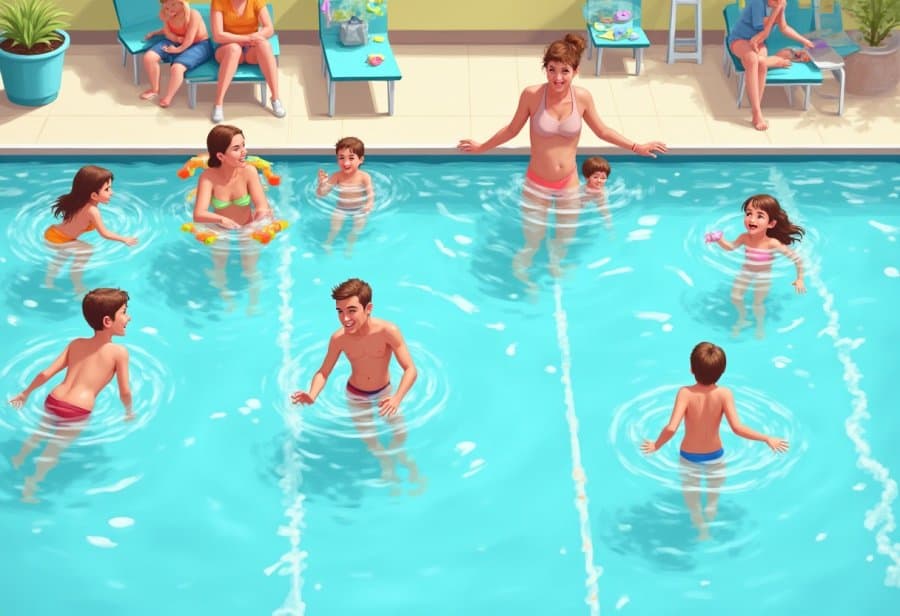
Future trends in swim education: Embracing technology and safety for all
The future of learning to swim is being shaped by a wave of innovative technologies and evolving teaching methods that promise to make water confidence more accessible than ever before. Virtual reality, for example, is beginning to offer immersive, simulated environments where learners can practice techniques and build familiarity with water in a safe, controlled setting. This approach helps reduce anxiety by allowing individuals to visualize movements and correct errors before they step into the pool, easing the mental barrier that often accompanies water fears.
Alongside VR, underwater video analysis is transforming how learners understand their strokes and breathing patterns. Real-time visual feedback helps identify mistakes instantly, making corrections more intuitive and faster. For adults overcoming swimming anxiety, such tools demystify the learning process and boost motivation by providing clear progress markers. As these technologies become more affordable and widespread, they extend high-quality swim instruction beyond traditional settings, reaching communities and individuals who previously faced barriers to learning.
Water safety education remains a cornerstone of modern swim programs, increasingly integrated into every lesson. Emphasizing not only swimming skills but also risk awareness and rescue techniques, these lessons foster a safety-first mindset. Teaching people how to respond in emergencies, recognize hazards, and practice responsible water behavior helps build confidence along with competence. This comprehensive approach ensures that enjoyment in water is paired with a sense of responsibility, making swimming a safe and empowering activity.
Community initiatives and digital platforms are expanding access to beginner-friendly swim lessons. Local pools, nonprofits, and YMCA programs now offer tailored classes for different age groups and comfort levels. Meanwhile, online tutorials, interactive apps, and virtual coaching provide flexible, on-demand options, making water confidence training more inclusive. These tools help bridge gaps for those who hesitate to join traditional classes or lack nearby facilities, broadening the reach of swim education.
Personalized instruction is gaining prominence as well, recognizing that each learner’s fears, goals, and learning styles are unique. Adaptive programs that tailor lessons to individual needs help reduce overwhelm and foster a positive experience. Whether someone is overcoming childhood trauma or simply refining their technique, customized guidance makes progress feel attainable and keeps motivation high. This shift toward more personalized learning supports a more inclusive, encouraging environment for every swimmer.
As technology and safety practices continue to evolve, so does the emphasis on lifelong water confidence. The goal is to create a culture where everyone views water skills as essential for safety and enjoyment, not just as a childhood milestone. Ongoing education, accessible tools, and community support will ensure that more people feel empowered to face water with confidence and curiosity, regardless of age or background.
Looking ahead, making water confidence universal involves breaking down remaining barriers—economic, psychological, or geographic. The innovations emerging today will help democratize swim instruction, making it more engaging, effective, and inclusive. This ongoing progress promises a future where safe, joyful, and empowering water experiences are within everyone’s reach, transforming fear into freedom and opening new horizons for personal growth and adventure.