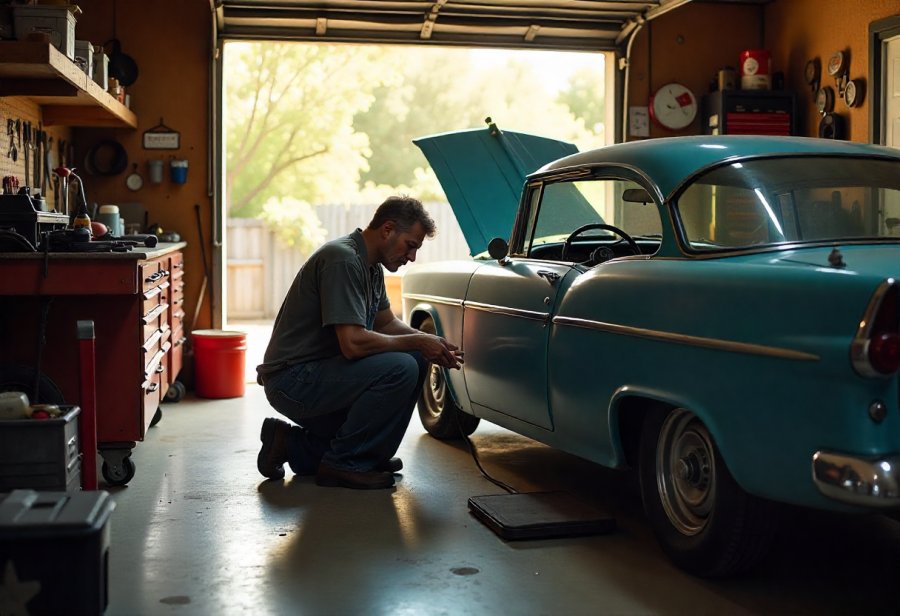
Step into the adrenaline-fueled world of the Dodge Charger, a symbol of raw American muscle and rebellious spirit that has captivated car enthusiasts for decades. From its bold, aggressive design and thunderous engines to its legendary appearances in movies like ‘Fast & Furious,’ the Charger embodies power, freedom, and defiance. Its storied history, from the iconic 1969 R/T to modern high-performance models like the SRT Hellcat, reflects a relentless pursuit of speed and attitude. Today’s Chargers balance primal performance with cutting-edge technology, maintaining their relevance in a rapidly evolving automotive landscape. Yet, as electrification looms, the question remains: can the Charger’s primal roar survive in a future of sustainable performance? With its enduring legacy rooted in rebellion and resilience, the Charger continues to ignite primal instincts—an unyielding symbol of American ingenuity and the relentless drive to own the road.
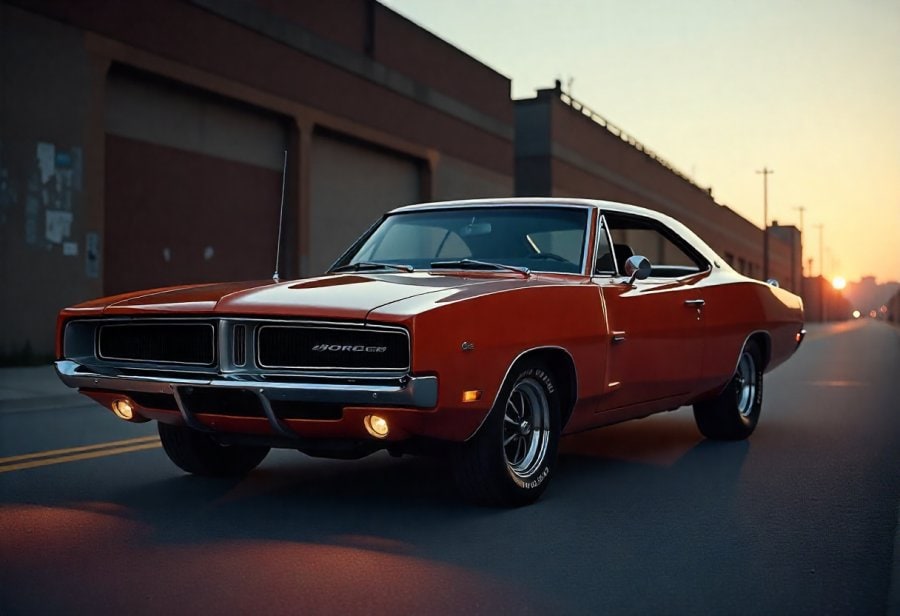
Dodge Charger: A Symbol of American Muscle and Rebellion
The Dodge Charger isn’t just a car; it’s a bold statement of American muscle and rebellious spirit that has defined performance and attitude for decades. From its debut in the late 1960s, the Charger has stood out with its sleek, aggressive design and commanding presence. Its wide stance, muscular lines, and distinctive styling cues instantly communicate strength and confidence, even before it hits the road. More than just a machine, it’s a symbol of freedom, defiance, and unfiltered power that resonates deeply in car culture and popular media alike.
What truly sets the Charger apart is its ability to embody the core values of American muscle cars—speed, performance, and attitude—while continually evolving to stay relevant. Its thunderous engine roar, whether from a classic V8 or a modern supercharged powertrain, sparks primal instincts and commands respect. This visceral connection to raw power is why the Charger remains a favorite among enthusiasts, street racers, and collectors who see it as more than just transportation—it’s a declaration of independence and strength.
Throughout its history, the Charger has become ingrained in American automotive identity. Its iconic design elements, like the split grille, hidden headlights, and broad profile, have helped it carve out a unique niche in muscle car lore. Movies, TV shows, and street racing scenes have all contributed to its reputation as a symbol of rebellion and unyielding performance. These cultural moments elevate the Charger beyond a mere vehicle, turning it into an enduring icon that celebrates the primal instincts of speed and freedom.
Today’s Dodge Charger continues that legacy by balancing tradition with innovation. Modern models maintain the aggressive stance and muscular aesthetics that made the original famous, while incorporating advanced technology and modern comforts. Whether it’s a high-performance SRT Hellcat or a more accessible trim, each version pays homage to its rebellious roots. The Charger’s ongoing appeal lies in its ability to evoke primal road power while offering drivers a vehicle equipped for contemporary life.
In essence, the Dodge Charger is more than just a muscle car; it embodies the spirit of American resilience, ingenuity, and the relentless pursuit of performance. Its story is one of continuous evolution, driven by a desire to push limits and embrace the primal instincts that make it legendary. From its fiery past to its modern-day roar, the Charger invites every driver to own the road with unrelenting power and attitude.
Tracing the Roots: The Origins and Cultural Impact of the Dodge Charger
The Dodge Charger’s story begins in the late 1960s, a time when American automakers were racing to create the ultimate muscle car. Debuted in 1966, the Charger quickly made a name for itself with its sleek, fastback profile and muscular stance. Its aggressive styling cues, like the split grille and hidden headlights, paired with powerful big-block engines, made it an instant favorite among street racers and performance enthusiasts. The 1969 Dodge Charger R/T became an icon, symbolizing rebellion and raw power that defined muscle car culture for years.
Over subsequent generations, the Charger evolved to reflect shifting tastes and technological advances without losing its core identity. Its signature long hood, broad shoulders, and muscular rear haunches set it apart from other muscle cars, reinforcing its reputation as a street rebellion machine. Throughout the years, designers like Carl Cameron and Ralph Gilles infused the Charger with a bold, aggressive aesthetic that appealed to those seeking both performance and style. Its appearances in movies, especially the “Fast & Furious” franchise, cemented its cultural status as a symbol of American muscle and rebellion.
The Charger’s influence extends beyond its design, shaping car culture and inspiring a passionate community of owners and fans. Vintage models, particularly the 1969 R/T, remain highly prized, with enthusiasts dedicating time and resources to restore and preserve their authenticity. Customization is common, turning each vehicle into a personal statement of attitude and identity. Car meets, drag races, and street gatherings often revolve around these legendary machines, fostering a shared sense of pride rooted in the rebellious spirit that the Charger embodies.
Culturally, the Dodge Charger became a symbol of independence and defiance. Its appearances in films and media elevated it from a performance vehicle to an icon representing raw power and free-spirited rebellion. Driving a Charger is more than just transportation; it’s a declaration of attitude, a connection to the primal instincts of speed and strength. Its thunderous roar and commanding presence continue to inspire new generations, keeping alive the legacy of American muscle.
Despite the passage of time, the Charger’s iconic status endures. Modern models pay homage to its roots while incorporating cutting-edge technology. From the classic muscle car design to the high-performance SRT Hellcat, each iteration seeks to preserve the primal road power that made the Charger legendary. Today, the Charger remains a living symbol of American resilience, ingenuity, and the relentless pursuit of speed, evolving to meet new challenges while staying true to its rebellious spirit.
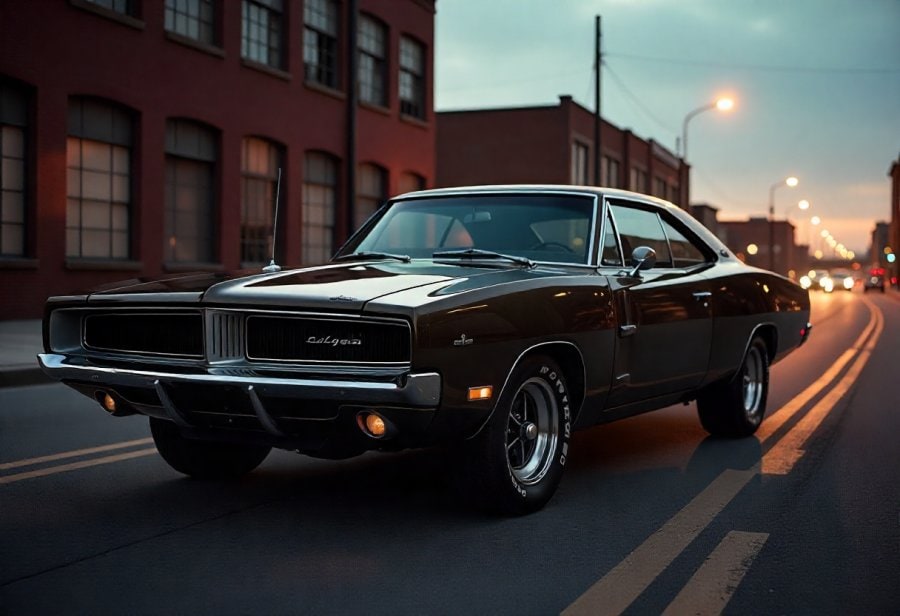
Modern Powerhouse: The Dodge Charger in Today’s Automotive Scene
Today’s Dodge Charger continues to stand out as a modern muscle car that balances its primal roots with cutting-edge technology. Its lineup, including models like the SXT, R/T, and the legendary SRT Hellcat, packs impressive performance that commands attention on both the street and the track. These vehicles uphold the Charger’s reputation as a street racing beast, combining raw power with everyday practicality. Its wide stance, aggressive grille, and sleek lines echo the classic Charger roar, ensuring it looks as formidable as it sounds.
What keeps the Charger relevant today is its ability to evoke primal instincts while fitting seamlessly into contemporary automotive culture. Despite the technological upgrades, it maintains the core elements that made it iconic—muscular design, commanding presence, and a thunderous engine note. The high-performance variants, especially the SRT Hellcat, continue to push boundaries with supercharged engines delivering extraordinary horsepower, satisfying thrill-seekers and performance enthusiasts alike.
Recent updates have refined the Charger’s appeal, blending performance with modern comforts. Larger touchscreens, smartphone connectivity, and premium audio systems are now standard, making every drive more connected and enjoyable. Under the hood, engines have become more efficient yet remain fiercely powerful, with supercharged V8s that deliver explosive acceleration. Design tweaks, such as sleeker aerodynamics and sharper lighting, give the Charger a fresh look without losing its aggressive stance.
The lineup offers models tailored to different tastes. The R/T embodies muscle car rebellion with its robust V8 and bold aesthetics, while the SRT Hellcat offers a visceral experience with blistering speed and supercharged fury. These versions highlight the Charger’s ability to deliver unyielding performance while respecting its classic design language. Despite stricter emissions standards and rising electric competition, Dodge remains committed to evolving the Charger without sacrificing its rebellious spirit.
Looking forward, electrification and hybrid technology promise to redefine what a muscle car can be. Many anticipate that future Chargers will feature advanced propulsion systems, offering instant torque and blistering acceleration while maintaining that primal road power. Design-wise, sleeker lines and modern aesthetics will help it stay visually commanding, blending tradition with innovation.
Moreover, the cultural perception of the Charger is shifting toward a more sustainable rebellion. Some see electrification as a way to preserve its raw power in an environmentally conscious package, while others worry it might dilute its iconic character. Dodge’s challenge will be to balance these perspectives, ensuring the Charger remains true to its roots while embracing the future.
In all, the Dodge Charger’s story is far from over. It’s evolving with the times, merging its primal, rebellious spirit with new technology and design innovations. This iconic muscle car continues to inspire with its blend of power, style, and attitude—ready to own the road for generations to come.
Beyond the Road: The Charger’s Role in Car Culture and Personal Identity
The Dodge Charger’s influence extends well beyond its impressive performance, shaping the very fabric of car culture and personal identity. Its commanding presence and unmistakable roar have made it a symbol of rebellion, freedom, and unyielding attitude. For many enthusiasts, owning a Charger isn’t just about transportation; it’s about embodying a legacy of raw power and defiance that resonates deeply on a personal level.
Customization plays a key role in this cultural connection. Owners often personalize their Chargers with bold paint jobs, aftermarket wheels, or performance upgrades, transforming each vehicle into a unique reflection of individual style and spirit. This act of tailoring a Charger becomes a statement—an extension of the driver’s attitude and personality—further cementing its status as more than just a muscle car.
In street racing communities, the Charger’s reputation is legendary. Its potent V8 engines and aggressive styling make it a favorite among those seeking maximum speed and primal road power. The thunderous sound of its engine isn’t just noise; it’s a sonic declaration of dominance. For many, their Charger is a street racing beast capable of turning heads and asserting presence on urban roads, fostering a passionate community that values performance, attitude, and shared rebellion.
Beyond racing, the Charger has cemented itself as a cultural icon through its appearances in movies, TV shows, and media, most notably in the “Fast & Furious” franchise. These moments elevate the Charger from a performance vehicle to a symbol of American muscle and rebellion, inspiring pride and aspiration among fans. Driving one becomes an act of embracing a rebellious spirit, a way to connect with a legacy rooted in freedom and strength.
Restoring vintage models, especially the iconic 1969 R/T, remains a popular pursuit among collectors. Restorations are more than preservation—they’re a celebration of a rebellious era of American muscle. Enthusiasts invest time and resources into maintaining authenticity, turning these cars into living pieces of history. Car meets and drag races often revolve around these legendary machines, creating communities centered on shared passion and pride.
The cultural significance of the Dodge Charger also lies in its symbolism of independence and resilience. Its bold design and thunderous engine embody a period when muscle cars represented individualism and unrestrained power. Today, that spirit continues to inspire new generations, serving as a reminder of American ingenuity and the relentless pursuit of performance.
In essence, the Dodge Charger is more than a muscle car; it’s a cultural phenomenon that embodies rebellion, identity, and the primal instinct for speed. It continues to inspire both drivers and fans to embrace their instincts and celebrate the raw, unfiltered power that has made it legendary. Its influence endures not just on the road, but in the collective imagination of those who see it as a symbol of unbreakable spirit and unrelenting attitude.
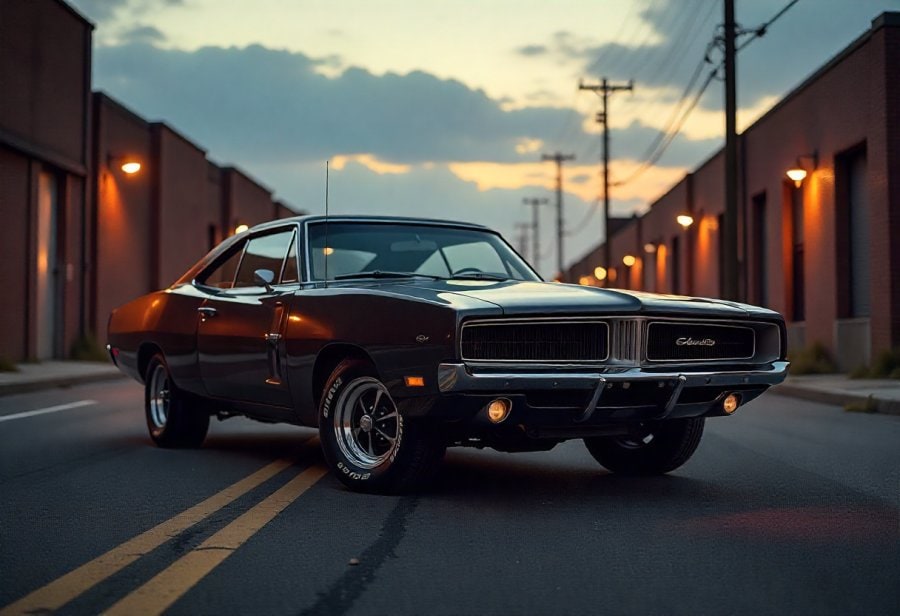
Looking Forward: The Future of the Dodge Charger in a Changing Automotive World
Looking ahead, the Dodge Charger’s future is set to blend its primal, rebellious roots with the rapid pace of automotive innovation. As electric vehicles become more mainstream, many enthusiasts wonder how a legendary muscle car like the Charger will adapt. The shift to electrification promises to redefine what it means to be a street racing beast, offering instant torque and blistering acceleration while maintaining the aggressive, primal character that has made the Charger iconic. High-performance electric motors and hybrid systems could soon deliver mind-blowing speed, keeping the essence of raw power alive in a new form.
Design will likely focus on aerodynamic efficiency and modern aesthetics, ensuring the Charger remains visually commanding amid a competitive segment. Expect sleeker lines, sharper lighting, and refined details that nod to its classic muscle car heritage. These updates will help it stay relevant among performance vehicles that are increasingly electrified, while still echoing the bold stance and muscular silhouette that define the brand. Even with these changes, Dodge aims to preserve the Charger’s core identity as a street racing beast, seamlessly integrating new tech into its unmistakable look.
The cultural perception of the Charger may evolve as well. Many see electrification as a way to honor its rebellious spirit—offering instant, explosive power in a more environmentally conscious package. However, some purists worry that moving away from traditional V8 engines might dilute its raw, unfiltered experience. Dodge’s challenge will be balancing these perspectives, ensuring the Charger remains true to its roots while embracing the future of sustainable performance.
Advances in connected technology will also shape its next chapter. Expect to see more sophisticated driver-assistance systems, performance monitoring tools, and customizable driving modes that enhance safety and convenience. These features will allow drivers to fine-tune their experience—blending primal road power with modern comfort—making the Charger not just a symbol of rebellion but also a versatile, daily-ready performance car. This evolution keeps the spirit of unrelenting speed alive, now with a smarter edge.
As the industry moves toward electrification, the Charger’s story of resilience and adaptation continues. Its future lies in preserving that primal drive while harnessing the latest in propulsion technology. With a design that pays homage to its muscular past and a tech suite built for modern drivers, the Charger will remain a powerful statement of American ingenuity. It’s poised to excite new generations, proving that even as the world changes, the primal instincts that fueled the Charger’s legendary status will endure.
In the end, the Dodge Charger’s legacy is about more than just speed—it’s about rebellion, identity, and the relentless pursuit of performance. By embracing innovation without losing its core spirit, the Charger will continue to ignite primal instincts on the open road. The next chapter promises to uphold its legendary status, ensuring that the myth of this iconic muscle car remains as fierce and relevant as ever for years to come.