Behind every safe and reliable home lies the skilled craftsmanship of electricians, transforming chaos into dependable power systems. How do these professionals master the art of organizing tangled wires, adhering to evolving safety standards, and integrating cutting-edge technology? Their work is a delicate balance of technical knowledge, meticulous planning, and unwavering safety practices. From understanding historical safety lessons to interpreting complex blueprints, electricians craft systems that power modern life while protecting lives and property. With ongoing education and innovative tools, they adapt to emerging smart home technologies and industry standards, ensuring reliability now—and into the future. But are we truly aware of the unseen expertise that keeps our homes lit and safe? This journey into electrical mastery reveals not just the complexity behind a simple switch, but also the unwavering commitment to safety that transforms chaos into comfort.
Ensuring Safety and Reliability: The Foundation of Modern Electrical Systems
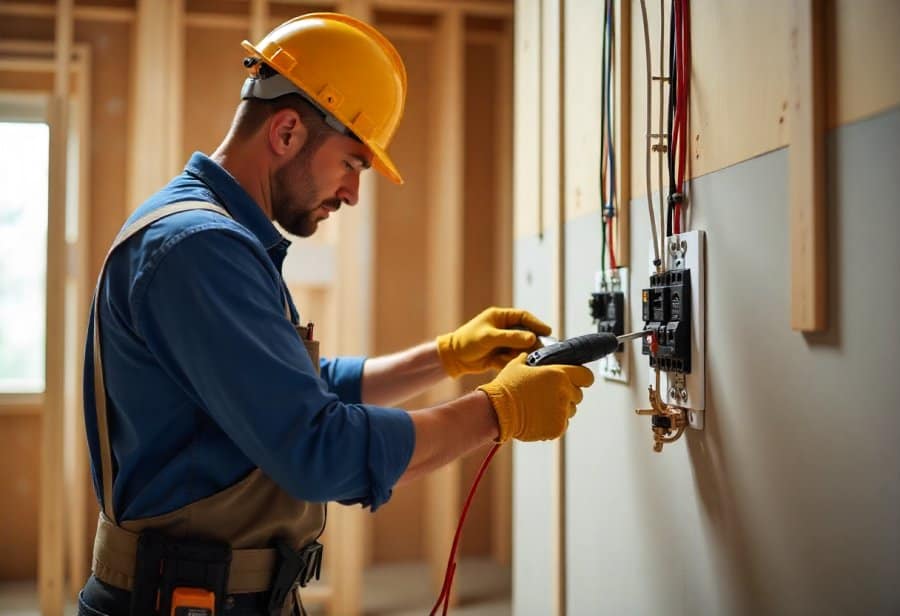
Electrical safety and reliability are the backbone of every modern home and workplace. Every time you flip a switch or plug in an appliance, you’re trusting that the wiring and devices behind the scenes will work safely and consistently. When these systems are poorly installed or neglected, hazards like shocks, fires, or unexpected outages can occur, putting property and lives at risk. That’s where electricians come in—designing, installing, and maintaining electrical systems that meet strict safety standards and ensure dependable power.
Understanding the history of electrical safety highlights its importance. Early wiring was often haphazard, with wires running unpredictably and little regard for grounding or circuit protection. These mistakes often led to shocks and fires. As technology advanced, industry standards and building codes emerged to address these risks, emphasizing proper grounding, circuit breakers, and organized wiring practices. These standards aren’t just bureaucratic rules—they’re lessons learned from past failures, crafted to keep us safe.
The creation of the National Electrical Code (NEC) was a turning point. It provided a comprehensive blueprint that electricians follow to ensure installations are safe and consistent nationwide. From wire sizing to grounding techniques, the NEC covers critical aspects that prevent faults and failures. Electricians who understand the evolution of these standards appreciate that each rule is rooted in decades of experience and problem-solving.
Electricians do more than follow codes—they understand the reasons behind each safety practice. This knowledge allows them to anticipate hazards, select appropriate materials, and implement best practices during installation. Their work isn’t just about wiring; it’s about creating systems that are safe, durable, and capable of supporting the technology we rely on daily. This foundation of safety-conscious work not only protects property and lives but also provides peace of mind for homeowners.
Maintaining safety isn’t a one-and-done task; it’s an ongoing process. Electricians regularly inspect and test systems to catch issues early, troubleshooting problems carefully and systematically. Their proactive approach helps extend the lifespan of electrical systems, reducing costly repairs and preventing hazards over time. Skilled electricians keep homes powered reliably year after year through diligent maintenance and continuous vigilance.
The role of ongoing education is vital. As new technologies and materials emerge, electricians update their skills to stay compliant with evolving standards. This continuous learning ensures they can handle complex wiring projects and incorporate innovative systems safely. By staying current, electricians reinforce the safety and reliability that form the core of their profession, safeguarding the homes and communities they serve.
The Evolution of Electrical Standards: Building a Safer Future
Electrical wiring and safety standards haven’t always been as clear or organized as they are today. In the early days of electricity, wiring was often improvised—wires ran in unpredictable paths, and safety features like grounding and circuit protection were frequently missing. This lack of standardization led to frequent hazards, including shocks, fires, and system failures. As electrical systems became more common in homes and businesses, the need for formal rules and safety guidelines grew stronger.
Over time, industry standards and building codes began to take shape. These early regulations focused on fundamental safety principles—proper grounding, the use of circuit breakers, and organized wiring methods. The goal was to control the flow of electricity, prevent dangerous faults, and ensure systems could operate safely over the long term. These foundational standards set the stage for the more comprehensive safety practices we rely on today.
The development of the National Electrical Code (NEC) marked a major milestone in this evolution. The NEC provided a unified set of guidelines for wiring practices across the country, helping ensure consistency and safety. Electricians now follow these rules closely, knowing that proper wire sizing, conduit installation, grounding, and circuit protection are critical to avoiding hazards. The standards serve as both a safety measure and a common language among professionals, fostering reliable and safe electrical systems.
Understanding this history clarifies why current safety standards are so vital. They aren’t just bureaucratic rules—they are lessons learned from past mistakes and technological advancements. These regulations are designed to protect people from shocks, prevent fires, and ensure electrical systems last. For electricians, a solid grasp of these core principles informs their work, helping them anticipate hazards and choose the best practices for each project.
Today’s electrical work is built on this foundation of organized, safety-conscious principles. Electricians meticulously plan and implement wiring systems that balance efficiency with safety. They select materials carefully, interpret blueprints precisely, and follow established standards to create reliable, long-lasting systems. This disciplined approach transforms a jumble of wires into safe, accessible networks that support modern living.
Finally, ongoing education and adaptation are key to maintaining high standards. As new technologies and materials emerge, electricians update their skills, integrating innovations like smart home systems and real-time diagnostics. Staying current with evolving codes ensures they can handle complex projects safely. By continuously learning, electricians uphold the core principles that keep homes safe and reliable, shaping a safer electrical future for all.
Experience Top-Tier Electrical Solutions with North York Electricians
North York Electricians (NYE) proudly serves the Greater Toronto Area with expert electrical services tailored for homeowners. Whether you need Professional electrical installation, residential electricians, or comprehensive home wiring service, NYE ensures safety, efficiency, and modern solutions. Specializing in smart home upgrades, we install and configure smart switches, thermostats, security systems, and home automation to enhance convenience and security. Our eco-friendly approach includes upgrading to LED lighting, energy-saving panels, and sustainable electrical designs. From lighting design and upgrades to troubleshooting electrical issues, trust NYE for reliable and innovative electrical services. For a consultation, call (416) 508-0206 or visit lighting and electrical service today.
Mastering Complexity: How Electricians Create Dependable Power Networks
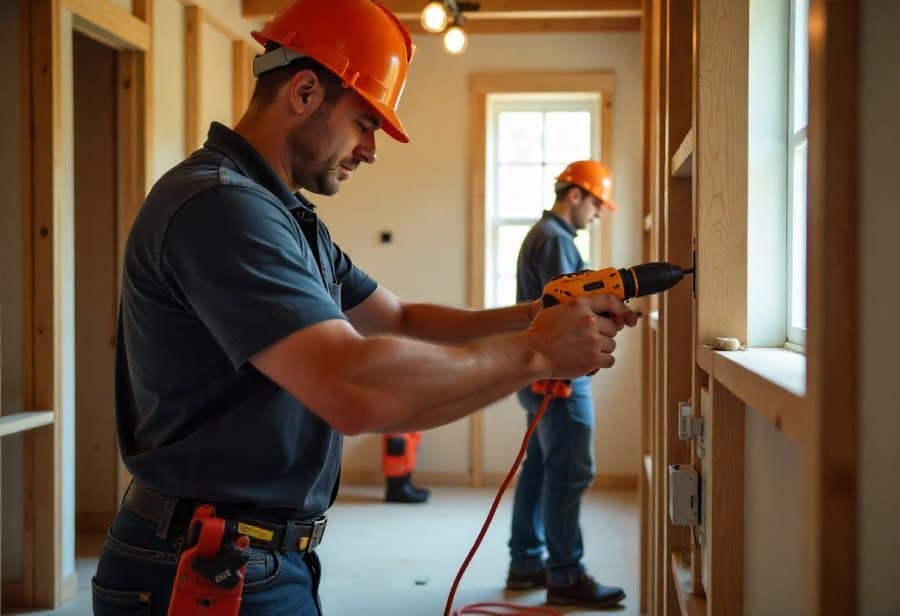
Electricians are the architects behind reliable electrical systems. They take complex wiring plans—often full of tangled, confusing routes—and turn them into organized, safe, and efficient power networks. This process demands a deep understanding of circuits, as well as the ability to interpret blueprints and technical diagrams. By carefully planning the layout of wires, conduits, and components, electricians ensure systems function smoothly and safely, reducing the risk of overloads or short circuits.
One of their key skills is interpreting detailed schematics. These blueprints map every circuit and connection, serving as a roadmap for installation. Electricians select appropriate materials and determine the best routes for wiring, often working in tight or awkward spaces. Their meticulous attention to detail prevents common issues like wiring congestion, which can lead to overheating or trouble-shooting difficulties later on. In essence, they transform a chaotic jumble of wires into a clean, logical system that’s easy to maintain and troubleshoot.
Troubleshooting plays a vital role in their work. When problems arise, electricians follow a systematic process—gathering information, shutting off power, and using diagnostic tools to test points along the circuit. They look for loose connections, damaged wires, or faulty devices that could disrupt the system’s operation. By methodically testing and replacing components, they restore reliability while adhering to safety protocols. This careful approach highlights how proper planning and precise execution prevent future failures and extend the system’s lifespan.
Complex wiring scenarios often present unique challenges—limited space, hidden existing wiring, or structural obstacles. Electricians must adapt quickly, employing specialized tools like fish tapes and cable pulls to navigate tight or inaccessible areas. Their experience guides them to identify the most efficient routes, avoiding damage to existing structures or wiring. Effective coordination with other trades and clear communication with clients help overcome these hurdles, turning difficult installations into dependable, long-lasting systems.
Safety and reliability are woven into every step of this process. Electricians follow strict safety protocols—shutting off power, verifying circuits are de-energized, and using insulated tools—to protect themselves and the property. They also strictly adhere to wiring standards and building codes, ensuring each connection is secure and compliant. Regular inspections during and after installation help catch issues early, preventing hazards and ensuring long-term system performance.
Through careful planning, attention to detail, and strict safety practices, electricians convert complex wiring into reliable power systems. Their ability to organize chaos into logical, accessible circuits is what keeps homes powered safely and efficiently. This mastery of transforming tangled wires into dependable networks not only ensures the safety of occupants but also supports the seamless functioning of modern technology in everyday life.
Ensuring ongoing safety and compliance is essential for electricians, who often pursue specialized training and certifications to stay current with industry standards. For more information on the necessary knowledge and qualifications, you can explore the training and certification pathways for professional electricians here. Continuous education helps these professionals maintain high safety standards and adapt to evolving electrical codes.
Practicing Safety First: Strategies and Tools for Secure Residential Wiring
Safe electrical work begins with a mindset rooted in caution and discipline. Electricians must always turn off power before starting any wiring task, and using a reliable voltage tester to verify that a circuit is de-energized is essential. This simple step can prevent accidental shocks and save lives. Keeping the workspace neat and organized isn’t just about tidiness—it reduces the risk of contact with live wires or misplaced tools, making every job safer and more efficient. Wearing insulated gloves, safety glasses, and using insulated tools further minimizes hazards, especially in tight or complex spaces.
A disciplined approach is key. Following detailed checklists and double-checking connections helps catch mistakes early. Every step should be deliberate, with a focus on verifying that all wiring complies with local codes and standards. This careful process transforms complex procedures into routine practices that prioritize safety and quality. Staying calm and focused throughout each phase of the project isn’t just good practice; it’s vital for avoiding errors that could lead to shocks or fires.
Technological advancements have significantly improved safety and efficiency. Modern smart testers can diagnose wiring issues in real time, allowing electricians to identify problems without risking exposure to live circuits. Wireless testers enable remote verification, reducing the chance of accidental contact. Improved insulation materials, cable management systems, and protective covers also contribute to safer installations, making future maintenance simpler and less risky. Incorporating these tools into daily work elevates safety standards and reduces rework.
A culture of continuous safety education keeps electricians sharp. Regular training on the latest standards, tools, and safety protocols ensures they stay aware of emerging risks and industry updates. Proper procedures like circuit identification and lockout/tagout are critical. When safety practices become ingrained routines, the likelihood of hazards diminishes, and the quality of work improves. This ongoing commitment to learning and vigilance helps maintain a professional standard that homeowners and clients can trust.
Monitoring and assessing safety practices regularly is vital for ongoing improvement. Conducting safety audits, reviewing near-misses, and seeking peer feedback highlight areas for enhancement. Tracking these metrics fosters accountability and reinforces a safety-first culture. When safety becomes integral to every task, electricians protect themselves, their clients, and the integrity of their work. This disciplined approach ensures that safe electrical practices become second nature, supporting the creation of reliable, hazard-free homes.
Ultimately, upholding safety in residential wiring is about more than just following rules—it’s about cultivating a mindset that values caution, precision, and continuous improvement. Electricians who embrace this philosophy can confidently navigate complex projects, knowing they’re protecting lives and property. By integrating the latest tools, adhering strictly to standards, and maintaining a vigilant attitude, they set the standard for safe, reliable electrical work that stands the test of time.
Looking Ahead: Innovations and Lessons Shaping the Future of Electrical Safety
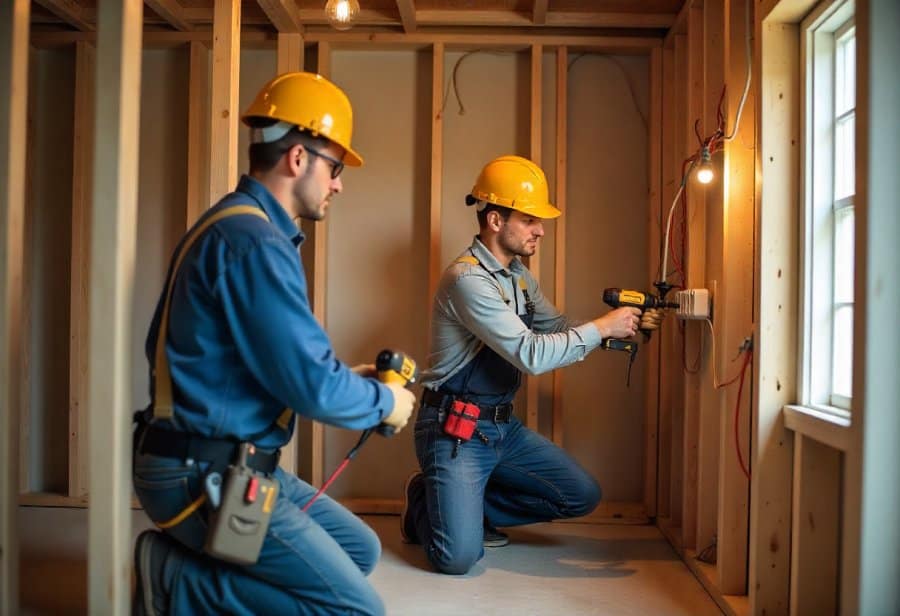
As the field of electrical work continues to evolve, the lessons learned from past projects highlight the importance of meticulous planning and precise wiring. When electricians take the time to understand blueprints thoroughly, select the right materials, and double-check connections, they significantly reduce the risk of errors and hazards. These practices are more than just compliance—they’re about building safer, more reliable homes that stand the test of time. Staying current with updates to codes and standards is equally vital, as it ensures electricians can handle new tools, materials, and safety protocols confidently.
Ongoing education plays a crucial role in maintaining high standards. As technology advances—such as smart home systems, remote diagnostics, and improved insulation materials—electricians must continually update their skills. Embracing these innovations allows them to incorporate new systems safely and efficiently, ultimately enhancing the safety and dependability of the electrical systems they install. This commitment to learning helps professionals anticipate future challenges, adapt their techniques, and stay ahead in a rapidly changing industry.
Looking ahead, technological progress promises exciting developments. Smart home integrations, IoT devices, and real-time monitoring systems are becoming common features in residential wiring. These tools enable electricians to diagnose issues remotely, predict failures before they happen, and ensure systems operate at optimal safety levels. By adopting these innovations, electricians can streamline maintenance, reduce downtime, and lower repair costs, providing homeowners with safer, smarter homes that are prepared for the future.
The evolution of regulations and safety standards will also play a key role as new products and systems enter the market. Keeping pace with these changes requires ongoing training and certification, fostering a culture of continuous improvement. This process not only reinforces a safety-first mindset but also upholds the professionalism and accountability that clients rely on. As standards evolve, electricians who commit to lifelong learning will be best equipped to deliver reliable, compliant solutions that meet modern demands.
The core takeaway remains clear: safety, precision, and adaptability are the pillars of successful electrical work. By blending a deep understanding of established principles with a willingness to learn and innovate, electricians can confidently meet the industry’s shifting landscape. Their dedication to these values safeguards homes today and shapes a safer, smarter electrical future. Embracing progress while honoring foundational practices ensures the ongoing trust and confidence of the communities they serve.