In an era dominated by digital screens and fleeting connections, could tending a garden together unlock a deeper, healing bond? ‘Beyond Screens’ explores how shared outdoor activities—planting, nurturing, and collaborating in nature—offer more than just a hobby; they foster genuine communication, patience, and trust. Gardening becomes a powerful act of love and resilience, promoting emotional well-being, reducing stress, and nurturing empathy. From community gardens and urban farms to therapeutic horticulture, the act of working side-by-side in the soil transforms relationships and rebuilds social cohesion. As technology innovates with virtual reality and online communities, the timeless act of tending plants remains relevant for emotional healing and connection—raising the question: can cultivating green spaces be the key to reconnecting in a disconnected world? This compelling journey demonstrates that, amid modern chaos, nature still has the profound power to unite and heal us all.
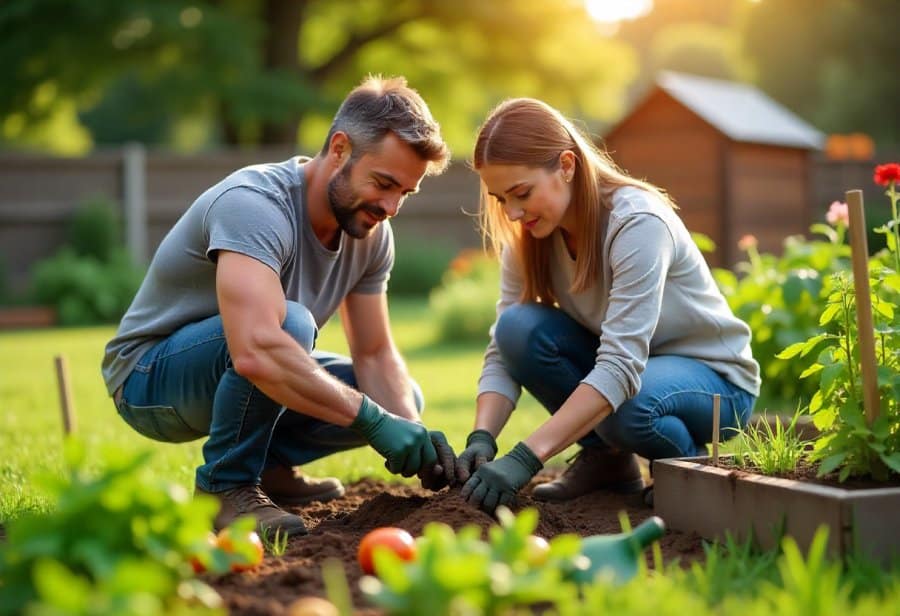
Reconnecting Humanity: Gardening as a Sanctuary in the Digital Age
In a world where screens dominate much of our daily lives, genuine human connection can sometimes feel harder to find. We spend hours scrolling through feeds, exchanging quick messages, and consuming endless digital content, yet meaningful interactions often slip through the cracks. Gardening offers a simple, yet powerful reminder to slow down and reconnect in a more tangible way. When we work alongside others in the soil, it becomes a space for shared effort, patience, and quiet understanding—elements that nurture stronger bonds.
There’s something timeless about tending to the land together. Whether planting seeds, watering rows, or simply soaking up the sun, these activities foster cooperation and open communication without the need for words. Being outdoors in nature creates a relaxed atmosphere where barriers tend to fall away, making it easier to open up and connect authentically. Caring for plants side-by-side reminds us that growth takes time, and nurturing others—like nurturing a garden—is an act of gentle love and patience.
Today’s digital world often leaves relationships shallow or surface-level. People exchange texts and social media updates but miss out on the deeper conversations that can emerge from shared experiences. Gardening provides a restorative escape from this noise—a chance to disconnect from screens and reconnect with nature and each other. The physical act of working in the soil encourages mindfulness and mutual support, creating trust and understanding that can lay the foundation for more meaningful bonds.
Shared outdoor activities like gardening also support emotional healing. They invite us to slow down, focus on the present, and find comfort in caring for something tangible. The physical effort involved in tending plants releases mood-boosting endorphins, reducing stress and lifting spirits. More importantly, doing this together fosters organic conversations and empathy, helping relationships grow stronger over time. These routines can turn a simple activity into a source of shared pride and emotional connection.
Looking back through history, cultures worldwide have used communal gardening as a way to reinforce social ties. From indigenous tribes passing down traditions in shared gardens to medieval villages relying on collective efforts, tending land has long been more than physical labor—it’s a way to build community, trust, and resilience. These examples show that caring for the land isn’t just about food; it’s a powerful act of connection and emotional healing.
Today, this timeless practice continues to evolve. Community gardens, therapeutic horticulture programs, and backyard projects are increasingly recognized for their role in fostering emotional well-being. As more people seek to rebuild human bonds amid a digital age, gardening remains a universal activity that can be adapted to modern life. Whether in small urban plots or sprawling rural farms, tending plants together reminds us that growth, patience, and care are fundamental to strengthening relationships and healing emotionally.
Nature’s Cure: Unlocking Emotional Healing Through Gardening
Gardening has long been celebrated for its therapeutic effects, offering a natural way to support emotional and mental well-being. Spending time in a garden—whether planting, nurturing, or simply observing—can significantly reduce stress and elevate mood. The tactile experience of working with soil and plants calms the mind, providing a peaceful escape from daily chaos. Physical activity involved in gardening releases endorphins, our body’s natural mood lifters, making us feel happier and more relaxed.
Beyond the physical benefits, gardening cultivates mindfulness. When focusing on tending to plants, worries and negative thoughts tend to fade, replaced by a sense of presence. This attentive engagement acts as a gentle form of meditation, helping individuals reconnect with themselves and the natural world. For many, this mindful practice becomes a sanctuary for emotional processing, fostering clarity and resilience during difficult times.
Historically, communal gardening has played a vital role in strengthening social bonds. Across cultures, shared land and collective efforts weren’t just about sustenance—they created spaces for cooperation, trust, and emotional support. Indigenous communities, medieval villages, and modern urban farms demonstrate that tending the land is more than physical work; it’s a way to nurture community resilience and emotional health. These shared spaces foster a sense of belonging and purpose, reinforcing the healing power of collective care.
At the core of gardening lies patience and nurturing. Caring for plants teaches trust—that consistent effort will yield growth—and reminds us that life unfolds gradually. This process cultivates resilience and encourages persistence. When people work together regularly, these activities deepen emotional bonds, fostering teamwork and mutual reliance. Over time, caring for a garden becomes a meaningful act of love, mirroring the patience needed in human relationships.
Modern practices continue to harness gardening’s healing power. Urban farms, therapeutic gardens in hospitals, and community projects demonstrate how this ancient activity adapts to contemporary needs. These initiatives show that caring for plants can reduce anxiety, foster social interaction, and provide a calming retreat for people of all ages. As awareness of mental health grows, integrating gardening into therapeutic programs underscores its role in building emotional strength and resilience.
Engaging with nature through gardening reminds us that care and patience are universal languages. Even in a fast-paced, digital world, tending to plants offers a tangible connection—an act of nurturing that fosters trust, empathy, and emotional growth. The simple act of caring for the land can serve as a profound source of healing, proving that sometimes, the greatest therapy comes from getting our hands dirty and growing together.
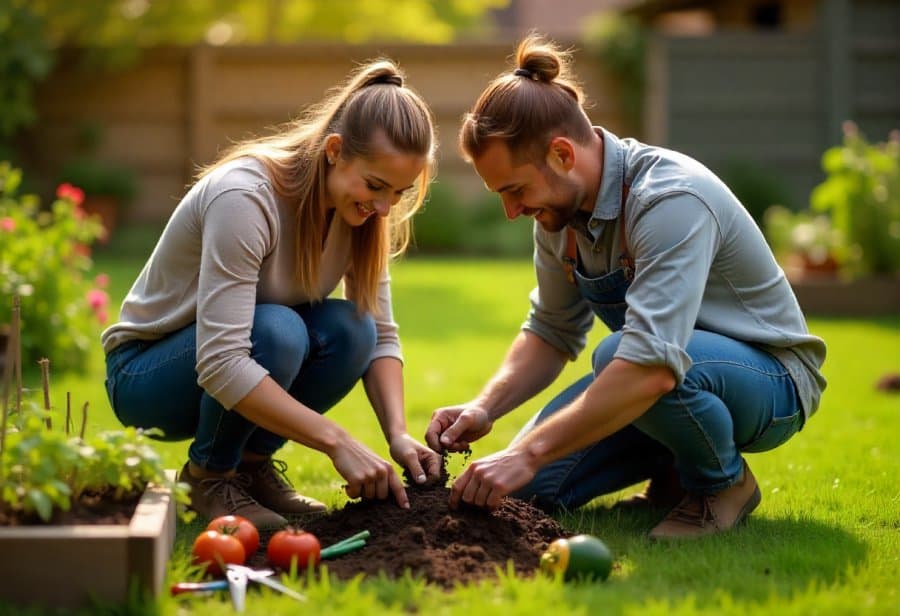
Cultivating Connections: How Modern Gardens Build Resilience and Joy
Today, gardening has taken on new importance as a practical and accessible way to foster relationships and boost mental well-being. Community gardens, shared allotments, and therapeutic horticulture programs are sprouting up everywhere, creating vibrant spaces where people from diverse backgrounds come together to grow food, flowers, and friendships. These initiatives transform the simple act of tending plants into a powerful tool for social bonding, resilience, and emotional support.
In urban areas especially, city farms and rooftop gardens are turning concrete jungles into lively communal hubs. Neighbors work side-by-side, sharing resources and building a sense of belonging that’s often missing in modern city life. Meanwhile, therapeutic gardens in hospitals and care facilities provide calm retreats that help individuals manage stress, improve mood, and reconnect with nature in a nurturing environment. Family gardening projects, where parents and children plant and harvest together, are also gaining popularity as a meaningful way to strengthen bonds through shared effort.
Digital platforms further extend gardening’s reach, breaking down geographic and physical barriers. Online gardening clubs and social media groups allow enthusiasts to exchange tips, seeds, and ideas, fostering a sense of community regardless of location. Virtual gardening projects and mindfulness-focused practices deepen the emotional connection to plants and nature, encouraging participants to slow down and be present in the moment. These innovations make gardening more inclusive and adaptable, reaching people who might otherwise feel excluded.
Despite these positive trends, challenges remain. Limited outdoor space in densely populated areas can restrict access, and busy schedules often interfere with regular participation. Society’s increasing reliance on screens and digital communication can also hamper genuine, face-to-face interactions. To overcome these hurdles, community initiatives and policies aimed at creating accessible, inclusive gardening spaces are essential. They help ensure everyone can experience the emotional and social benefits that come with tending the land.
As awareness of gardening’s mental health benefits grows, so does its integration into broader well-being strategies. Programs that combine traditional gardening with modern therapeutic approaches are expanding, helping diverse populations build resilience and emotional strength. These efforts highlight that garden bonding is evolving—adapting to meet the needs of a changing world while preserving its core power to connect, heal, and renew.
Overall, the landscape of garden bonding today reflects a dynamic blend of tradition and innovation. From urban farms to virtual communities, gardening continues to adapt and expand its role as a tool for emotional support and relationship-building. As society increasingly recognizes the importance of human connection and mental health, these green spaces and shared efforts will remain vital—proof that even in an age dominated by screens, nature and community still hold the power to unite us.
Growing Bonds: Strategies to Deepen Human Relationships Through Gardening
Gardening is more than just planting and watering; it’s a powerful way to foster and deepen human relationships. One effective strategy is to create shared projects, such as planting a vegetable garden or designing a flower bed together. These activities promote teamwork and open communication, giving everyone a sense of contribution and investment. Establishing regular gardening routines turns the activity into a bonding ritual, helping to build trust and shared memories that strengthen emotional ties.
Active listening plays a vital role during these shared moments. As you work side by side, providing space for genuine conversation encourages emotional openness and understanding. Celebrating small successes, like a healthy bloom or a bountiful harvest, cultivates positive feelings and a sense of achievement. These shared triumphs transform gardening into a source of pride and emotional reward, reinforcing the connection beyond the physical act of planting.
Incorporating creativity enhances these bonds further. Activities like decorating pots or creating mosaic pathways inspire collaboration and add a playful dimension to gardening. Sensory gardens that engage sight, smell, touch, taste, and sound deepen mindfulness and emotional awareness, fostering a more immersive experience. For those with limited outdoor space, urban vertical gardens or container gardening offer accessible ways to collaborate and grow together, broadening the reach of garden-based connection.
Practicing mindfulness while gardening amplifies its relationship benefits. Being present and attentive during plant care fosters authentic engagement, helping people to connect on a deeper level. Setting shared goals, such as nurturing a particular plant or creating a peaceful outdoor retreat, provides purpose and direction, making the activity more meaningful. Celebrating milestones—like a thriving plant or a quiet moment of reflection—creates positive emotional experiences that extend beyond the garden itself. For more on this topic, the Mayo Clinic highlights how gardening can support health, reduce stress, and connect us with nature. Click here to read the full article.
Measuring the impact of these shared gardening activities can reveal significant insights. Observations of behavior, self-reported feelings of trust and well-being, and even biometric data like stress levels help track relationship growth. This intentional approach underscores how garden activities serve as effective pathways for connection, resilience, and emotional healing. When approached with purpose, gardening becomes a bridge—bringing people closer, fostering empathy, and nurturing bonds that sustain us through life’s challenges.
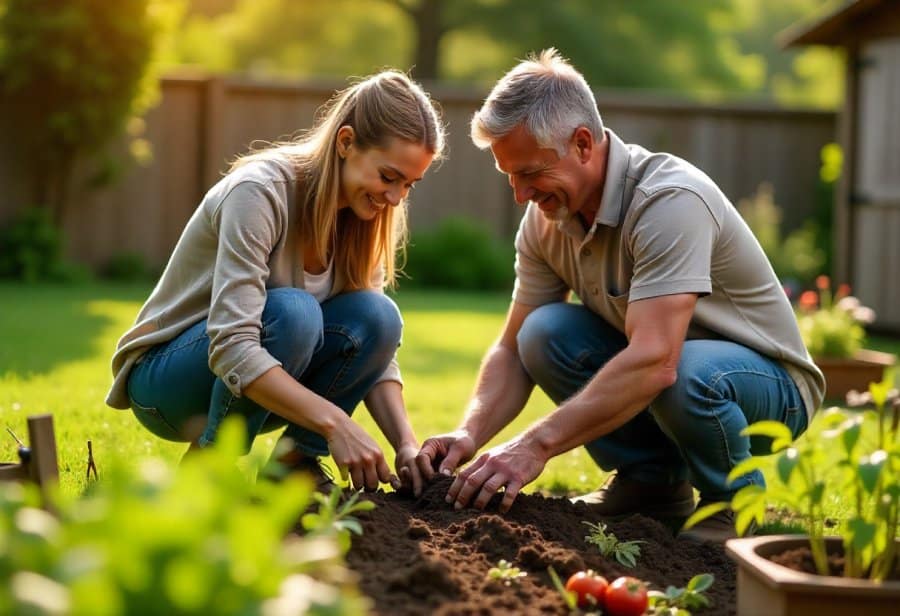
Looking Forward: The Future of Garden-Based Healing and Community Bonds
Looking ahead, the potential of garden-based healing and bonding continues to grow as new ideas and technologies emerge. Virtual reality gardening, for instance, offers a calming experience of nature to those who lack access to outdoor space, opening a door for everyone to benefit from nature’s restorative power. Urban farms and rooftop gardens are transforming cityscapes into lively community hubs, demonstrating how even dense environments can foster connection and emotional support. These developments signal a future where gardening’s role in emotional well-being becomes more inclusive, reaching people who might otherwise be excluded due to space or mobility limitations.
At the same time, awareness of mental health and community resilience is pushing gardening beyond a leisure activity into a vital component of holistic care. Programs that blend traditional gardening with therapeutic practices are expanding, helping diverse groups rebuild trust, patience, and empathy through shared effort. This fusion of old-fashioned care and modern therapy emphasizes that garden bonding isn’t static; it evolves to meet society’s changing needs while retaining its core ability to connect, heal, and inspire resilience.
Technology plays a crucial role in this evolution. Smart tools, mobile apps, and online communities make gardening more accessible and engaging, allowing people to share tips, seeds, and experiences regardless of their location. Virtual gardening clubs foster a sense of belonging, especially for those facing physical or geographic barriers. These digital innovations amplify gardening’s healing potential, making it easier than ever to participate and sustain emotional bonds over time, even from afar.
Environmental concerns further deepen the significance of garden-based bonding. Sustainable practices like organic gardening, rainwater harvesting, and eco-friendly land use foster a collective sense of responsibility. They reinforce patience, nurturing, and resilience—qualities that strengthen emotional ties and community identity. As more individuals embrace these methods, gardening transforms into a shared commitment to both personal and planetary well-being, nurturing a deeper connection to the natural world and each other.
While challenges such as limited urban space and busy lifestyles persist, they also inspire creative solutions. Community initiatives, inclusive policies, and innovative design are making gardening more accessible and inviting. The future of garden-based healing lies in blending tradition with innovation—keeping the essence of care and patience alive while harnessing new tools to broaden its reach. As we continue to nurture these green spaces, the message remains clear: through collective effort and gentle tending, we can rebuild trust, foster empathy, and cultivate stronger bonds—proving that even in a digital age, nature and human connection remain vital.