Beneath the neon glow and the roar of engines, underground street racing reveals a world driven by adrenaline, rebellion, and deep-seated brotherhood. This clandestine culture, rooted in post-war roots and fueled by a spirit of defiance, transforms city streets into high-stakes racetracks where loyalty and respect forge unbreakable bonds. Beyond speed, racers create a community—sharing secrets, supporting each other through legal threats, and celebrating their unique identities through car modifications. These late-night sessions evolve into rituals of trust and kinship, turning fleeting rivalries into lifelong family ties. Despite law enforcement crackdowns and risks, the scene persists, driven by a collective resilience and a desire for belonging that transcends societal constraints. What drives this relentless devotion? It’s the understanding that for these racers, brotherhood, loyalty, and shared purpose are the true victories—transforming fleeting moments of velocity into enduring relationships that redefine the meaning of speed.
Contents
Unmasking the Thrill: The Underground Street Racing Scene
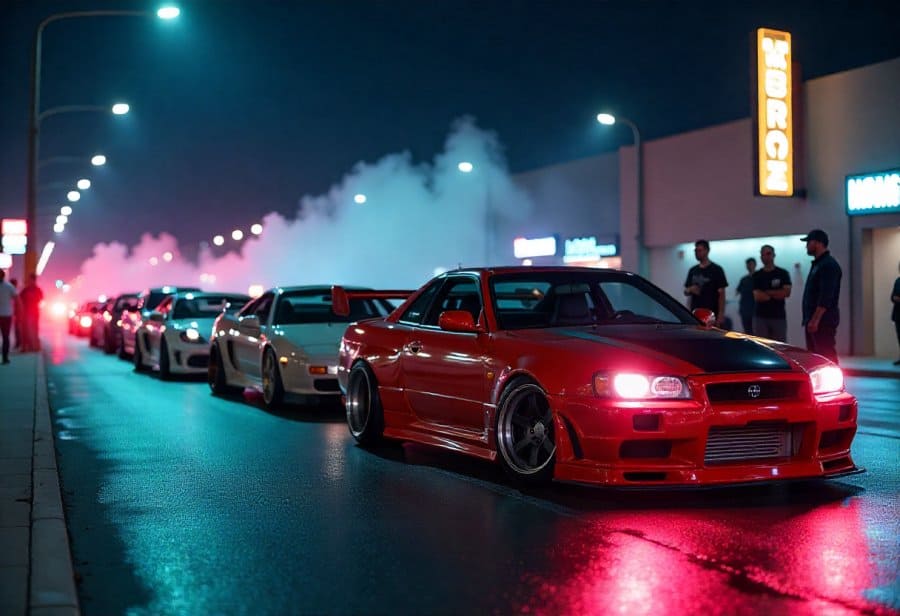
Underground street racing exists in a shadowy world just beneath the surface of everyday city life. It’s driven by a love of speed and the thrill of rebellion, offering a stark contrast to the controlled environment of official racing tracks. These races often happen late at night, in hidden spots like deserted industrial areas or quiet backstreets, where racers can push their cars—and themselves—to the limit without fear of legal repercussions. It’s about feeling alive in a way that mainstream motorsports rarely provide, fueled by the raw sound of roaring engines and the wind whipping past modified bodies.
What draws people into this underground scene isn’t just the adrenaline but the sense of community it creates. These racers see their cars as extensions of themselves, often spending hours tuning and customizing for maximum performance. The nighttime setting adds a layer of secrecy and danger, turning each race into a clandestine event that embodies freedom and defiance. Organized informally through word of mouth or messaging apps, these gatherings foster loyalty and shared purpose among participants, making every race feel like part of a larger brotherhood.
Over the years, underground racing has grown into a culture with its own traditions and unspoken rules. It emerged from post-war urban youth who viewed city streets as their racetracks, modifying cars to outperform factory standards. Early on, the scene was about more than just speed—about standing out and challenging authority. This rebellious spirit, along with stories of daring exploits, helped forge a distinct identity that still resonates today. Films like “The Fast and the Furious” helped romanticize this raw energy, turning it into a pop culture phenomenon.
Despite the risks and law enforcement crackdowns, the culture persists because it offers a sense of belonging that’s hard to find elsewhere. Loyalty and respect are the foundation—drivers protect each other outside the races, sharing secrets and supporting one another through setbacks. Car modifications become badges of identity, symbolizing allegiance and pride. These bonds, forged in the shadows and fueled by shared adrenaline, keep the underground scene alive, continuously pushing the limits of speed and brotherhood.
From Streets to Legend: The Roots and Evolution of Street Racing
Street racing’s roots stretch back to the post-war era, when young drivers in urban areas began turning city streets into their own makeshift racetracks. In the 1950s and 60s, informal competitions emerged in empty parking lots and quiet backstreets, fueled by a rebellious desire to push cars beyond factory limits. These early races were spontaneous and community-driven, often organized by friends or local crews, with modifications made from whatever parts were available. This improvisational approach laid the foundation for a culture built on innovation and risk-taking.
As the scene grew, a sense of identity and community took hold. Drivers weren’t just racing—they were making statements. They became risk-takers and pioneers, constantly experimenting with new modifications to gain an edge. Their daring exploits and stories of high-speed bravery turned into legends, fostering pride and a shared sense of belonging that still echoes within today’s underground scene. This spirit of rebellion became intertwined with the culture’s core values.
The 1980s and 90s marked a significant expansion, driven heavily by media and pop culture. Films like “The Fast and the Furious” romanticized illegal street racing, portraying it as a symbol of youthful defiance and brotherhood. Online forums and underground magazines started connecting racers across cities and countries, sharing tips and organizing meets. These portrayals transformed street racing from a local pastime into a global phenomenon, fueling a collective desire for freedom, self-expression, and adrenaline-fueled camaraderie.
Throughout its evolution, the culture developed its own unspoken rules and traditions. Loyalty and trust became the backbone—drivers relied on each other for support both on and off the streets. Secret meetups, handshakes, and signals passed down through generations reinforced their bonds. Car mods became symbols of allegiance, with unique paint jobs and custom parts acting as badges of honor. Despite law enforcement crackdowns and safety concerns, these customs helped maintain a tight-knit community rooted in shared values.
The risks have always been part of the scene. Authorities worldwide have cracked down on illegal races, leading to arrests and impoundments that threaten its survival. Yet, the desire for community and adrenaline keeps the culture alive. For many, street racing isn’t just about speed—it’s a form of resistance, a way to carve out space for self-expression and kinship beyond societal constraints. The roots of this culture lie in resilience, daring, and the unbreakable bonds formed in the shadows.
From its post-war beginnings to today’s complex subculture, street racing remains a vivid expression of youth rebellion and innovation. The traditions, values, and stories passed down through generations continue to shape a resilient community that refuses to fade away. It’s a scene driven by more than just fast cars; it’s about forging connections, challenging norms, and creating a brotherhood that transcends the streets.
Core Values Unveiled: Loyalty, Respect, and Mastery in the Underground
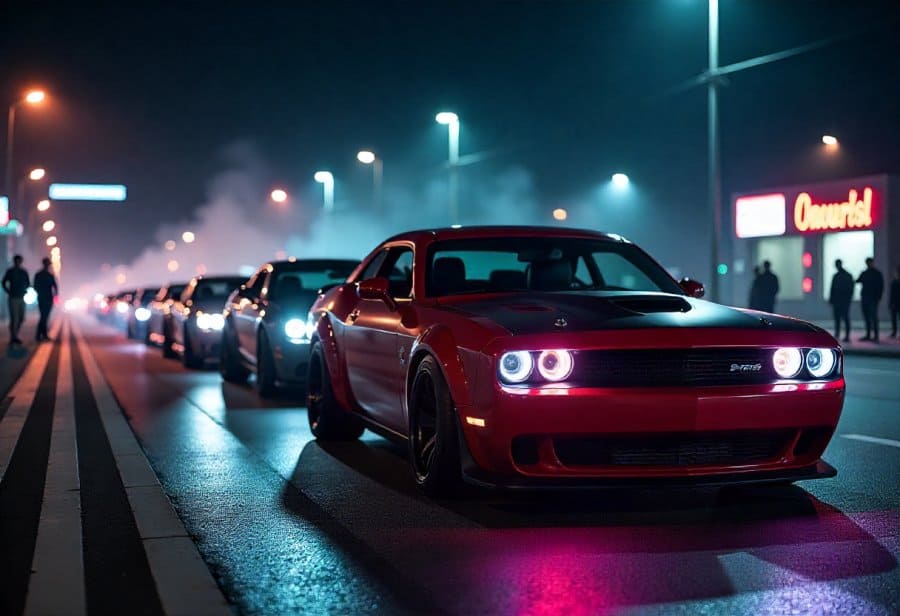
At the heart of underground street racing lie values that transcend mere speed and daring stunts. Loyalty is the cornerstone—racers see their crews as family, built on unwavering trust and mutual support. This bond extends beyond the immediate thrill of racing; it involves protecting one another outside the streets, sharing secrets, and standing by each other through legal troubles or setbacks. Loyalty transforms fleeting encounters into lifelong commitments, creating a sense of belonging that’s hard to find elsewhere.
Respect weaves itself into every aspect of the scene. Racers understand unspoken codes—acknowledging skill, fair play, and the craft of racing. Whether executing a perfect drift or making a clean pass, earning and giving respect reinforces a culture of healthy competition. This mutual regard encourages growth, pushing everyone to improve without hostility or arrogance, fostering an environment where mastery is celebrated and camaraderie thrives.
The drive for mastery and innovation fuels the culture. Racers dedicate countless hours tuning and customizing their cars, seeking small improvements that can make a big difference. Modifications become more than performance boosts—they’re symbols of identity and loyalty. Unique paint jobs, decals, and custom parts tell stories about the driver and their crew, reinforcing pride and a sense of belonging. This relentless pursuit of perfection feeds into a shared pride that bonds the community tighter with each upgrade.
Responsibility and safety are also woven into this high-octane environment. Experienced racers mentor newcomers, emphasizing the importance of proper driving techniques and car handling. Even amid the rush of reckless speeds, there’s an understanding that looking out for one another is essential. These unspoken rules and rituals—handshakes, signals, pre-race routines—serve as symbols of trust and belonging, passed down through generations to preserve the integrity of the community.
Together, these core principles—loyalty, respect, mastery, and responsibility—form the backbone of street racing culture. They ensure that, despite external pressures and risks, the scene remains resilient and close-knit. More than just a pursuit of speed, it’s a way for participants to forge bonds rooted in shared values, transforming fleeting moments of velocity into enduring kinship. This collective philosophy keeps the spirit of underground racing alive, fueling a brotherhood that endures beyond the roar of engines.
More Than Speed: How Racing Builds Unbreakable Bonds
Underground street racing is about more than just pushing cars to their limits; it forges bonds that go far beyond the asphalt. The late-night sessions, shared adrenaline, and common risks create a sense of brotherhood that lasts long after the engines fall silent. Racers rely on each other’s trust, knowing they’re facing danger side by side, which turns fleeting rivals into lifelong friends.
Support is a core part of this scene. Whether it’s helping a teammate troubleshoot a tricky modification or backing them up during a risky race, these acts build a deep sense of loyalty. The camaraderie extends into everyday life—sharing tips, celebrating each other’s victories, and comforting setbacks. These shared experiences weave a network of support rooted in mutual respect and care.
Night racing sessions become almost sacred rituals that reinforce this bond. Engines roar into the darkness, but what matters most is the trust among those involved. Crews work together in dimly lit garages, exchanging secrets about tuning and driving techniques. Over time, these small acts of support and shared knowledge turn into lifelong connections, creating a family that understands each other’s struggles and ambitions.
Unspoken customs—handshakes, signals, pre-race routines—serve as symbols of trust. These rituals, passed down through generations, help newcomers earn their place and deepen their sense of belonging. Respect for these traditions affirms their commitment to the community’s values, ensuring that loyalty and kinship remain at the heart of the scene.
Loyalty runs deep in this underground world. Racers depend on each other not just for street races but also for safety and protection outside the streets. Sharing secrets about cars, watching each other’s backs during legal troubles—these acts transform fleeting encounters into a genuine family. It’s a bond built on shared risks and unwavering support, unbreakable even when external pressure mounts.
The relationships formed aren’t just about competition; they become lifelong connections. The moments of trust, support, and shared adrenaline forge a kinship that endures beyond the races. Through these bonds, the scene remains resilient, creating a network of brotherhood that withstands law enforcement crackdowns and societal judgment.
Even in silence, these relationships speak volumes. The trust and camaraderie built during late-night sessions foster a community that feels like home. Racers find belonging not just in their cars, but in the unbreakable ties they share with their crew. This brotherhood, rooted in loyalty and shared passion, is what keeps underground racing alive and thriving.
For those involved, racing is more than a sport—it’s a way of life. It’s about creating a family in the shadows, bonded by speed, trust, and loyalty. These connections turn fleeting moments of velocity into enduring relationships, making underground street racing a scene defined by unbreakable kinship and shared purpose.
Beyond the Race: The Lasting Power of Brotherhood in Street Racing
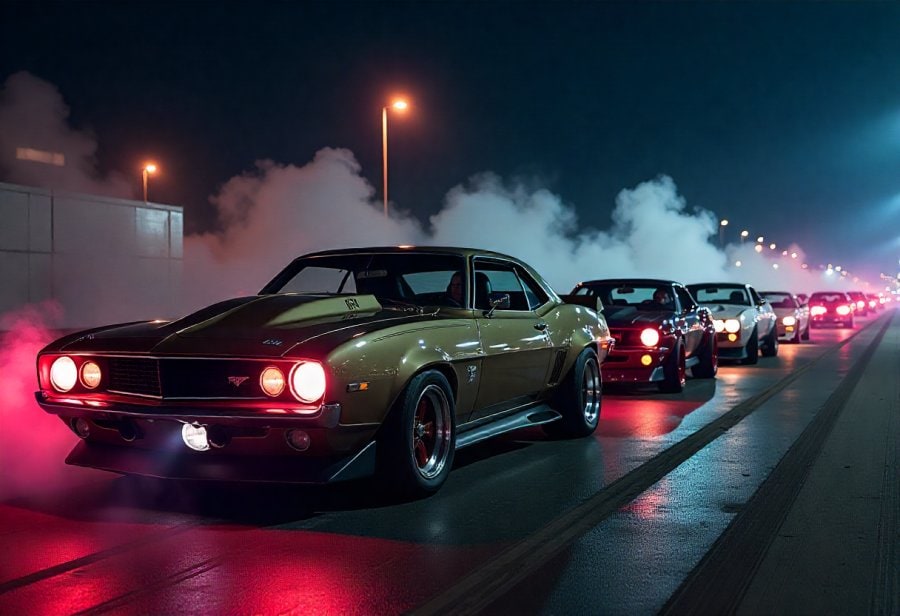
Underground street racing is about more than just the rush of speed; it’s a scene that forges bonds stronger than the asphalt beneath them. These late-night sessions become moments of genuine connection, built through shared risks, secret routines, and unwavering support. The friendships formed in the heat of competition often outlast the races themselves, transforming fleeting rivals into lifelong family members bonded by a common passion for adrenaline and loyalty.
In the darkness, engines roar and tires grip the pavement, but what truly matters is the trust among those involved. Racers depend on each other’s support—whether it’s tuning tips, backup during risky runs, or simply standing together in the face of legal threats. These acts of camaraderie create a resilient network, one rooted in loyalty and mutual respect that can withstand external pressures and law enforcement crackdowns. It’s a bond that’s built on shared dangers and collective resilience.
The deeper significance of underground racing lies in how it turns fleeting moments of velocity into lasting relationships. Supportive gestures—passing down secrets, celebrating victories, comforting setbacks—become the threads that weave a community stronger than any individual. These bonds give participants a sense of belonging they struggle to find elsewhere, offering a refuge where loyalty and kinship outweigh societal judgment.
Beyond the thrill of pushing limits, street racing creates a family—one forged in the shadows, driven by trust and shared purpose. The customs, signals, and rituals serve as daily reminders of their unbreakable connection. Newcomers earn their place through respect and dedication, learning that loyalty isn’t just a word but a way of life. This culture becomes a sanctuary for those seeking identity, belonging, and an outlet for their rebellious spirit.
The stories of brotherhood are woven into every custom and every race, echoing through generations. Even when engines fall silent and streets quiet down, these relationships endure, rooted in the loyalty that was tested and strengthened in moments of risk. It’s in these bonds that the true power of underground racing reveals itself—a community that refuses to fade away, united not just by speed but by an unbreakable kinship.
To many involved, racing isn’t merely a sport; it’s a way to carve out space for connection in a world that often feels disconnected. It’s about creating something lasting in the fleeting moments of velocity—a family bound by shared passion, trust, and resilience. These relationships transform adrenaline-fueled nights into lifelong stories of loyalty, respect, and brotherhood.
In the end, the culture of underground street racing is a testament to the human desire for belonging. It shows how rebellion and risk can forge powerful bonds that transcend the pursuit of speed. The brotherhood built in these shadows isn’t just about racing; it’s about finding a place where loyalty and kinship thrive, turning fleeting moments into lifelong ties that keep the spirit alive long after the engines have fallen silent.