Is Cleopatra’s enduring legacy rooted in beauty and romance, or does her true power lie in her extraordinary intellect and strategic mastery? Far beyond Hollywood’s glamorized image, this formidable Egyptian ruler was a scholar, diplomat, and master tactician who navigated turbulent political waters with resilience and wisdom. Multilingual, well-educated, and deeply cultural, she understood that influence stemmed from knowledge, diplomacy, and cultural symbolism rather than superficial charm. Her alliances with Rome’s Julius Caesar and Mark Antony were carefully crafted moves to secure Egypt’s independence, illustrating her mastery of soft power and psychological insight. Recognizing her as a visionary thinker shifts our view of leadership from fleeting glamour to lasting influence rooted in intelligence, resilience, and adaptability. Could her greatest legacy be the profound demonstration that true power resides within the mind? This compelling portrait invites us to reevaluate the essence of leadership and the timeless importance of intellectual strength.
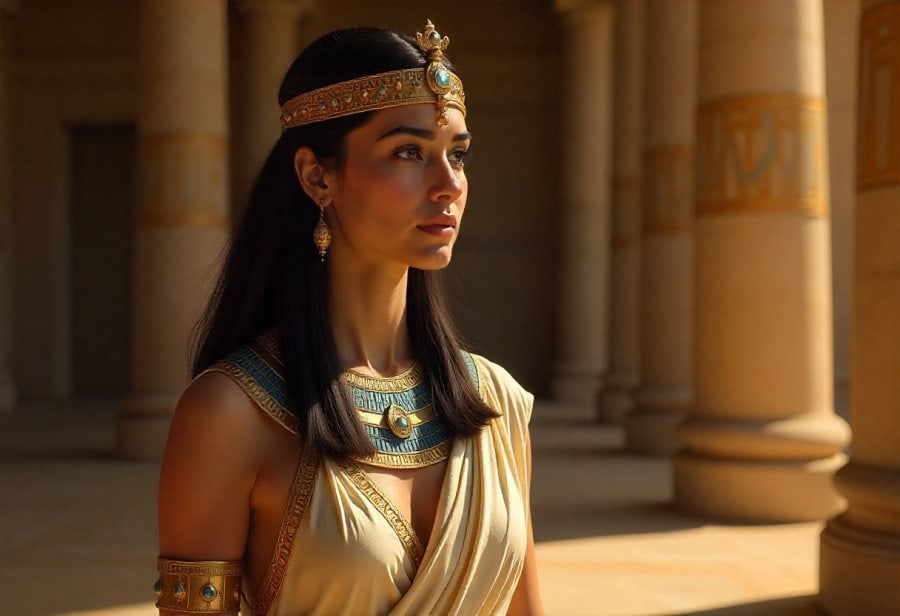
Uncovering Cleopatra’s True Legacy Beyond Beauty and Romance
Cleopatra VII is often remembered through images of beauty and romance popularized by Hollywood, but her true legacy extends far beyond those portrayals. As the last active ruler of Egypt, she was a master strategist, a scholar, and a leader whose strength lay in her intelligence and political skill. Her ability to navigate a complex world of internal dynastic struggles and external threats from Rome highlights a mind honed for leadership and diplomacy. Cleopatra’s influence was rooted in her capacity to forge alliances, manage rivalries, and maintain Egypt’s independence amid the expanding reach of empire.
Her reputation as a beauty and seductress has overshadowed her remarkable intellect, yet her power came from her sharp mind and political insight. Cleopatra was multilingual, well-educated, and deeply curious about philosophy, science, and literature. This scholarly background allowed her to communicate directly with foreign leaders, scholars, and advisors—giving her a significant edge in negotiations and diplomacy. Her ability to adapt her messaging to different audiences and cultural contexts made her a formidable negotiator and a respected leader, demonstrating that influence often stems from knowledge and strategic thinking rather than superficial charm.
Throughout her reign, Cleopatra demonstrated a rare talent for balancing tradition with innovation. She understood the importance of cultural symbolism, often aligning herself with Egyptian religious and cultural traditions to legitimize her rule. Simultaneously, she promoted scholarship, arts, and sciences, positioning herself as a protector of knowledge and learning. This deliberate blend of cultural authority and intellectual curiosity was a strategic move to bolster her legitimacy and foster loyalty among her people. Cleopatra’s leadership exemplifies how true influence comes from wisdom, resilience, and the ability to adapt.
Her strategic alliances with Rome’s most powerful figures—Julius Caesar and Mark Antony—further showcase her diplomatic mastery. These relationships weren’t merely personal but carefully calculated moves designed to secure her throne and Egypt’s independence. Cleopatra’s skill in managing these alliances, navigating shifting loyalties, and projecting strength through her image helped her survive turbulent times. Her story underscores that diplomacy and alliance-building remain vital tools for effective leadership, especially in a world where power is often fleeting.
Recognizing her as a brilliant tactician rooted in her intellect shifts the focus from superficial images to the qualities that truly defined her leadership. Cleopatra’s legacy is a testament to the power of a sharp mind—her multilingual abilities, scholarly pursuits, and diplomatic finesse allowed her to shape history in ways that outlived her reign. Her influence was built on intelligence, resilience, and cultural awareness—traits that continue to inspire those who understand that the true crown of leadership is held in the mind.
Foundations of Power: Egypt’s Complex Political Landscape
Cleopatra VII’s rise to power unfolded amid a backdrop of political upheaval and cultural complexity. Her family, the Ptolemaic dynasty, descended from Macedonian Greek generals who took control of Egypt after Alexander the Great’s empire fragmented. When Ptolemy I Soter declared himself Pharaoh around 305 BCE, he established a ruling line that fused Greek traditions with Egyptian religious and cultural symbols. This dual identity defined Cleopatra’s world—she inherited a legacy shaped by both Hellenistic influence and Egyptian sovereignty.
Over generations, internal rivalries and external threats kept the dynasty’s stability in constant question. Marriages within the family were common, intended to consolidate power but often fueling factional disputes. Cleopatra grew up navigating this web of intrigue, where political cunning and strategic alliances were essential for survival. Her ancestors’ history of betrayals and power struggles prepared her for the complex game of diplomacy she would master later as ruler.
Egypt’s political landscape during her reign was equally intricate. The Ptolemies emphasized Greek governance and customs, yet they understood the importance of Egyptian religious legitimacy. Cleopatra skillfully balanced these influences, aligning herself with Egyptian gods and religious traditions to bolster her authority. Her ability to appeal to both Greek elites and native Egyptians helped her forge a broad base of loyalty in a diverse and often divided kingdom.
Multilingual from an early age, Cleopatra spoke Egyptian, Greek, and Latin fluently. This linguistic prowess enabled her to communicate directly with foreign leaders, bypassing intermediaries and building trust through cultural understanding. Her diplomatic moves—marriages and alliances with Rome’s Julius Caesar and Mark Antony—were carefully calculated to secure her throne and defend Egypt’s independence amidst regional chaos.
Her leadership style reflected a deep understanding of cultural diplomacy and adaptability. Cleopatra mastered the art of influence, using symbols, religious authority, and strategic partnerships to maintain control. She recognized that real power extended beyond military might and relied heavily on soft power—wisdom, perception, and the ability to read her environment—laying a foundation that would define her legacy as one of resilience and intelligence.
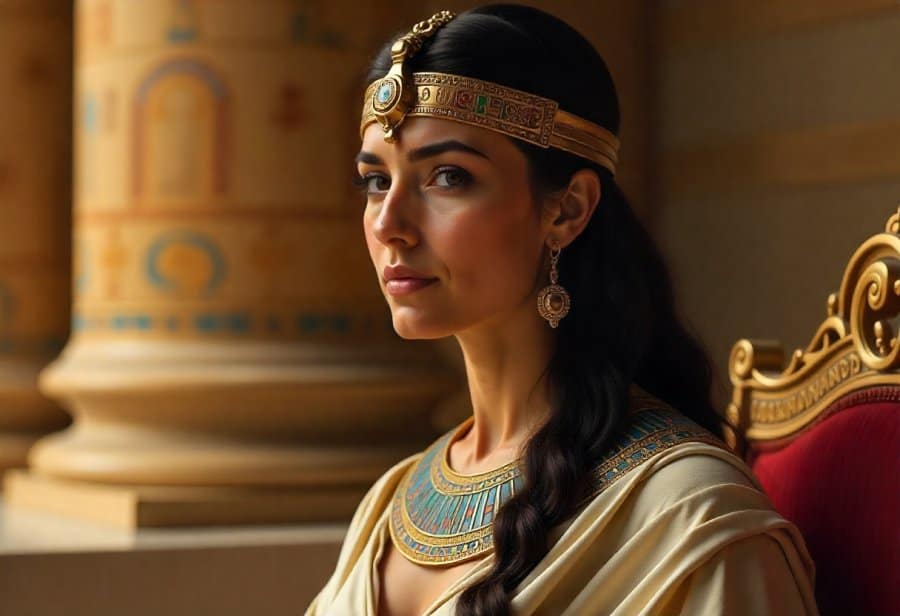
Mastermind of Diplomacy and Scholarship: Cleopatra’s Strategic Genius
Cleopatra’s leadership was defined by her ability to seamlessly blend diplomacy, intelligence, and scholarship into a cohesive strategy that kept her in power. Unlike many rulers who relied solely on military might or brute force, she understood that influence often stemmed from cultural finesse and strategic communication. Her partnership with Julius Caesar, for example, wasn’t just a personal alliance but a carefully crafted move to restore her throne and protect Egypt’s sovereignty. Her linguistic fluency and deep understanding of different cultures enabled her to negotiate effectively across boundaries that many of her contemporaries could not navigate.
Her strategic mastery extended beyond diplomatic marriages and alliances. Cleopatra was a keen manipulator of her own image, using propaganda—regal symbols, iconography, and carefully staged appearances—to reinforce her authority and divine status. She positioned herself as both a political and spiritual leader, cultivating loyalty through her association with Egyptian religious traditions while simultaneously promoting arts, sciences, and scholarship. This dual approach helped legitimize her rule and foster a sense of stability in an unstable region.
In her diplomatic efforts, Cleopatra demonstrated remarkable cultural sensitivity. She adapted her messaging depending on her audience—whether Egyptian priests, Greek elites, or Roman generals—showing a level of political sophistication rarely seen in her era. Her marriages and alliances with Rome’s key figures weren’t merely personal choices but calculated strategies aimed at consolidating power and safeguarding Egypt’s independence. Her ability to read her environment and adjust her tactics kept her steps ahead of rivals, illustrating her sharp understanding of influence as a form of soft power.
Ancient texts like Plutarch’s “Life of Antony” and Cassius Dio’s Roman History depict Cleopatra as a leader of charisma and intelligence. Coins and inscriptions from her reign emphasize her divine authority and connection to Egyptian tradition, reinforcing her image as a wise and formidable ruler. Modern scholars highlight her multilingual abilities and patronage of learning, painting a picture of an educated, forward-thinking monarch who valued wisdom as a political tool. Her governance was a delicate dance of political strategy and cultural patronage—an artful combination that sustained her influence.
Some critics see her reliance on Roman alliances as limiting her independence, but this view underestimates her skill in turning external support into an extension of her own strategic goals. Cleopatra’s ability to leverage her knowledge, language skills, and cultural authority transformed her alliances into powerful tools for maintaining her reign. Her leadership relied on mental agility, cultural insight, and the capacity to manage perceptions—traits that made her a master tactician deeply rooted in her intellectual pursuits.
Her mastery of diplomacy and scholarship exemplifies a leadership style rooted in soft power. Cleopatra understood that influence was most enduring when based on trust, perception, and knowledge—qualities she cultivated through her patronage of arts, sciences, and religious symbolism. Her influence extended beyond immediate political gains, shaping her legacy as a ruler who valued wisdom and resilience over superficial glamour. This approach not only secured her position but also left a lasting imprint on history, showing that true power often resides in the mind.
Cleopatra’s story offers a timeless lesson: leadership built on strategic intelligence, cultural awareness, and adaptability can withstand the tests of time. Her example encourages modern leaders to prioritize education, emotional insight, and resilience as core qualities. By recognizing that influence stems from within—through wit, wisdom, and the ability to adapt—her legacy remains a compelling model for effective leadership. Her true crown was her intellect, and through it, she shaped history in ways that continue to inspire today.
Timeless Leadership Lessons from Cleopatra’s Resilience and Wisdom
Cleopatra’s leadership offers lessons that remain strikingly relevant today. Her ability to combine intelligence, diplomacy, and resilience provides a timeless blueprint for navigating complex challenges in any era. Modern leaders can draw inspiration from her example by valuing education and cultural awareness as powerful tools for influence and change. Building genuine relationships based on trust and mutual understanding continues to be essential, whether in politics, business, or community leadership.
Her strategic alliances with figures like Julius Caesar and Mark Antony highlight the importance of relationship-building and negotiation. Today, fostering strong partnerships—whether with colleagues, stakeholders, or international allies—can have a profound impact. Developing emotional intelligence helps leaders understand different perspectives and craft messages that resonate, much like Cleopatra did through her multilingual skills and cultural sensitivity.
Resilience is another key trait Cleopatra exemplified. She faced internal rebellions, external invasions, and shifting political landscapes, yet her ability to adapt turned setbacks into opportunities. Her example shows that setbacks are not the end but moments to reassess and strengthen one’s position. Leaders who embrace flexibility and learn from adversity often emerge stronger, just as Cleopatra did in her turbulent times.
Continuous learning was central to her approach. Cleopatra’s curiosity about diverse cultures, philosophies, and sciences enriched her decision-making and broadened her worldview. Today, staying curious and open-minded enables leaders to innovate and respond effectively to rapid change. Cultivating a mindset of lifelong learning ensures that influence is sustained through knowledge and adaptability.
Effective communication, paired with cultural intelligence, remains vital. Cleopatra understood how to tailor her messages to different audiences, fostering trust and loyalty across diverse groups. Modern leaders can emulate this by mastering storytelling and narrative-building techniques that motivate teams and shape opinions. Influence depends as much on perception as on substance.
Her mastery of soft power—using symbols, religious authority, and cultural patronage—demonstrates that influence extends beyond formal authority. Leaders today can harness storytelling, shared values, and cultural understanding to inspire loyalty and foster community. Soft skills like empathy, diplomacy, and cultural awareness become powerful tools in building lasting influence.
Cleopatra’s legacy encourages us to prioritize ethics, wisdom, and resilience in leadership. Her example reminds us that influence built on a foundation of knowledge and integrity is more enduring than superficial fame or fleeting power. Investing in personal growth, emotional insight, and strategic thinking creates a durable impact that transcends generations.
Ultimately, her story shifts the focus from superficial glamour to inner strength. Cleopatra’s influence stemmed from her intellect, cultural insight, and resilience—qualities that continue to define effective leadership today. Her example inspires us to value the power of the mind and heart, cultivating the soft skills necessary to lead with purpose and authenticity in an ever-changing world.
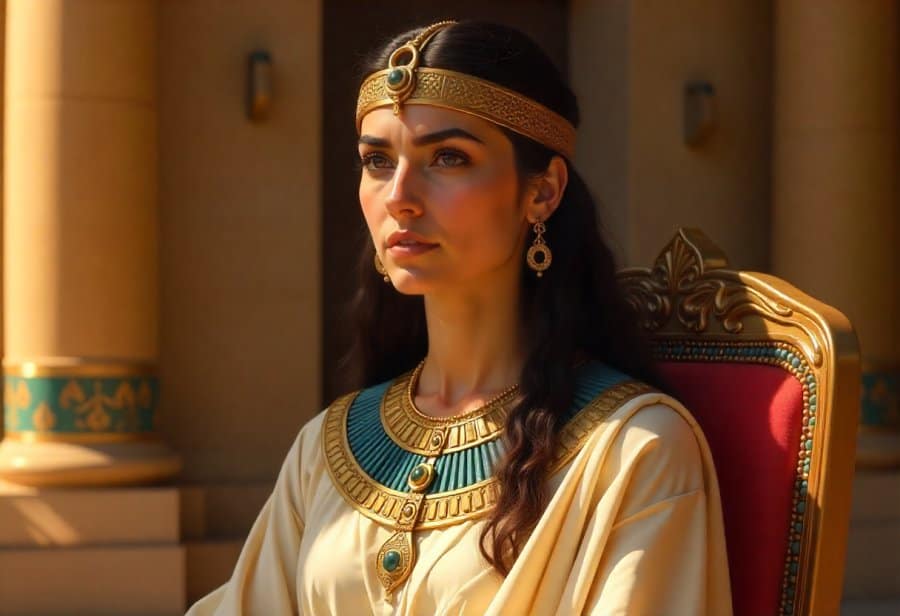
Reevaluating Cleopatra’s Crown: The Power of Intelligence and Inner Strength
Cleopatra’s true crown was never her beauty or her alliances alone, but her exceptional intellect. Her sharp mind, diplomatic finesse, and scholarly pursuits allowed her to navigate one of history’s most turbulent worlds with remarkable resilience. It’s her strategic thinking—her ability to adapt, negotiate, and inspire trust—that truly defined her leadership and left a lasting legacy. Recognizing her intelligence as her greatest asset shifts the focus from superficial images to the qualities that made her a formidable ruler, capable of shaping history through wit and wisdom.
Her influence extended far beyond external appearances. Cleopatra understood that power rooted in knowledge and cultural insight was more sustainable than fleeting charm or superficial glamour. Her multilingual abilities, patronage of arts and sciences, and mastery of diplomacy demonstrated that influence comes from an active, engaged mind. Her leadership was built on the ability to think several steps ahead and craft narratives that reinforced her authority, turning perception into power. This mental agility allowed her to maintain Egypt’s independence against overwhelming odds, solidifying her reputation as a ruler of profound intelligence.
Throughout her reign, Cleopatra exemplified resilience and adaptability. She faced internal rebellions, external invasions, and shifting political landscapes, yet she consistently used her wit and strategic insight to transform challenges into opportunities. Her alliances with Julius Caesar and Mark Antony weren’t just personal or political—they were deliberate moves designed to secure her kingdom’s future. Her capacity to read her environment, forge relationships, and project strength through cultural and diplomatic acumen made her a master strategist whose influence endured long after her reign.
Her legacy invites us to value the qualities of strategic thinking, cultural awareness, and resilience in our own lives. In a world of rapid change, Cleopatra’s example reminds us that influence and leadership come from continuous learning and emotional intelligence. Developing these traits enables us to navigate uncertainty with confidence and purpose, much like she did in turbulent times. Her story underscores that true power resides within—the capacity to think, adapt, and lead with integrity—rather than superficial appearances or fleeting fame.
Her story shifts the focus from external glamour to inner strength. Cleopatra’s mastery of diplomacy, language, and cultural symbolism shows that influence is rooted in knowledge and perception. Her ability to leverage soft power and strategic alliances demonstrates that genuine leadership is built from within, grounded in intelligence and resilience. Recognizing her as a thinker and tactician reveals a legacy that endures because she valued the power of her mind—an asset more lasting than superficial allure.
In the end, Cleopatra’s legacy offers a timeless lesson: leadership rooted in intellect and adaptability withstands the tests of time. Her example inspires us to develop our mental strength, pursue lifelong learning, and remain resilient in the face of adversity. Her story reminds us that the most enduring influence comes from within—through strategic insight, cultural understanding, and unwavering resilience. Her true crown was her mind, and through it, she shaped history in ways that continue to inspire us today.