Imagine transforming your outdoor space with smart lighting that seamlessly combines safety, energy efficiency, and style. But are you aware of the common pitfalls that can undermine its effectiveness? From poor sensor placement to incompatible devices, many homeowners inadvertently compromise their systems’ performance and security. This guide reveals the crucial mistakes to avoid during installation and how thoughtful setup can maximize benefits. With advanced technology like timers, motion sensors, and remote control, smart outdoor lighting offers more than just convenience—it creates an environment that’s safer, more inviting, and environmentally conscious. As future innovations promise even smarter, more adaptable solutions—like AI-driven adjustments and eco-friendly solar fixtures—are you ready to embrace the next wave of outdoor illumination? Dive into this essential overview and discover how to harness these cutting-edge tools to elevate your home’s exterior and your lifestyle.
Contents
Transform Your Outdoor Space with Toronto Landscape & Design
Looking to elevate your Toronto outdoor space? Toronto Landscape & Design offers expert services in natural stone installations, water gardens, irrigation systems, and retaining walls. Our award-winning designers take everything into consideration to craft a stunning backyard makeover that perfectly suits your lifestyle. Whether you desire a peaceful backyard retreat or a complete landscape overhaul, our team is dedicated to delivering exceptional results. Trust Toronto Landscape & Design to turn your vision into reality with professional landscaping solutions tailored for Toronto homes. Contact us today at 1.416.644.0499 or email [email protected] to start your transformation.

Transform Your Outdoors: The Power and Promise of Smart Lighting
Smart outdoor lighting has quickly become a staple for modern homeowners seeking a blend of practicality and style. Unlike traditional fixtures that stay on all night or require manual switches, smart systems leverage technology to make outdoor illumination more responsive and effortless. With features like timers, motion sensors, and remote controls, lights can activate only when needed—saving energy and reducing waste—while ensuring pathways and entrances are always well-lit. Managing these systems from your smartphone or via voice commands simplifies the process, whether you’re at home or away, giving you control at your fingertips.
The significance of smart outdoor lighting goes beyond convenience. It enhances security by providing automatic, targeted lighting that deters intruders and illuminates dark corners around your property. Timers and sensors work together to create a responsive environment that balances safety with energy efficiency. This means you can set your lights to turn off during daylight hours or when no movement is detected, minimizing unnecessary power use while keeping your outdoor space secure and inviting.
Additionally, these systems help homeowners lower their environmental footprint. Automated schedules and motion detection prevent lights from running longer than necessary, cutting down on electricity consumption and supporting sustainability efforts. This not only translates into lower utility bills but also aligns with eco-conscious living. The ability to control lighting remotely adds an extra layer of flexibility, allowing you to turn lights on before arriving home or ensure your garden is lit up for outdoor gatherings—without leaving your couch.
Aesthetics are also an important aspect of smart outdoor lighting. Thoughtfully placed fixtures can highlight architectural features, landscaping, or pathways, enhancing curb appeal. The ability to adjust brightness and color temperature allows you to craft the perfect ambiance for relaxing evenings or lively parties. When integrated thoughtfully, these lighting systems become part of your home’s overall design—functional, stylish, and tailored to your lifestyle.
As outdoor spaces become more connected through smart technology, understanding how these systems work is essential. They offer a practical way to improve safety, boost energy savings, and add a modern touch to your home’s exterior. With ongoing advancements, smart outdoor lighting will continue to evolve, becoming even smarter, more adaptable, and seamlessly integrated into our daily routines—making outdoor living safer, more convenient, and more enjoyable.
Unveiling the Technology Behind Smart Outdoor Illumination
Smart outdoor lighting systems are built on a foundation of advanced digital technology that makes automation, remote control, and customization possible. At the core are smart bulbs or fixtures connected to your Wi-Fi network or a dedicated hub, enabling seamless communication between devices. This connectivity allows you to manage your outdoor lights from anywhere using smartphone apps or voice assistants like Alexa and Google Assistant. With just a few taps or voice commands, you can adjust brightness, set schedules, or turn lights on and off, making outdoor lighting effortless and intuitive.
Sensors play a crucial role in adding intelligence to these systems. Motion detectors activate lights when movement is detected nearby, providing immediate illumination for pathways and entry points. Ambient light sensors assess natural daylight levels, dimming or brightening fixtures accordingly to optimize lighting without wasting energy. Together, these sensors create a responsive environment that adapts to your needs, whether it’s providing subtle lighting for relaxing evenings or bright illumination for safety and security.
Remote access enhances convenience, allowing you to control your outdoor lighting from anywhere using your smartphone. You can turn lights on before arriving home, check if your garden is lit, or adjust settings on the fly—no need to be physically present. Voice commands further streamline control, letting you ask your virtual assistant to turn on the porch lights or dim the backyard for a cozy evening. This hands-free approach simplifies managing your outdoor space and integrates smoothly into your daily routine.
The placement and design of fixtures are just as important as their technological features. Proper positioning ensures comprehensive coverage, avoiding dark spots or false triggers caused by obstacles like trees or fences. Adjustable brightness and color temperature options enable you to create different moods and highlight architectural features or landscaping. Thoughtful placement and customizable settings help your outdoor lighting blend seamlessly with your home’s aesthetic while fulfilling functional needs.
As technology continues to evolve, smart outdoor lighting systems are becoming more sophisticated and user-friendly. Advances in connectivity, sensor accuracy, and energy management mean these systems are more reliable and efficient than ever. Integration with broader smart home ecosystems is on the rise, allowing outdoor lighting to work in harmony with security cameras, doorbells, and thermostats. This interconnected approach makes managing your outdoor environment simpler and more cohesive.
In essence, understanding the technological components behind smart outdoor lighting helps homeowners make informed choices. These systems combine hardware and software to deliver convenience, safety, and energy savings, transforming outdoor spaces into smart, responsive environments. As the tech advances, expect even smarter features and more seamless integration, making outdoor lighting an integral part of modern home living. Trust experts with your landscaping project—contact [email protected], phone 1.416.644.0499, or explore Toronto Landscape Design.
Avoid Common Pitfalls: Expert Tips for Perfect Smart Outdoor Setup
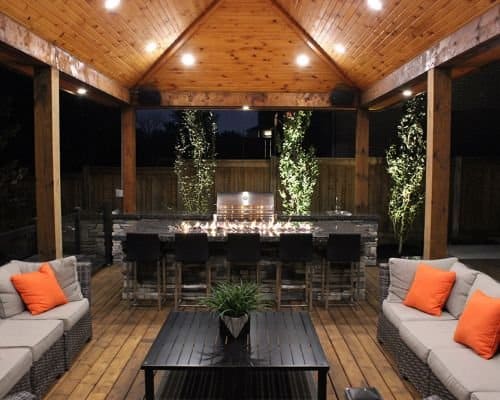
One common mistake homeowners make when installing smart outdoor lighting is poor placement of sensors and fixtures. If sensors are installed too high, too low, or behind obstacles like trees or fences, they often fail to detect movement effectively. This can lead to lights not activating when needed or triggering false alarms, which diminishes their usefulness and causes frustration. Similarly, placing lights in shaded areas or behind landscaping reduces their ability to properly illuminate pathways, entrances, and dark corners. Thoughtful placement is essential to maximize both safety and efficiency.
Another frequent error involves wiring and power supply issues. Using inadequate wiring—such as wrong gauge or poor connections—can cause flickering, dimming, or even system failures. Many homeowners underestimate the power requirements of their setup, leading to insufficient voltage reaching fixtures. Poor wiring not only hampers performance but could also pose safety risks, especially if outdoor wiring isn’t weatherproofed or protected from the elements. Proper electrical planning and quality materials are crucial to ensure reliable operation.
Compatibility problems are also common. Homeowners often buy smart devices from different brands or ecosystems without verifying if they work together seamlessly. This mismatch can cause connectivity hiccups or limited control options, turning a straightforward upgrade into a hassle. For instance, a smart bulb that doesn’t support your preferred voice assistant or app can complicate your setup and diminish the convenience you seek. Checking compatibility before installation helps prevent these issues and ensures a smooth user experience.
The design and placement of fixtures matter just as much as their technical setup. Poorly positioned lights can create uneven illumination, with dark spots or glare that compromise safety and aesthetics. Fixtures with adjustable brightness and color temperature should be used thoughtfully to highlight key features or pathways, rather than adding lights without purpose. Properly integrated lighting not only improves security but also enhances the visual appeal of your outdoor space.
Weatherproofing and durability are often overlooked during installation. Outdoor fixtures must be rated for exposure to rain, snow, and temperature changes. Installing non-weatherproof fixtures or neglecting proper sealing can lead to corrosion, malfunction, or early failure, resulting in higher maintenance costs. Using weather-resistant components and planning for protection against the elements ensures your system remains reliable over time. Rushing the installation or skipping this step can undermine the long-term effectiveness of your smart outdoor lighting system.
Unlock the Full Potential of Smart Outdoor Lighting for Safety, Convenience, and Style
To fully harness the advantages of your smart outdoor lighting system, start by setting up automated routines that align with your daily schedule. Timers paired with motion sensors create a responsive environment that turns on lights only when needed, reducing unnecessary energy use while maintaining safety. For example, scheduling pathway lights to activate at dusk and turn off after midnight ensures your outdoor spaces are illuminated during peak hours without waste. When motion detection is integrated, the system will automatically brighten dark corners or entry points as you approach, deterring intruders and guiding guests safely along walkways.
Controlling your outdoor lighting remotely through smartphone apps or voice commands adds a layer of convenience that transforms how you manage your space. Arrive home after a long day and ask your virtual assistant to turn on the porch lights, or check your phone to confirm your backyard is lit before stepping outside. This level of control means you can adapt lighting scenes instantly—whether it’s a cozy, dim glow for relaxing evenings or bright illumination for outdoor entertaining—without leaving the comfort of your couch.
Smart outdoor lighting significantly enhances safety by providing automatic illumination where and when it’s needed most. Lights that activate upon detecting movement help illuminate dark pathways and entrances, minimizing trip hazards and making your home less attractive to potential intruders. When combined with scheduled lighting routines, these features create a constant, reassuring presence that maintains visibility and security, even when you’re away. This proactive approach transforms your outdoor space into a safer environment, giving you peace of mind.
Beyond safety, the ability to customize lighting moods elevates your outdoor living experience. Fixtures with adjustable brightness and color temperature allow you to craft different atmospheres—soft and warm for intimate gatherings or vibrant and bright for lively outdoor events. Automated scenes can shift lighting throughout the evening, turning a garden into a cozy retreat or a lively party zone with minimal effort. This flexibility encourages more outdoor enjoyment and makes your space feel more personalized and inviting.
Maintaining your system’s optimal performance involves regular updates and mindful adjustments. Firmware upgrades ensure your smart outdoor lighting stays secure and compatible with evolving technology. Periodically re-evaluating sensor placement and fixture positioning helps preserve coverage and prevents false triggers, ensuring your lights respond accurately. Staying engaged with your settings allows you to adapt to seasonal changes and landscaping updates, keeping your outdoor lighting both effective and attractive.
By actively leveraging these smart features, you transform outdoor lighting from a simple utility into a powerful tool for safety, convenience, and ambiance. Thoughtful automation and remote control make daily routines easier, while custom scenes and responsive illumination enhance your outdoor environment’s beauty and security. As technology advances, these systems will become even more intuitive, seamlessly integrating into your lifestyle and elevating your home’s outdoor living experience.

Shaping the Future: Exciting Trends and Innovations in Outdoor Smart Lighting
Future trends in smart outdoor lighting are poised to make these systems even more intuitive, efficient, and seamlessly integrated into our daily routines. Artificial intelligence will play a bigger role, enabling outdoor lighting to learn homeowner habits and automatically adjust settings for both convenience and security. Imagine a system that recognizes your typical arrival times and dims or brightens accordingly, without any manual input. This adaptive technology promises to make outdoor lighting more responsive, blending effortlessly into your lifestyle.
Advances in sensor technology will also redefine how outdoor lighting responds to its environment. Future sensors will be more sensitive and smarter, capable of distinguishing between people, pets, and passing vehicles. This will significantly reduce false triggers and allow for more precise control over brightness and timing. Enhanced environmental awareness means lights can adjust automatically based on natural light levels, ensuring optimal illumination while conserving energy. These smarter sensors will boost safety and extend the lifespan of your system by preventing unnecessary operation.
Solar-powered fixtures are expected to become more prevalent as energy-harvesting tech improves. These fixtures can operate independently of the electrical grid, making installation simpler and more flexible. With advancements in solar efficiency and battery storage, outdoor lighting will become more sustainable, requiring less maintenance and reducing reliance on traditional wiring. This shift toward eco-friendly solutions aligns with broader efforts to create smarter, greener homes and is especially beneficial in remote or off-grid locations.
Integration with broader smart home ecosystems will deepen, creating a more cohesive environment. Future outdoor lighting systems will communicate seamlessly with security cameras, doorbells, thermostats, and other devices. Lights could turn on automatically when security sensors detect movement or change color based on indoor climate settings. This interconnectedness will streamline home management, allowing homeowners to control multiple functions through a single app or voice command, enhancing convenience and security.
Design and aesthetic options will also evolve, offering greater customization. Fixtures will become sleeker and more adaptable, with adjustable brightness, color, and dynamic scene settings tailored to any occasion. Innovative designs will blend seamlessly into landscapes, elevating curb appeal while serving functional purposes. These advancements will make smart outdoor lighting not just a tool for safety and energy savings but a defining feature of your home’s exterior style.
As technology continues to evolve, future systems will be more reliable and easier to use. Improvements in connectivity, sensor accuracy, and energy management will ensure smarter, more responsive outdoor lighting solutions. With ongoing innovations, these systems will integrate effortlessly into our routines, making outdoor spaces safer, more inviting, and environmentally friendly. Embracing these developments now sets the stage for a future where outdoor lighting is smarter, more adaptable, and more aligned with sustainable living.