In a world obsessed with external displays of power—conquests, wealth, and influence—Marcus Aurelius challenges us to reconsider where true strength lies. As a philosopher-king, he exemplified a different kind of mastery: inner discipline, moral clarity, and resilience amid chaos. His reign faced relentless threats—wars, plagues, political unrest—but his unwavering focus on self-control and Stoic virtues became his greatest legacy. This internal resilience wasn’t just a personal virtue; it was the foundation of effective leadership and enduring influence. Today, in an era of rapid change and mounting stress, Marcus’s emphasis on cultivating inner strength through reflection, emotional regulation, and moral integrity remains profoundly relevant. His life invites us to ask: can mastering ourselves be more powerful than external victories? The answer lies in his timeless lesson—that the most enduring power begins inside, guiding us through life’s storms with calm, purpose, and wisdom.
Jump To Section
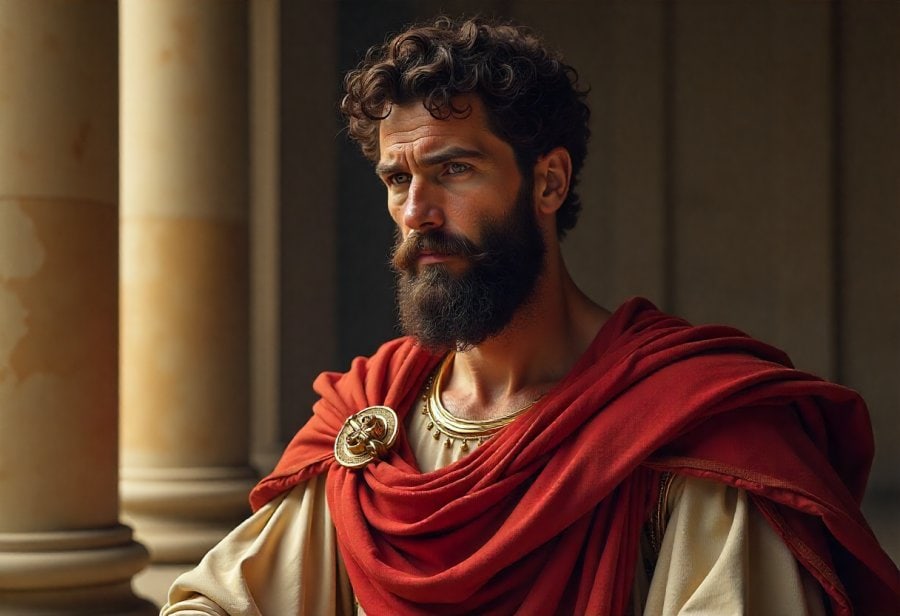
Inner Strength Over External Triumphs: Rethinking Power Through Marcus Aurelius
Throughout history, society has often celebrated leaders for their external achievements—conquering lands, expanding empires, and demonstrating visible power. We tend to equate strength with victory on the battlefield or the accumulation of wealth and influence. But does this outward display truly capture what it means to be strong? Or is there a deeper, more enduring form of power rooted inside a person’s mind and character? This question becomes especially relevant when we look at figures like Marcus Aurelius, whose life challenges us to reconsider what genuine strength really looks like.
Marcus Aurelius’s story suggests that true leadership isn’t just about external triumphs. As a philosopher-king, he prioritized inner discipline, moral clarity, and resilience. While he faced wars, plagues, and internal unrest, he remained steady and composed—traits that speak to a different kind of strength. His writings in Meditations reveal a man committed to mastering his thoughts and emotions, showing that real resilience comes from within. His example encourages us to consider that the most lasting power might lie not in conquest or possessions, but in the ability to govern oneself with calm and wisdom.
This focus on inner strength isn’t just idealistic; it’s a practical approach to leadership and personal growth. External circumstances—wars, political upheaval, crises—are inevitable, but how we respond to them depends on our inner resilience. Marcus’s life demonstrates that cultivating self-control and moral virtue can serve as a steady foundation, even when the world around us is in chaos. His example reminds us that true strength begins inside, rooted in discipline and moral clarity that can withstand any storm.
As we explore Marcus Aurelius’s life and philosophy, the question of where genuine strength lies becomes clearer. His leadership was rooted in inner discipline—an ongoing practice of reflection, emotional regulation, and moral virtue. These qualities helped him face adversity with calm and purpose, proving that inner mastery can be more powerful than external victories. This perspective not only reshapes our understanding of leadership but also offers a timeless lesson: the most enduring strength is cultivated from within.
Navigating Turbulence: The Challenging Reign of Marcus Aurelius
Marcus Aurelius ruled the Roman Empire from 161 to 180 AD, a period marked by both stability and turbulence. His reign faced relentless external threats, especially from barbarian tribes pushing at the empire’s frontiers, demanding constant military vigilance. At the same time, internal crises, notably devastating plagues, swept through Rome and its provinces, stretching resources thin and testing the resilience of leadership. Despite these hardships, Marcus focused on maintaining stability through moral integrity and inner resilience rather than territorial expansion or conquest.
His rise to power was rooted in a strong education and a deep sense of duty. Born into a prominent Roman family, he was mentored by leading philosophers and trained in rhetoric, law, and Stoicism. These influences instilled in him virtues like self-control, patience, and moral clarity—qualities that defined his leadership style. From early on, Marcus internalized the idea that true strength came from within, shaping his calm and measured approach to governance.
Throughout his reign, external pressures persisted. Frequent invasions by barbarian tribes threatened Rome’s borders, while deadly plagues decimated populations and strained the empire’s resources. Internal political factions jostled for influence, adding to the unrest. Yet Marcus responded with a steady resolve, approaching crises with measured calm rather than impulsive reactions. His ability to remain composed under pressure exemplifies how internal strength can serve as a stabilizing force amid chaos.
Stoic philosophy played a central role in Marcus’s leadership. It taught him that external events are beyond our control, but our reactions are within our power. His writings in *Meditations* reflect a deep internalization of this lesson, viewing hardships as opportunities for virtue rather than mere obstacles. This outlook helped him navigate turbulent times without losing moral clarity or emotional balance, reinforcing the idea that genuine strength resides within.
Marcus’s leadership was defined by his emphasis on internal discipline. Even amidst external threats—wars, plagues, political intrigue—he prioritized calm, rational responses rooted in moral virtue. His focus on stability and justice, rather than conquest, demonstrates that lasting influence comes from cultivating inner resilience. His example shows that the true power of a ruler depends on mastery over oneself during times of crisis.
In sum, Marcus Aurelius’s reign illustrates how internal discipline and moral clarity form the foundation of effective leadership. His life reveals that external challenges are inevitable, but a steady, resilient mind can turn adversity into an opportunity for growth. His legacy reminds us that genuine strength isn’t measured by territory or wealth but by the mastery of one’s inner world—an enduring lesson for leaders and individuals alike.
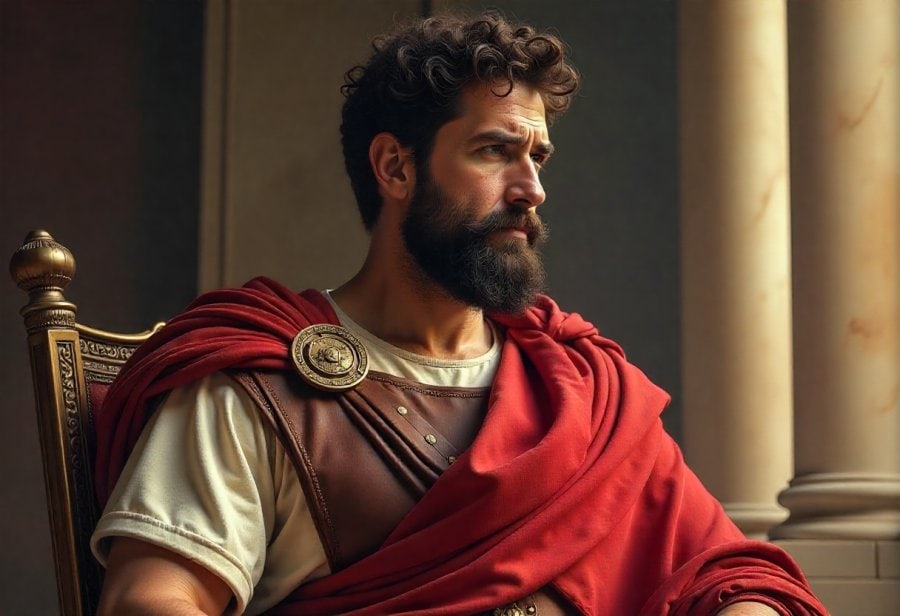
Cultivating Resilience: Marcus Aurelius’s Practice of Inner Discipline
Throughout his reign, Marcus Aurelius demonstrated that inner discipline could serve as a personal fortress amid external chaos. Despite ongoing wars, devastating plagues, and political unrest, he maintained a steady focus on self-control and virtue. One of his most powerful tools was regular reflection, captured in his *Meditations*. These notes weren’t meant for others but as daily mental exercises—reminding himself to accept what he couldn’t change, control his reactions, and act with integrity. This consistent practice built a resilient mindset that allowed him to stay calm even when everything around him seemed to be falling apart.
His writings reveal a man committed to self-mastery. Every day, Marcus reminded himself that external events are beyond his control, but his responses are within his power. Whether facing military setbacks or personal loss, he saw hardships as opportunities to practice virtue. His ability to remain centered wasn’t accidental; it was cultivated through deliberate reflection, perspective-taking, and patience. This disciplined approach helped him meet each challenge with clarity rather than panic or impulsiveness, which could have made chaos worse.
Marcus’s practice of inner discipline also involved actively managing his emotions. He understood that reactions like anger or frustration could cloud judgment and weaken his moral resolve. His meditative reflections often focused on tempering passions, recognizing that emotional reactions could derail his sense of duty. By training himself to respond with reason, he preserved his integrity and maintained the trust of those around him. This emotional resilience, born from disciplined thought, became a cornerstone of his leadership, allowing him to lead with calm and confidence.
Practicing inner discipline was an active, ongoing process. Marcus immersed himself in daily reflection, emotional regulation, and moral clarity—habits anyone can adopt. His life shows that mastering thoughts and reactions, especially during turbulent times, creates a personal anchor. Such resilience isn’t about suppressing feelings but about understanding and directing them. Cultivating this internal strength turned him into a leader who could navigate storms with quiet confidence, demonstrating that mastery over oneself is the most effective form of leadership.
Marcus’s example reminds us that inner discipline isn’t reserved for philosophers or rulers. It’s accessible to anyone willing to develop self-awareness and emotional control. Daily practices like journaling, mindfulness, or simply pausing to reflect can reinforce a resilient mindset. Over time, these habits strengthen our ability to stay calm and clear-headed, even when external circumstances are challenging. Developing this internal resilience allows us to act ethically and thoughtfully, rather than react impulsively, shaping a steadiness that endures beyond external upheavals.
Timeless Lessons for Today: Inner Resilience in Modern Leadership and Life
Today, the lessons from Marcus Aurelius’s emphasis on inner discipline remain strikingly relevant. In a world characterized by rapid change, constant stress, and unpredictable challenges, developing self-awareness and emotional regulation isn’t just helpful—it’s essential. Leaders across industries often talk about resilience, but true strength comes not from external displays of power, but from cultivating an inner resilience rooted in habits like reflection, mindfulness, and moral clarity. These qualities build a mental fortress that helps us navigate crises and setbacks with steadiness and purpose.
Practicing inner discipline isn’t reserved for philosophers or rulers; it’s a practical tool for anyone. Developing mental resilience allows us to manage stress more effectively, stay calm under pressure, and make clearer decisions. Simple routines like journaling, deep breathing, or aligning our actions with core values reinforce this resilience daily. Rooted in Stoic principles, these habits foster a mindset that responds thoughtfully rather than impulsively, creating a sense of stability amid chaos.
In leadership, this inner resilience fosters trust and consistency. When leaders remain calm and centered during turbulent times, they inspire confidence in those around them. They show that strength isn’t about always having the perfect answer or controlling external circumstances but about maintaining internal clarity and moral integrity regardless of external chaos. By leading with calm and purpose, they encourage others to develop their own resilience, creating a ripple effect of steadiness and trust.
On a personal level, embracing inner discipline transforms how we face setbacks. Instead of feeling overwhelmed, we learn to see difficulties as opportunities for patience, humility, and growth. Focusing on what we can control—our reactions and choices—restores a sense of agency, even when external situations seem beyond reach. This shift in perspective is at the core of building lasting resilience that extends beyond fleeting external success.
Building this strength isn’t about perfection or suppression; it’s about consistent effort. Daily reflection, emotional management, and acting in line with our values gradually strengthen a resilient mindset. Over time, these habits make us better equipped to navigate life’s ups and downs with calm and clarity. Marcus Aurelius’s example reminds us that genuine power comes from within—an internal fortress of wisdom and self-control that can withstand any storm.
In today’s fast-paced, uncertain world, adopting these principles isn’t optional; it’s vital. As complexities multiply and stress mounts, the ability to govern ourselves with patience, clarity, and moral steadiness becomes an essential skill. Inner discipline acts as a foundation for authentic leadership and personal growth, helping us remain grounded and resilient no matter what obstacles we face. Marcus’s life offers a timeless blueprint: mastery of the chaos within is the most enduring strength we can develop.
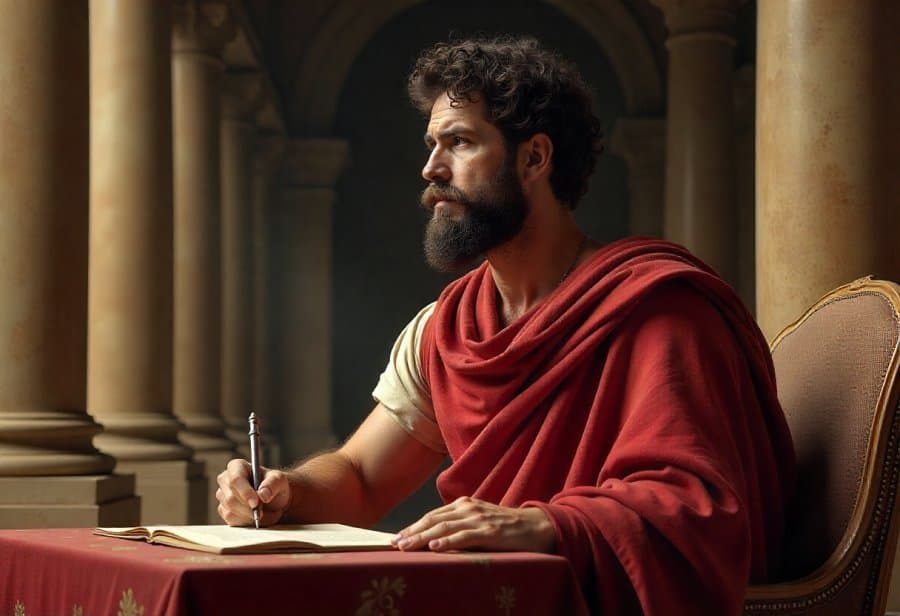
The Lasting Power of Inner Virtue: Embracing Wisdom and Self-Control
True strength, whether in leadership or personal life, ultimately comes from within. Marcus Aurelius’s example shows us that cultivating inner discipline and wisdom builds a foundation capable of withstanding any external chaos. External achievements and victories may fade or be lost over time, but the mastery of oneself leaves a lasting legacy. This internal strength isn’t superficial or fleeting; it’s the result of consistent effort, reflection, and moral clarity that creates resilience rooted in virtue.
What makes this inner strength so vital is its universal accessibility. Anyone willing to develop self-awareness and emotional mastery can begin the journey toward greater resilience. Marcus’s life reminds us that self-control and virtue are not exclusive to rulers or philosophers—they are tools available to everyone. By practicing patience, humility, and mindful reflection regularly, we turn challenges into opportunities for growth. Over time, these efforts forge a resilience that endures beyond external circumstances and fleeting successes.
Inner discipline acts like a quiet, yet powerful, force—governing the chaos within so we can face the chaos outside with steadiness. When leaders and individuals prioritize internal virtues over external validation, they foster trust, consistency, and moral integrity. This approach may lack flash but offers sustainability, building confidence from a deep well of wisdom and self-control that can weather any storm. It’s a strength that remains steady amid life’s uncertainties, guiding us through setbacks and crises with clarity and purpose.
Marcus Aurelius teaches us that true power isn’t about conquering lands or accumulating wealth but about mastering ourselves—controlling passions, maintaining moral clarity, and cultivating discipline. This internal mastery transforms how we navigate adversity, turning obstacles into opportunities for virtue and growth. When we govern the chaos inside, we become better equipped to lead and inspire others through calm, moral steadiness. The most enduring strength is rooted in this inner resilience, which can influence the world far beyond our individual lives.
By embracing this perspective, we reshape our approach to challenges and leadership. Developing inner discipline isn’t a one-time effort but a lifelong journey of self-awareness, patience, and moral effort. It’s a quiet strength that, over time, becomes a powerful force—building resilience capable of weathering any storm and inspiring others to do the same. Marcus Aurelius’s legacy reminds us that the most profound and lasting form of strength begins inside, guiding us through chaos with wisdom and calm.