Learning to ride a bike is more than just mastering balance and pedal strokes; it’s a profound symbol of courage, independence, and family bonding. This journey, filled with wobbles, falls, and triumphant rides, raises a compelling question: does the fear of falling outweigh the thrill of freedom? As children develop physically and emotionally, supportive families foster resilience and confidence, transforming tentative efforts into lifelong lessons about perseverance. Modern trends emphasize safety, gradual skill-building, and innovative tools, making the experience both empowering and secure. The emotional and financial investments parents make reflect the importance of nurturing independence in children, with each wobble becoming a stepping stone toward self-reliance. These shared moments—laden with laughter, patience, and pride—not only create lasting memories but also teach crucial life skills. Ultimately, is the risk of falling worth the joy of riding free? Absolutely—because every wobble is part of the journey toward confidence and resilience.
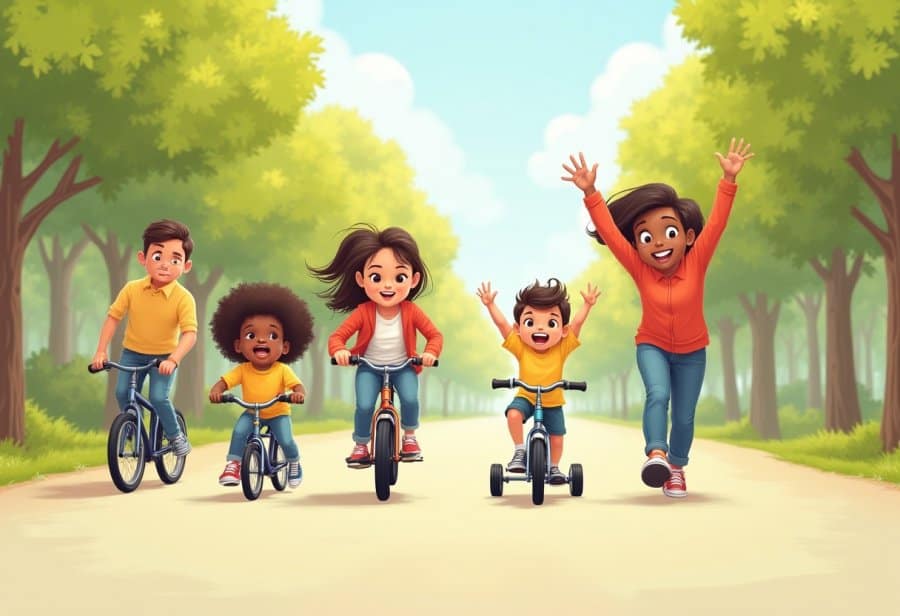
Learning to Ride: A Milestone of Courage and Family Bonding
Learning to ride a bike is more than just picking up a new skill; it’s a milestone that often marks a turning point in childhood and family life. For many kids, that first bike ride is a moment filled with a mix of excitement and nerves—a small step toward independence. For parents, it’s a moment of pride, nostalgia, and sometimes a little anxiety. Watching a child wobble on two wheels for the first time can be both nerve-wracking and heartwarming, but it’s also a shared experience that brings families closer together.
This simple act of learning to balance and pedal symbolizes more than physical coordination. It’s a lesson in courage—facing fears, trying again after falls, and trusting in oneself. Those early attempts often involve some wobbling, near falls, and plenty of encouragement from loved ones. Each wobble becomes a lesson in resilience, each small success a reason to celebrate. The journey isn’t just about riding a bike; it’s about nurturing confidence and perseverance.
Family bonding plays a crucial role in this process. When parents jog beside their children or hold onto the bike, they’re offering more than physical support—they’re providing emotional reassurance. These moments of guiding a child through their first attempts foster trust and create lasting memories. Over time, as kids gain more control and independence, those shared efforts turn into stories of triumph that families cherish and recount for years.
Learning to ride also reflects a universal truth: growth often happens outside of comfort zones. The initial fear of falling can be intimidating, but it’s part of the process of gaining confidence. Kids learn that mistakes and setbacks are simply stepping stones to success. The thrill of finally balancing on two wheels, riding freely without support, is a reward that makes all the wobbling and falling worthwhile.
This milestone is about more than just physical mastery. It’s a symbol of stepping into the wider world with courage and support. The lessons learned during those early rides—patience, persistence, and trust—extend well beyond childhood. They shape how children approach challenges later in life, teaching them that setbacks are temporary and perseverance leads to independence.
The process of learning to ride a bike is, at its core, a shared adventure. It’s about families supporting each other through the nervous moments and celebrating the joyful ones. These experiences create bonds rooted in encouragement and collective effort. They remind us that growth isn’t just about the destination but about the journey itself—one filled with wobbling starts, falls, and ultimately, freedom.
How Children Discover Balance and Confidence
Children learn to ride bikes through a combination of physical growth and emotional readiness that unfolds gradually. As their muscles and motor skills develop, they gain better balance, coordination, and strength, which are essential for staying upright and confident on two wheels. Support from family plays a key role here—encouragement, patience, and reassurance help children feel secure and motivated to practice, turning the learning process into a positive experience. When kids are confident in their physical abilities, riding starts to feel more natural, and they begin to see themselves as capable explorers.
Balance is the foundation of riding. Kids need to master how to stay upright while moving forward, a skill that takes time and repeated practice. Tools like balance bikes emphasize this early step, helping children develop a sense of stability before they move on to pedal bikes. As they practice, they start understanding how their bodies respond to movement, which builds their confidence and prepares them for the next stages of riding. With each successful attempt, children feel more in control, gradually reducing their reliance on supporting hands or guides.
Emotional factors such as fear and hesitation naturally surface when children face this new challenge. Many worry about falling or losing control, which can cause hesitation or anxiety. Parents and caregivers address these fears by acknowledging them and emphasizing that falls are part of learning. Safety gear like helmets and pads provides reassurance, making children more willing to try again after tumbles. Celebrating small victories—like balancing a few seconds longer or pedaling a short distance—helps turn anxiety into motivation, reinforcing that persistence leads to progress.
As children gain more control and confidence, riding transforms from a daunting task into a source of joy. They start to see themselves as independent, eager to explore their surroundings and visit friends on their bikes. This emotional growth—feeling capable and resilient—extends beyond physical skills, shaping how they approach future challenges. They learn that setbacks are temporary and that perseverance can turn initial fears into a sense of achievement. This emotional development is as important as the physical mastery, laying the groundwork for lifelong resilience.
Throughout this journey, the process is about more than just mastering balance and pedaling. It’s an opportunity for children to build trust in themselves, learn patience, and develop perseverance. Each wobble, fall, and triumphant ride teaches valuable lessons about persistence and resilience. Supportive families help turn these moments into bonding experiences, making the learning process memorable and meaningful. Ultimately, learning to ride a bike is a shared adventure that fosters confidence, independence, and a sense of accomplishment—lessons that stay with children long after they’ve left the driveway.
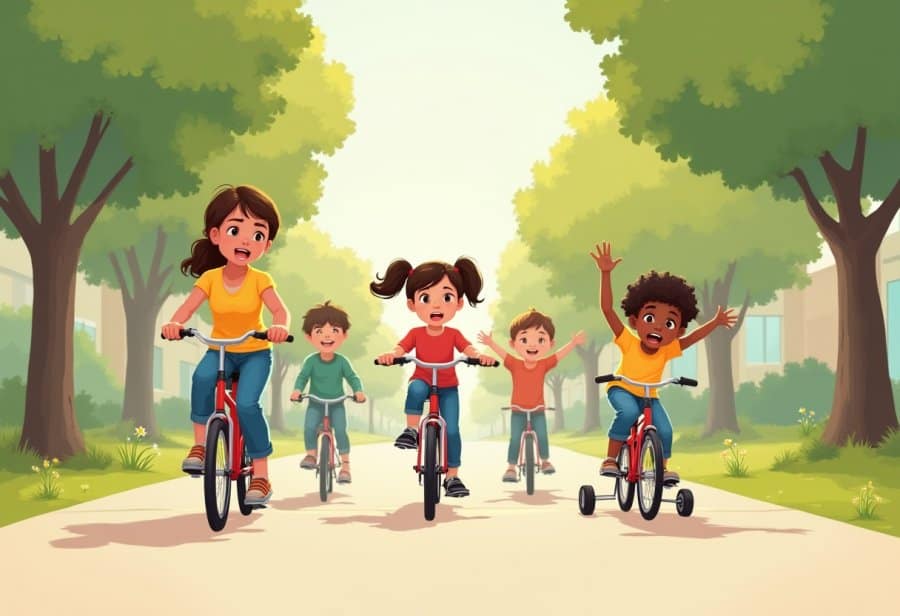
Modern Approaches: Safety, Independence, and Innovation
Today’s methods for teaching kids to ride bikes have evolved to prioritize safety, confidence, and gradual skill-building. Balance bikes have become a popular starting point, focusing solely on mastering balance without the distraction of pedals. This approach allows children to develop stability at their own pace, making the transition to pedal bikes smoother and less intimidating. Many families now prefer these bikes because they promote independence while reducing the pressure often associated with traditional training wheels.
Safety gear is no longer an afterthought but an essential part of learning to ride. Helmets, knee pads, and elbow pads are standard, helping kids explore with confidence and minimizing injury concerns. Society’s attitude toward safety has shifted to embrace adventure within boundaries, recognizing that proper protection encourages kids to push their limits while staying secure. Community programs and local cycling clubs support this mindset, offering structured lessons and group rides that foster camaraderie and reduce fears of falling.
Innovation also plays a crucial role in modern riding education. Some programs incorporate virtual reality simulations or app-based tutorials that allow children to practice riding scenarios in a safe, controlled environment before heading outdoors. Smart helmets and safety devices now monitor posture and helmet fit, seamlessly integrating technology to make learning safer and more engaging. These tools help children build skills confidently, especially those hesitant or anxious about falling.
There’s a notable shift in societal perspectives on independence. More communities now see early, safe riding as a way to foster resilience and self-reliance. While safety remains a priority, there’s a greater willingness to give children space to explore and take manageable risks. This balanced approach encourages kids to develop confidence and a sense of adventure, translating into broader life skills. Outdoor activities like cycling are increasingly valued for their role in nurturing independence and trust in oneself and the environment.
Overall, these trends reflect a thoughtful blend of innovation, safety, and confidence-building. The focus is on creating positive experiences that empower children, making learning to ride a bike both enjoyable and safe. By emphasizing gradual progress and supportive environments, society helps kids develop not just physical skills but also the resilience and independence that come with overcoming challenges. This modern approach ensures that every wobble and fall becomes a stepping stone toward freedom and self-assurance.
Investing Emotionally and Financially in a Child’s Bicycle Journey
Teaching a child to ride a bike involves more than just the physical steps of pedaling and balancing; it requires an emotional and financial investment from parents and caregivers. On the financial side, the costs can add up quickly. A suitable beginner bike for a young rider can range from budget-friendly models to more durable, higher-end options. Safety gear—helmets, knee pads, and elbow pads—becomes essential as kids start practicing more independently. Many families also purchase accessories like bells, lights, or reflective gear to enhance safety and visibility. Luckily, secondhand markets and community resources can help make quality equipment more affordable, easing some of the financial pressure.
Beyond the expenses, the emotional effort is equally significant. Teaching a child to ride demands patience, reassurance, and resilience. It’s common to feel worry or frustration during setbacks like falls or slow progress. Supporting children through these moments means emphasizing that falling is part of learning and that persistence will pay off. Celebrating small victories—such as balancing a little longer or riding a short distance—boosts their confidence and keeps motivation high. These moments of encouragement deepen trust and foster a sense of achievement that extends well beyond the bike itself.
The time commitment involved can also be substantial. Learning to ride isn’t an overnight process; it often takes weeks or even months of consistent practice. During this period, parents might find themselves jogging alongside, holding the bike steady, or simply offering a reassuring presence. While this can be tiring, it also creates opportunities for bonding, teaching resilience, and demonstrating perseverance. Some families turn to professional lessons or community bike programs to help accelerate progress and reduce the stress of solo instruction, making the journey smoother for everyone involved.
Investing in quality gear and structured guidance isn’t just about safety or speed—it’s about creating a positive experience that encourages children to keep trying. When kids feel secure and supported, they’re more likely to persevere through wobbling, tumbles, and frustrations. These early efforts not only teach them how to ride but also lay the foundation for lifelong confidence and resilience. The emotional and financial resources poured into this milestone are investments in their growth, teaching patience, perseverance, and trust—qualities that will serve them far beyond the driveway.
Watching a child conquer their fears and ride on their own is a reward that’s hard to quantify. The smiles after a successful ride, the stories of perseverance, and the shared pride strengthen family bonds and create lasting memories. These moments remind us that the effort and resources invested are well worth it, shaping not just a capable rider but a confident individual. Ultimately, both the emotional and financial commitments involved in teaching a child to ride are small prices to pay for the confidence, independence, and joy they gain in return.
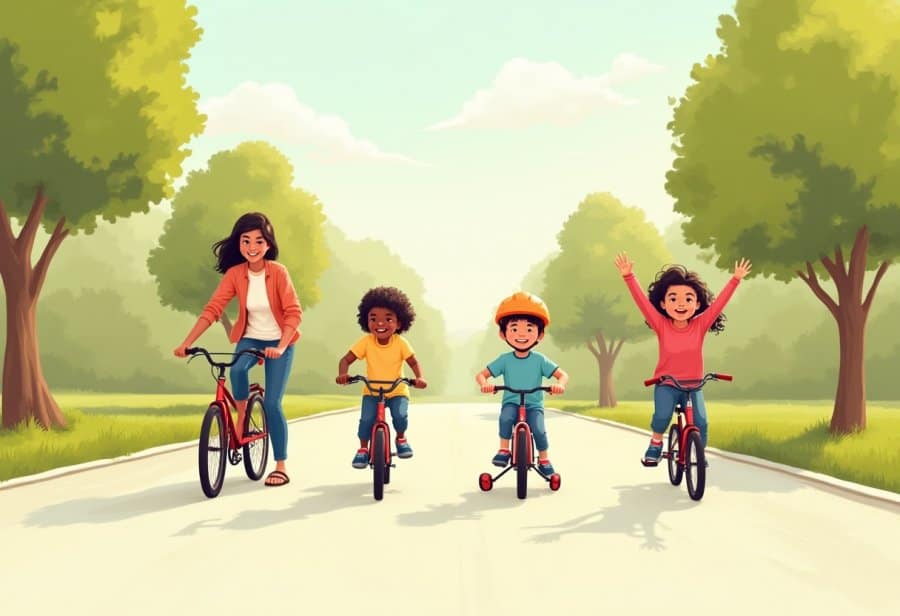
Real-Life Stories: How Riding Shapes Daily Life and Family Connections
Learning to ride a bike often brings a noticeable shift in everyday family routines. Parents recall mornings spent jogging beside their children, steadying tiny bikes, and sharing in those first wobbly moments of balance and movement. As kids build confidence, simple errands like riding to the park or visiting friends become easier and more enjoyable, giving children a new sense of independence. This newfound freedom not only lightens daily responsibilities but also sparks curiosity and a desire to explore their surroundings more freely.
The bonding during these lessons extends beyond just physical support. Parents and children share laughter, patience, and pride through every stumble and small victory. Celebrating milestones—like pedaling a little farther or riding unaided—becomes a shared family triumph, strengthening emotional ties. These moments of collective effort highlight perseverance and support, transforming what seems like a simple skill into lasting family memories that are cherished for years.
Stories of overcoming initial fears are common and inspiring. Emma, who hesitated after her first wobble, eventually pedaled across the driveway on her own, her face alight with pride. Liam struggled with balancing at first but managed a full ride after weeks of encouragement. These experiences show how patience and reassurance turn initial anxiety into confidence, teaching children that setbacks are just part of the learning process and that persistence pays off.
The process also fosters resilience. Falls and wobbles are inevitable, but they often become the best lessons in patience and determination. When kids wobble or tumble, they learn that with persistence, they can overcome challenges. Supporting them through these setbacks with reassurance and celebrating small wins helps transform frustration into motivation. As their confidence grows, riding becomes a source of joy and independence, fueling their desire to explore more on their own.
Every successful ride adds a new chapter to the family’s collection of shared stories. These experiences of perseverance and teamwork leave a lasting impact, demonstrating that effort and support lead to success. When children navigate their neighborhood on two wheels, they’re not just mastering a physical skill—they’re also learning vital lessons about independence, trust, and resilience that will influence them throughout life.
Ultimately, learning to ride a bike is about much more than just mastering balance or pedaling. It’s a powerful journey of growth, confidence, and connection. The wobbling starts, falls, and triumphant rides all contribute to a bigger story of resilience and togetherness. These moments shape how children face challenges later in life, teaching them that with patience and support, they can turn fears into freedom.