Step into the intimate world of the backyard mechanic, where passion, patience, and craftsmanship transform cluttered garages into sanctuaries of revival. These spaces are more than just workshops—they’re personal reflections of dedication, passed down through generations, blending tradition with modern innovation. How has the garage evolved from simple storage to a hub of artistry and community? Today’s scene marries vintage techniques with cutting-edge technology—digital diagnostics, augmented reality, and eco-friendly practices—making restoration more accessible and sustainable. Yet, amidst these advancements, the core remains unchanged: a love for machines, a quest for perfection, and a space where patience turns bolts into therapy. What secrets lie behind these grease-stained doors? This exploration reveals not just the tools and techniques but the soulful bond between mechanic and machine, inviting readers to see these garages as vibrant centers of innovation rooted in timeless passion.
Transform Your Space into a Personal Sanctuary of Passion and Craftsmanship
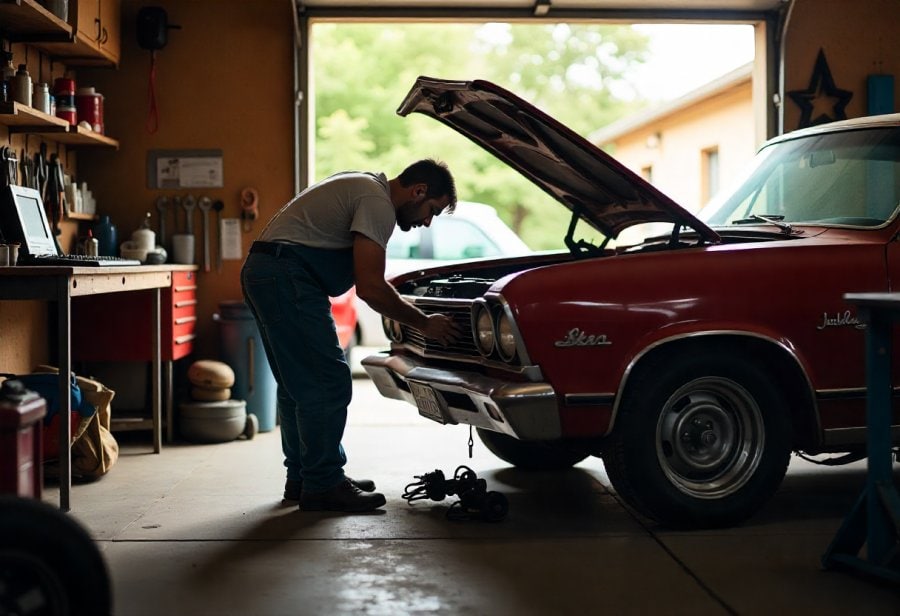
A backyard garage is more than just a practical space for parking a car or storing tools; it’s a personal sanctuary built around passion and craftsmanship. For many enthusiasts, it’s where dreams take shape—whether that’s restoring a vintage vehicle or fine-tuning an engine for better performance. These spaces often reflect their owners’ personalities, filled with carefully arranged tools, nostalgic memorabilia, and unique touches that tell their stories. It’s a workshop rooted in patience, skill, and a love for the mechanical art, where every bolt turned and part restored feels like a small act of self-expression.
More than just a functional spot, a backyard garage becomes a retreat—an environment that transforms from a cluttered storage area into a reflection of dedication. The smell of oil, the faint hum of a radio, and the sight of well-worn workbenches all contribute to a sense of comfort and purpose. Here, time slows down, and the outside world fades away. It’s a place where mechanics find their rhythm, losing themselves in the details that make each project special. This sanctuary is more than a workspace; it’s where craftsmanship and passion merge to create something meaningful.
For many backyard mechanics, these garages are cultural hubs passed down through generations. They symbolize independence, skill, and a deep bond with machines that often feel like family. Whether restoring a classic or customizing an engine, the act itself becomes a rite of passage. Over time, these spaces develop their own traditions, stories, and secrets—elements that foster a sense of community among enthusiasts. Each garage becomes a microcosm of automotive culture, built on patience, expertise, and a shared love for the craft.
Personal touches are everywhere—vintage signs, old license plates, framed photos of past projects. Tools aren’t just functional but curated to fit the mechanic’s workflow and style, often with customized handles or labels. Decor elements like worn gloves or hand-painted signs add character and history to the space. These details turn a simple workshop into an extension of the mechanic’s identity, where every item holds meaning and every corner echoes their dedication to the craft.
Beyond the physical setup, the garage reflects a mindset. It’s a space where patience is valued over haste, where learning never stops, and where every project offers a chance to hone skills. The act of restoring or repairing isn’t just about fixing machines—it’s about embracing a process that demands focus, precision, and love for the details. Surrounded by familiar tools and old parts, mechanics nurture a true passion for craftsmanship that becomes a way of life.
This environment also encourages discovery. Mechanics often stumble upon hidden secrets—an old manual, a vintage part, a technique passed down informally. These discoveries keep the work engaging and deepen the connection to the craft. The garage becomes a place of ongoing learning, where each project adds to a deeper appreciation of automotive artistry. It’s more than a workspace; it’s a personal journey, a quiet celebration of dedication, patience, and the love of bringing old machines back to life.
Tracing the Roots and Evolution of the Home Garage as a Revival Hub
The home garage has long been more than just a sheltered spot for parking a vehicle; it’s a foundational space in automotive culture that has grown and changed with the evolution of car ownership. In its earliest days, garages served a simple purpose—protecting vehicles from the elements and providing basic storage for tools. As cars became more complex and owners’ pride in their machines deepened, these spaces transformed into dedicated workshops where craftsmanship and revival thrived.
After World War II, the rise of personal car ownership led to a surge in garage activity. Families started to see their garages not just as utility rooms, but as places of pride and skill-building. It was in these spaces that generations learned to tinker, restore, and maintain vintage cars, passing down techniques and stories that became part of a shared tradition. Over time, garages became almost sacred—places of patience, ingenuity, and hands-on learning that fostered a deeper appreciation for automotive engineering.
As decades passed, the role of the home garage expanded further. Enthusiasts turned their spaces into workshops of artistic craftsmanship, meticulously sourcing authentic parts and often improvising with homemade tools. These garages became repositories of stories—rusty bolts, old manuals, and carefully preserved memorabilia—each contributing to a rich history rooted in restoration and revival. The act of peeling back decades of rust to reveal beauty beneath became a symbol of dedication and love for vintage machines.
The advent of car shows and restoration festivals helped elevate the garage from a simple workspace into a cultural hub. Sharing techniques, swapping parts, and celebrating vintage revivals became community staples. This ongoing exchange of knowledge kept traditions alive while blending old techniques with modern innovations. Today’s garages still carry these legacies, but now incorporate advanced tools and technology that allow for more precise, efficient work—yet the core spirit remains unchanged.
Throughout its evolution, the garage has remained a personal sanctuary—a place where patience and passion meet. It’s a space that bridges past and present, tradition and innovation, all driven by a love for restoring old machines. The garage’s history is a testament to the enduring appeal of craftsmanship, a reflection of the deep bond between mechanics and their machines that continues to inspire new generations of backyard revivalists.
Discover the Cutting-Edge Trends Shaping Modern Backyard Workshops
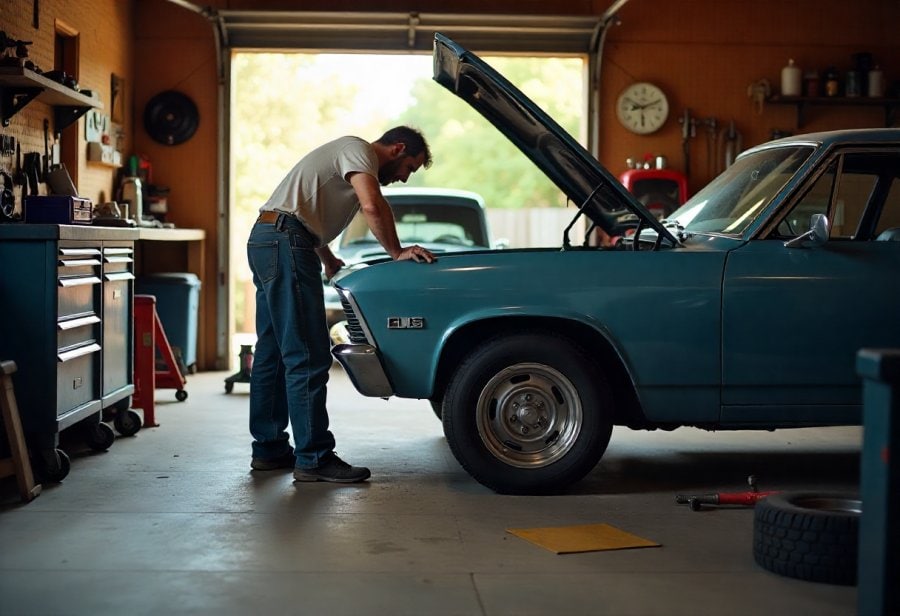
The modern garage scene has come a long way from the humble workspaces of earlier decades. Today’s backyard mechanics benefit from a blend of advanced tools, smart technology, and a more organized approach that makes repairs quicker, safer, and more precise. Digital diagnostic scanners, for example, have become standard, allowing enthusiasts to identify engine issues without the messy guesswork of traditional methods. Bright LED lighting, ergonomic workbenches, and labeled storage solutions turn these spaces into professional-grade workshops, encouraging longer projects and higher craftsmanship standards.
Trends in the scene reflect a shift toward professionalism and efficiency. Many hobbyists now rely on specialized equipment like engine hoists, portable lifts, and torque wrenches designed for accuracy. Online communities, forums, and social media groups have become invaluable sources of advice, tutorials, and project inspiration, fostering a shared culture of innovation. These platforms connect backyard mechanics across the globe, enabling the exchange of ideas and troubleshooting tips that push everyone’s skills further.
Safety and organization are no longer afterthoughts—they’re integral to the modern garage. Many enthusiasts follow strict protocols, from proper ventilation and protective gear to meticulously planned workspaces. Keeping tools and parts neatly stored and clearly labeled reduces downtime and minimizes accidents, transforming what might once have been a cluttered shed into a safe, productive environment. This focus on professionalism not only makes projects more enjoyable but also elevates the overall quality of work.
Technology continues to reshape the scene beyond tools. Digital manuals, repair videos, and troubleshooting apps provide on-demand guidance, often replacing traditional paper documentation. Some enthusiasts experiment with augmented reality overlays that project repair instructions directly onto their workspace, making complex tasks more approachable. This seamless integration of digital resources keeps the passion alive and makes even intricate restorations feel more manageable.
Despite these technological advancements, core values like patience, attention to detail, and love for the craft remain central. The modern garage is a space where tradition and innovation coexist, fostering a culture that values skill-building and continuous learning. The blend of old-school craftsmanship with new tools and techniques creates a vibrant environment that welcomes experimentation and growth.
Looking ahead, the scene is poised for further transformation. Smarter tools, automation, and sustainable practices will continue to shape the future of backyard workshops. Innovations like AI-driven diagnostics, eco-friendly materials, and community-driven online platforms will make restoration projects more accessible and rewarding. Yet, at its heart, the garage will remain a sanctuary of passion—where the love for vintage machines and the pursuit of craftsmanship continue to thrive, driven by progress but rooted in tradition.
Master Practical Skills and Techniques to Bring Your Projects to Life
Applying mechanical skills and knowledge to real projects begins with breaking down each task into clear, manageable steps. Whether you’re replacing a gasket, rebuilding an engine, or restoring a vintage part, having a step-by-step plan helps keep the process focused and less overwhelming. Taking photos or notes during disassembly can be invaluable later, ensuring every component goes back in its correct place and orientation. This preparation minimizes mistakes and saves time, especially on complex projects.
Using the right tools for each step is crucial. A torque wrench ensures bolts are tightened to manufacturer specifications, preventing future issues. A pulley puller can save hours when removing stubborn parts without risking damage. Troubleshooting starts with a logical approach—checking electrical connections, testing components, and consulting manuals or online tutorials. This methodical process reduces guesswork, builds confidence, and helps identify issues accurately, rather than masking problems temporarily.
Patience is key. Rushing often leads to overlooked details or accidental damage that can set your project back. Carefully cleaning parts—using chemical cleaners, wire brushes, or ultrasonic baths—removes rust and grime, promoting better performance and longevity. Attention to detail during cleaning and reassembly ensures your restoration not only looks good but operates reliably. Taking your time to do each step right results in a smoother, more durable finish.
When sourcing parts, authenticity matters. Vintage restorations benefit from original components, which sometimes require hunting through online marketplaces or swapping with fellow enthusiasts. If original parts aren’t available, fabricating custom replacements or choosing high-quality modern equivalents can help preserve the integrity of your machine. Investing effort here pays off in a restoration that feels authentic and functions as intended, extending the life of your project.
Troubleshooting electrical and mechanical issues often involves a mix of experience and resourcefulness. Without factory manuals, many turn to online communities, troubleshooting videos, and shared knowledge. Developing an intuition for diagnosing problems comes with practice—testing wires, swapping parts, and observing how the machine responds. Over time, these skills become second nature, allowing you to get projects done more efficiently and confidently.
Keeping your workspace organized boosts efficiency and safety. Labeling storage bins, using pegboards, and dedicating specific drawers for tools help prevent lost parts and reduce downtime. A well-organized garage makes focusing on the work easier and keeps hazards at bay. This level of order not only speeds up repairs but also makes the process more enjoyable, turning your garage into a true workshop of craftsmanship. Each project becomes a chance to learn, improve, and deepen your love for the craft.
Envisioning the Future: Innovation, Sustainability, and the Next Generation of Garages
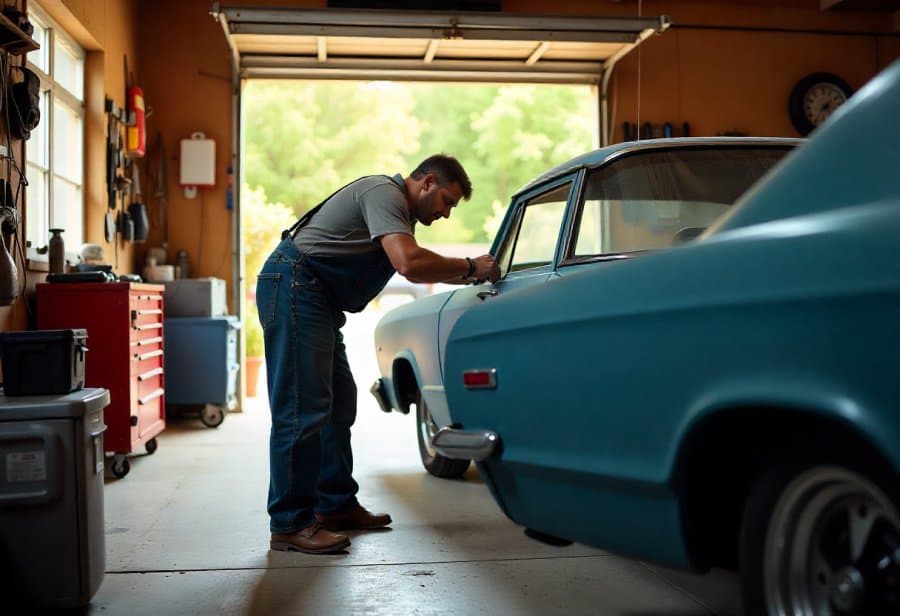
The future of home workshops and backyard garages is poised to become more innovative and sustainable than ever before. As technology advances, smart tools like digital diagnostic scanners, automated lifts, and augmented reality apps will transform how enthusiasts diagnose and repair their vintage machines. These innovations will make complex repairs more accessible, reducing the intimidation factor and encouraging more hobbyists to dive into restoration projects with confidence. Far from replacing traditional craftsmanship, these tools will serve as enhancements that expand what’s possible in a personal garage.
Sustainability is also gaining momentum in the scene. Home mechanics are increasingly adopting eco-friendly practices, such as recycling parts, using environmentally safe paints, and minimizing waste. LED lighting and energy-efficient tools are becoming standard, helping reduce the environmental footprint of restoration work. These efforts reflect a growing awareness that passion for vintage cars and machines can go hand-in-hand with environmental responsibility, turning garages into spaces of innovation and conservation rather than just relics of the past.
Online communities and digital resources continue to shape the garage culture. Forums, YouTube channels, and social media groups foster a global exchange of ideas, troubleshooting tips, and project inspiration. These platforms create a sense of shared purpose, connecting backyard mechanics across borders and backgrounds. Augmented reality tools are starting to overlay detailed repair instructions directly onto the workspace, making even the most intricate restorations feel more manageable. This seamless fusion of digital guidance and hands-on work keeps the passion alive and the projects flowing.
Tools and diagnostics will become smarter and more user-friendly. Imagine engines that can report their own issues or tools that automatically calibrate to the specific task at hand. Such innovations will lower the barriers for newcomers and make advanced repairs less daunting. As automation and AI-driven diagnostics progress, the garage will evolve into a space where craftsmanship is supported by cutting-edge technology, allowing hobbyists to push their skills further without losing the personal touch that makes restoration meaningful.
Despite these technological leaps, the core values of patience, dedication, and love for the craft will remain central. The garage will continue to be a personal sanctuary—an environment where passion and tradition meet innovation. New tools will support these timeless principles, not replace them, fostering a culture that values skill-building, experimentation, and the joy of revival. This blend of old and new will ensure the scene remains vibrant and inclusive for generations to come.
Looking ahead, the scene will grow more interconnected and environmentally conscious. Smarter, more sustainable practices will become the norm, and digital platforms will continue to democratize access to knowledge and expertise. The garage of the future will be a space where craftsmanship and technology coexist seamlessly, making restoration projects more rewarding and accessible. Yet, at its heart, it will still be about the same things—passion, patience, and the thrill of bringing vintage machines back to life.
This ongoing evolution promises a future where the spirit of the backyard mechanic remains strong. Rooted in tradition but energized by progress, the garage will continue to be a place of discovery, learning, and revival. It will be a space where old machines find new life, fueled by innovation but driven by the timeless love for craftsmanship. With each new development, the passion for vintage revival will endure—more accessible, more sustainable, and more inspiring than ever.