The final mission of NASA’s Space Shuttle Atlantis in 2011 marked not only the end of an iconic era in human spaceflight but also a pivotal moment for future exploration endeavors. As millions watched with pride and nostalgia, Atlantis’s journey symbolized decades of technological innovation, international collaboration, and relentless human curiosity. Beyond deploying vital supplies to the International Space Station, this mission underscored lessons in thermal protection, docking, and cargo transfer that continue to influence space technology. It also highlighted the transformative power of reusable spacecraft, paving the way for new partnerships and sustainable missions beyond Earth. Yet, as Atlantis soared into the cosmos for the last time, questions arose about what comes next—how these achievements will shape lunar and Martian exploration, and what legacy they leave for future generations. This historic flight not only celebrated past accomplishments but also ignited future ambitions, inspiring us to reach further into the unknown.
Table of Contents

Honoring Atlantis: The Last Launch of a Space Legend
In 2011, the space community and the world watched with a mix of pride and nostalgia as NASA’s Space Shuttle Atlantis launched on its final mission. After nearly 30 years of pioneering human spaceflight, this last journey marked the end of an era, but also a moment of reflection on the shuttle program’s remarkable legacy. Atlantis’s final flight was more than just a routine mission; it was a culmination of decades of technological innovation, international collaboration, and human ingenuity. As it lifted off from Kennedy Space Center, millions around the globe tuned in, knowing that this launch symbolized both a farewell and a transition to new frontiers in space exploration.
This mission carried critical supplies and scientific equipment to the International Space Station, ensuring the continued momentum of research and international cooperation in orbit. But beyond the payloads, Atlantis’s final flight became a symbol of resilience and achievement—highlighting what humanity can accomplish through careful planning, engineering excellence, and international teamwork. Over its storied career, Atlantis played a central role in building the ISS, deploying satellites, and repairing the Hubble Space Telescope. Its last mission encapsulated all of these accomplishments, serving as a fitting farewell to a spacecraft that had become an icon of exploration and progress.
The significance of this launch extended beyond its immediate objectives. It marked the closing chapter of the Space Shuttle program, which revolutionized space travel by making reusable spacecraft a reality. Atlantis’s final mission was a testament to the program’s success, showcasing decades of lessons learned and innovations that paved the way for future exploration efforts. It also represented a turning point for NASA, shifting from the era of government-operated crewed missions toward fostering partnerships with private companies. This transition aimed to make space travel more sustainable, cost-effective, and accessible, setting the stage for new opportunities beyond Earth’s orbit.
The launch also sparked worldwide reactions—celebrations, reflections, and a shared sense of loss. For many, Atlantis’s departure signified the end of a chapter filled with groundbreaking achievements. It was a moment to honor the spacecraft’s contributions to science, technology, and international diplomacy. The global community recognized the launch as a milestone, not just for NASA but for humanity’s collective effort to explore the cosmos. This shared experience underscored how space exploration unites us, inspiring future generations to keep pushing the boundaries of what’s possible.
As the countdown concluded and Atlantis soared into the sky, the mission set a tone for the future of space exploration. It reminded us that while the shuttle era was coming to a close, the spirit of discovery remains alive and well. The technologies and partnerships developed during Atlantis’s career continue to influence current and upcoming missions, from commercial crew programs to lunar and Martian ambitions. The launch was a reminder that each ending is also a beginning—an invitation to innovate, collaborate, and aim higher. Atlantis’s final flight, therefore, became a symbol of both closure and renewal, inspiring continued pursuit of the unknown.
In the broader context, Atlantis’s last mission underscored the importance of perseverance and adaptability. It demonstrated that even as technologies evolve and programs conclude, the core principles of exploration—curiosity, resilience, and collaboration—persist. The mission’s success reinforced confidence in the future of human spaceflight, emphasizing that progress builds on the foundations laid by previous efforts. As we reflect on Atlantis’s final journey, it’s clear that its legacy will continue to influence how we approach exploration, pushing us toward new horizons with optimism and purpose.
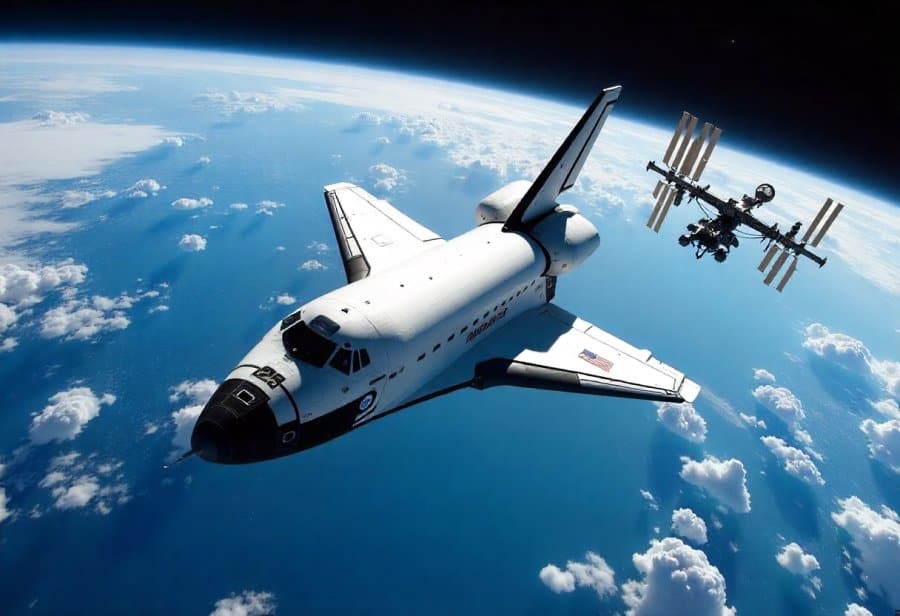
Legacy in Action: How Atlantis’s Final Flight Shapes Future Space Exploration
The legacy of Atlantis’s final mission extends far beyond its historic launch, shaping the future of space technology and operational safety in profound ways. One of its most crucial contributions is the advancement of thermal protection systems. Over nearly three decades of service, Atlantis’s heat shield was continuously refined, setting new standards for safe re-entry. These improvements not only safeguarded Atlantis itself but also influenced the design of newer spacecraft, making atmospheric entry safer and more predictable. As space missions become more frequent and complex, these lessons in thermal protection underpin the reliability of re-entry procedures, reducing risks for crewed and uncrewed missions alike.
Equally important is the evolution of docking procedures and cargo transfer systems. Atlantis’s ability to connect with the International Space Station with precision and efficiency became a benchmark for subsequent spacecraft. The operational frameworks developed during its last missions have been adopted and enhanced by modern crew vehicles, enabling faster, safer, and more cost-effective resupply and crew rotations. These innovations support a sustainable presence in orbit and lay the groundwork for future deep-space missions, where efficiency and safety will be paramount.
The impact of Atlantis’s final flight also resonates through its role in fostering international collaboration. The shuttle program was instrumental in constructing and maintaining the International Space Station, demonstrating that nations working together can achieve extraordinary things. This spirit of cooperation extended beyond hardware, influencing policies and partnerships that continue to shape space exploration efforts today. Initiatives like the Lunar Gateway and upcoming Mars missions rely on the collaborative models established during the shuttle era, emphasizing shared responsibilities and collective expertise. Atlantis’s success proved that international teamwork isn’t just beneficial—it’s essential for tackling the vast challenges of exploring beyond Earth.
Technological advancements driven by Atlantis’s missions have ripple effects across the industry. Robotic systems for cargo handling and satellite servicing owe much of their development to the operational experience gained during the shuttle era. Today, these systems are fundamental to projects like in-orbit manufacturing and satellite repair, opening new avenues for scientific and commercial activities in space. Additionally, improvements in docking technology and spacecraft automation have become benchmarks for reliability, supporting ambitious exploration goals such as lunar bases and crewed Mars habitats. These technological strides are built on the foundation laid by Atlantis’s last missions, ensuring that exploration continues to evolve safely and efficiently.
Science benefited immensely from Atlantis’s final flights, especially through its role in deploying and servicing instruments on the International Space Station. These missions expanded our understanding of microgravity’s effects on biological systems and materials, with practical applications that reach beyond space science. Medical research, manufacturing innovations, and environmental studies on Earth all benefit from the insights gained. The spacecraft’s advanced systems, like thermal protection and docking mechanisms, enabled these scientific breakthroughs, demonstrating how operational excellence directly translates into new knowledge. Atlantis’s last mission, therefore, not only advanced exploration but also contributed valuable data that influences diverse fields back home.
The lessons learned from Atlantis’s journey continue to shape NASA’s strategic approach to exploration. The principles of safety, reusability, and operational efficiency demonstrated during the shuttle era have become blueprints for next-generation spacecraft. The rise of commercial spaceflight companies and reusable rocket technology stems directly from these foundational insights. These advancements make space more accessible and sustainable, aligning with the broader goal of long-term human presence beyond Earth. Atlantis’s legacy inspires ongoing innovation, reminding us that progress often builds on past achievements while paving the way for future breakthroughs.
Looking ahead, the influence of Atlantis’s final flight remains vital as humanity pushes toward new horizons. Its technological and operational achievements serve as a springboard for lunar bases, Mars exploration, and beyond. The collaborative models, safety standards, and innovative systems developed during its career continue to guide current missions and future strategies. The legacy of Atlantis’s last journey not only honors the past but also fuels the confidence needed to reach further into the cosmos. It embodies a spirit of resilience and curiosity that will drive exploration efforts for decades to come, inspiring new generations to aim higher and dream bigger.
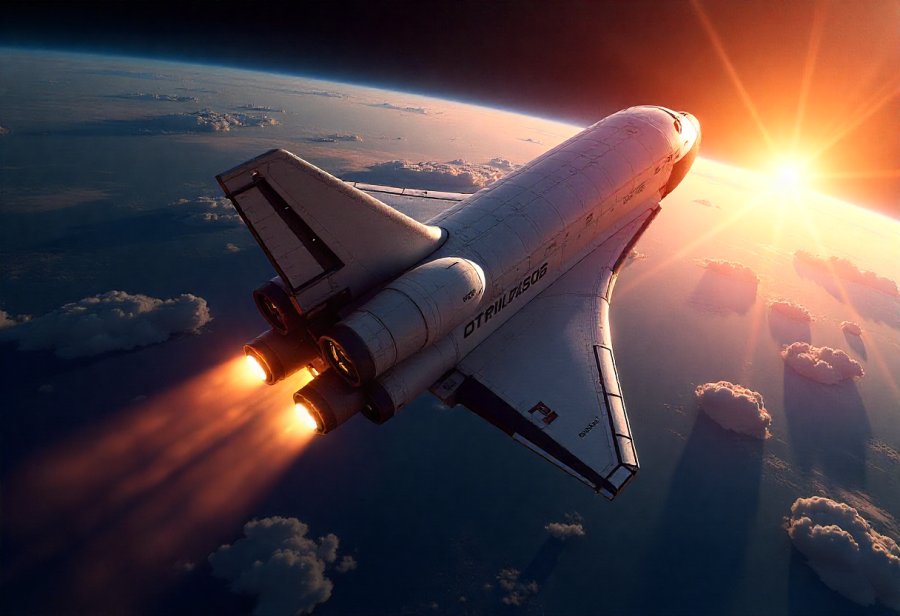
A Tribute to Resilience: Reflecting on Atlantis’s Historic Final Journey
The final flight of Atlantis marked a milestone not just for NASA, but for human space exploration as a whole. It was a moment that encapsulated decades of innovation, perseverance, and international collaboration. As the shuttle gracefully lifted off for the last time, it symbolized both the culmination of a pioneering era and a stepping stone toward future horizons. In many ways, Atlantis’s departure was a testament to what humanity can achieve when technology, teamwork, and determination come together.
Throughout its nearly 30-year career, Atlantis demonstrated that reusable spacecraft could revolutionize space travel. Its missions supported critical scientific research, helped assemble and maintain the International Space Station, and pushed the boundaries of engineering. The lessons learned from its various flights laid the groundwork for the next generation of space vehicles, emphasizing safety, efficiency, and adaptability. The shuttle’s legacy is built on these achievements, inspiring confidence that exploration beyond Earth is both possible and sustainable.
The technological strides made during Atlantis’s last missions continue to influence current and future space endeavors. Improvements in thermal protection systems and docking procedures became benchmarks for safety and reliability, shaping the design of newer spacecraft. These advancements have made re-entry safer and more predictable, reducing risks for crews and cargo alike. The operational frameworks developed during its final flights also fostered innovations in automation and cargo handling, which are now integral to deep-space missions and commercial ventures. Atlantis’s last journey helped set standards that will guide exploration efforts for years to come.
Beyond hardware, Atlantis’s mission reinforced the importance of international collaboration. The shuttle played a pivotal role in constructing and servicing the International Space Station, a symbol of what nations can achieve together. This spirit of cooperation continues to underpin ambitious projects like the Lunar Gateway and future Mars missions. The partnerships and policies established during the shuttle era laid a foundation that enables ongoing joint exploration efforts. Atlantis’s success proved that collective effort and shared responsibility are essential for tackling the vast challenges of exploring deeper into space.
In the end, Atlantis’s final flight remains a powerful reminder of human resilience and curiosity. It exemplified how perseverance, innovation, and international teamwork can turn bold visions into reality. Its legacy encourages us to look beyond current horizons, to keep pushing the limits of what’s possible. As we continue to explore the Moon, Mars, and beyond, the lessons and achievements of Atlantis will inspire future generations to reach further and dream bigger. The journey may have ended for this iconic spacecraft, but its impact continues to propel us forward into new frontiers.
As we reflect on the enduring influence of Atlantis, it’s also important to recognize how the shuttle program’s history continues to shape NASA’s future endeavors. For a deeper understanding of Atlantis’s role within this legacy, you can explore the legacy of atlantis within nasa’s shuttle program history. This history underscores the significance of Atlantis’s contributions and how they inform current and upcoming space missions.