Nylon, a versatile material woven into everyday life—from clothing to carpets—has a complex environmental footprint rooted in its petrochemical origins. Its production relies heavily on non-renewable resources like oil and natural gas, involving energy-intensive chemical processes that release pollutants and greenhouse gases. Once produced, nylon persists in the environment for centuries, shedding microplastics during washing and wear, which threaten marine life and enter the food chain. Disposal challenges are significant, as nylon often ends up in landfills or is incinerated, releasing toxins and greenhouse gases. Limited recycling options exacerbate the plastic pollution crisis, while toxic runoff from manufacturing harms ecosystems. Recognizing nylon’s ecological costs underscores the urgent need for sustainable alternatives and mindful consumption. Moving toward eco-friendly fibers and cleaner production methods can help reduce reliance on fossil fuels and mitigate environmental damage, fostering a more sustainable future.
Unraveling Nylon’s Hidden Environmental Impact
Nylon is woven into many aspects of our daily lives—from the clothes we wear to the carpets under our feet and the sports gear we rely on. Its durability, elasticity, and affordability have made it a go-to material across industries, subtly shaping modern convenience. But behind this seamless integration lies a complex environmental story that often remains in the background. As awareness of sustainability grows, understanding nylon’s origins and its environmental footprint becomes more urgent than ever.
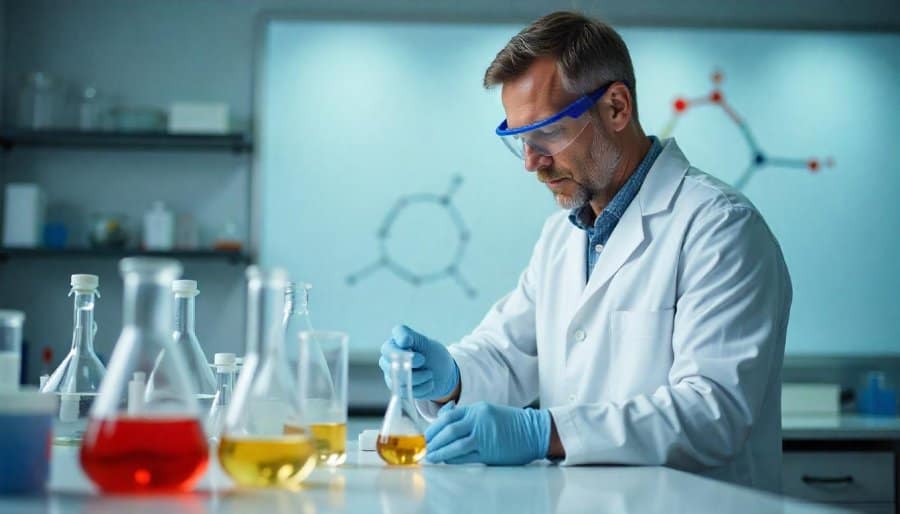
Made through chemical processes in large-scale factories, nylon’s roots are firmly planted in petrochemicals—fossil fuels like petroleum and natural gas. The production involves transforming these raw materials via energy-intensive reactions, such as polymerization, where small molecules like hexamethylene diamine and adipic acid are chemically linked into long, strong chains called polymers. These polymers are then spun into fibers through methods like extrusion and drawing, which align the molecules and give nylon its characteristic strength and flexibility. This process depends heavily on non-renewable resources and consumes substantial amounts of energy, making nylon production a significant contributor to petrochemical pollution.
The environmental impact of nylon extends far beyond its manufacturing stage. Once in use, nylon products shed tiny fibers—microplastics—during washing and wear. These microfibers easily escape filtration systems and enter oceans, lakes, and rivers, where they are ingested by marine life. This causes injuries, disrupts reproductive systems, and can even be fatal for aquatic organisms. As these tiny fibers accumulate, they enter the food chain, posing risks to both wildlife and humans. This persistent release of microplastics showcases how synthetic fibers like nylon contribute to the global plastic pollution crisis, with consequences that ripple through ecosystems.
Disposal presents another challenge. Nylon’s durability means it can persist in landfills for hundreds of years, slowly leaching chemicals into soil and groundwater. Most nylon waste—clothing, industrial fabrics, carpets—is either landfilled or incinerated, both options carrying environmental costs. Landfilling allows plastics to remain in the environment indefinitely, while incineration releases toxic fumes and greenhouse gases. Meanwhile, recycling efforts are limited, making waste accumulation a growing concern. The reliance on petrochemical-derived materials and the difficulty in managing nylon waste highlight the urgent need for more sustainable alternatives and mindful consumption.
From production to disposal, nylon’s lifecycle is deeply intertwined with fossil fuel dependence and environmental degradation. Recognizing these impacts is crucial as we consider the true cost of the products we often take for granted. Moving toward sustainable fibers and reducing our reliance on synthetic materials can pave the way for a healthier planet—one where durability no longer comes at the expense of ecological well-being.
From Petrochemicals to Fibers: The Manufacturing Journey of Nylon
Nylon production starts with a complex chemical process that transforms raw petrochemicals into the synthetic fibers we see everywhere. The primary raw materials—petroleum and natural gas—are refined through energy-intensive reactions like polymerization. In this process, small molecules such as hexamethylene diamine and adipic acid are chemically bonded to form long, durable chains called polymers. These polymers serve as the foundation for nylon fibers and are created in specialized industrial settings where high heat and pressure facilitate the chemical reactions needed for chain formation.
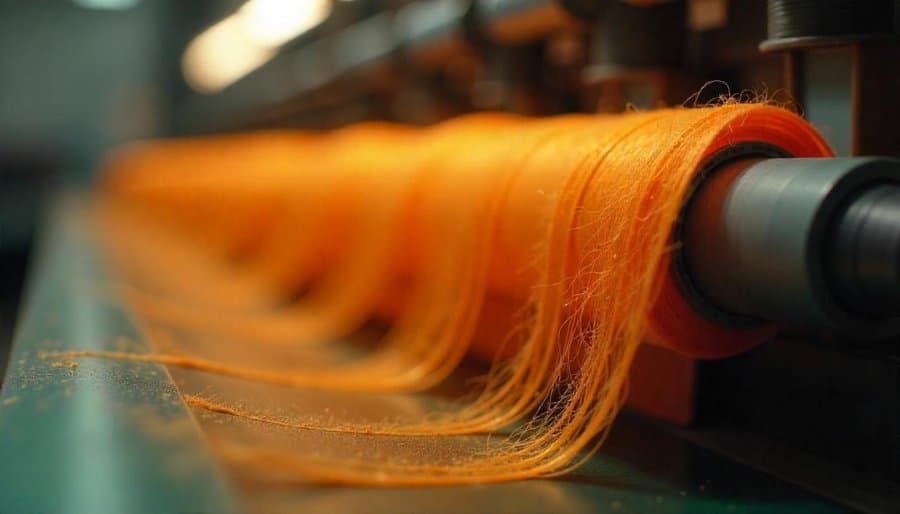
Once the polymers are synthesized, they are spun into fibers using techniques like extrusion and drawing. During extrusion, the molten polymer is forced through tiny openings to create continuous filaments, which are then cooled and stretched in drawing processes. This molecular alignment enhances the fibers’ strength and elasticity, giving nylon its characteristic durability. Each step in this chain of production relies heavily on fossil fuel-derived inputs, making nylon’s manufacturing process intrinsically linked to non-renewable resources.
Because these chemicals are derived from finite fossil fuels, nylon production is highly dependent on the oil industry. The extraction and refining of petroleum and natural gas not only deplete natural resources but also generate significant environmental pollution. During polymerization, volatile organic compounds and toxic byproducts are released into the environment, contaminating air and water sources. The energy-intensive nature of these reactions further amplifies greenhouse gas emissions, contributing to climate change. This dependence on fossil fuels underscores the environmental costs embedded in every strand of nylon.
The industrial techniques involved—polymerization, extrusion, and fiber drawing—are optimized for efficiency but come with a hefty environmental toll. High heat and pressure require substantial energy inputs, primarily sourced from fossil fuels, which in turn release greenhouse gases. Chemical residues and waste byproducts are often discharged into landfills or water bodies, adding to pollution concerns. As global demand for nylon grows, so does the environmental footprint of its production chain, highlighting the urgent need for sustainable alternatives and cleaner manufacturing practices.
Recognizing nylon’s petrochemical roots and the environmental costs of its production points to a broader challenge: reducing dependency on non-renewable resources while maintaining fiber quality. Innovations in recycling and the development of bio-based alternatives could help shift the industry toward more sustainable practices. By understanding the intricate links between nylon’s chemical origins and its environmental impact, consumers and producers alike can make more informed choices—favoring materials that prioritize both durability and ecological responsibility.
The Lasting Environmental Toll of Nylon’s Lifecycle
The environmental impacts of nylon stretch far beyond its initial manufacturing, influencing every stage of its lifecycle. Once in use, nylon products—whether clothing, carpets, or industrial textiles—continue to affect the planet through the shedding of microplastics. During washing and wear, tiny fibers called microfibers are released into water systems. These microplastics are so minuscule that they bypass filtration systems, accumulating in oceans, lakes, and rivers. Marine life ingests these particles, leading to injuries, reproductive issues, and even death. As these fibers build up in ecosystems, they enter the food chain, posing risks not only to aquatic creatures but also to human health.
Disposal presents a persistent challenge. Nylon’s durability means it can linger in landfills for hundreds of years, slowly leaching chemicals into soil and groundwater. Most nylon waste, including garments, carpets, and industrial fabrics, ends up either landfilled or incinerated. Landfilling allows non-biodegradable plastics to persist indefinitely, while incineration releases toxic fumes and greenhouse gases, contributing to air pollution and climate change. Recycling efforts remain limited, and the majority of nylon waste accumulates in landfills, exacerbating the global plastic pollution crisis and straining waste management systems.
Chemical runoff from manufacturing facilities compounds these issues. During production, toxic byproducts and volatile organic compounds often escape into nearby waterways, contaminating aquatic ecosystems and threatening human communities. These pollutants can cause long-term ecological damage, affecting biodiversity and water quality. Moreover, as nylon products are discarded or worn down, they continue to release harmful chemicals into the environment, further fueling pollution. The persistent presence of these toxins underscores nylon’s role as a continuous source of environmental contamination.
The reliance on fossil fuels for nylon’s entire lifecycle intensifies its environmental footprint. Extracting and processing oil and natural gas not only depletes finite resources but also generates substantial greenhouse gases, fueling climate change. From the petrochemical origins of raw materials to the pollution generated during manufacturing and waste disposal, nylon’s production chain is deeply intertwined with environmental degradation. This dependency highlights the urgent need to shift toward more sustainable alternatives, such as biodegradable natural fibers or recycled fabrics, to reduce our ecological footprint. Recognizing the far-reaching consequences of nylon’s lifecycle encourages consumers and industries alike to rethink their material choices, fostering a shift toward more mindful and sustainable practices.