Have you noticed a sudden drop in your Domain Rating (DR)? Many website owners are experiencing sharp fluctuations following Ahrefs’ major algorithm update, aimed at better assessing backlink quality and relevance. This recalibration isn’t a penalty but a reflection of evolving standards that prioritize genuine authority over sheer link volume. While these shifts can be alarming, they highlight the importance of maintaining a high-quality, authentic backlink profile. The update encourages strategic audits, targeted outreach, and content creation that naturally attracts high-value links. So, instead of reacting impulsively to a falling DR, should you view it as an opportunity to strengthen your backlink strategy? Understanding these changes helps you adapt and build resilience against future fluctuations. In a landscape where search engines prioritize trust and relevance, focusing on meaningful, relevant content and partnerships is the key to long-term authority—are you ready to turn these fluctuations into growth opportunities?
Chapter Overview
Unlocking the Truth Behind Domain Rating and Its Recent Overhaul
Domain Rating, or DR, is a key metric that SEO professionals use to assess a website’s backlink strength and overall authority. It provides a snapshot of how well a site is connected within the vast web of links, considering not just the number of backlinks but also their quality, relevance, and trustworthiness. This makes DR a more nuanced indicator than simply counting links, helping marketers gauge how their site compares against competitors.
Recently, Ahrefs introduced a significant update to its DR calculation. This wasn’t a minor tweak but a complete overhaul aimed at better reflecting backlink quality in real-world terms. The new model shifts the focus from raw link volume to the authority and relevance of linking domains, utilizing fresh data and more sophisticated measures. The goal is to give users a clearer picture of true online influence, aligned with how search engines evaluate trust and relevance today.
For SEO teams, understanding this update isn’t just about tracking scores. It’s about interpreting changes in context. A sudden drop in DR might seem alarming, but it often results from the recalibration rather than a penalty or loss of authority. These shifts underscore the importance of focusing on backlink quality—high-authority, relevant links—rather than chasing superficial metrics that don’t tell the full story.
This update also highlights the need for ongoing backlink profile management. Building genuine, high-quality links from reputable sites remains essential. Regular audits and strategic outreach are more critical than ever to ensure your backlinks meet the new standards. A healthy backlink profile rooted in authenticity and relevance provides resilience against fluctuations caused by algorithm updates and recalibrations.
As these changes unfold, they influence how we interpret backlink strength and develop future strategies. Recognizing the difference between a recalibration and a penalty can prevent unnecessary worry. Instead, it encourages a more deliberate approach—prioritizing relevance, trustworthiness, and content quality to build a durable and authoritative online presence.
In the broader landscape, these adjustments reflect a shift toward more meaningful metrics that better mirror search engine evaluation methods. For SEO professionals, staying informed about such updates is vital to adapt strategies effectively. This awareness ensures that score fluctuations are understood correctly and that efforts focus on sustainable, long-term growth rooted in authentic authority.
Decoding the Impact of the DR Update on Your Website’s Authority
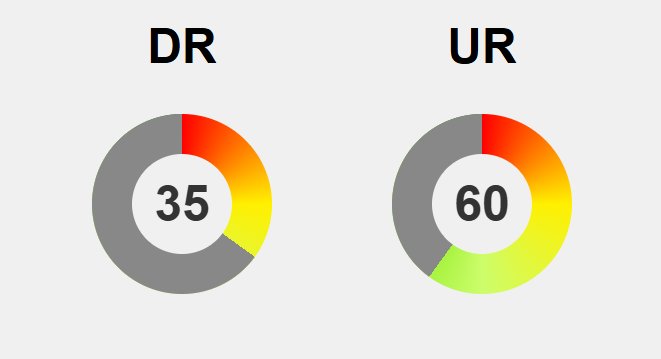
The recent algorithm update by Ahrefs has led to noticeable fluctuations in Domain Rating scores for many websites. Instead of steady, predictable shifts, some sites have experienced sudden drops or spikes—sometimes by 20 to 50 points overnight. These abrupt changes are not random; they directly stem from the recalibration aimed at better assessing backlink quality and relevance. As a result, DR scores now more accurately reflect a site’s true authority, but this can cause confusion at first glance.
When your DR dips sharply, it’s tempting to see it as a penalty. However, these fluctuations are more about the new measurement approach than any punitive action. The updated system places greater emphasis on the quality and authority of linking domains, which can cause scores to recalibrate as the algorithm aligns with this refined focus. Sometimes, high-authority sites update or remove links, impacting your score even if your content remains solid.
This shift alters how we interpret website authority. A sudden decline in DR doesn’t necessarily mean your influence is waning; it often indicates that the algorithm is now better at distinguishing genuinely valuable links from less meaningful ones. Conversely, sites with clean, high-quality backlinks may see their scores rise, offering a more precise picture of their true online strength. These changes make DR a more reliable indicator over time, although they can be confusing initially.
For website owners, these fluctuations highlight the importance of not overreacting. Instead, view them as a cue to review your backlink profile. Are your key backlinks still active and from relevant, high-authority sources? Have you lost valuable links recently? Understanding what’s behind these score changes helps you focus on strategic improvements rather than reacting emotionally to the numbers.
Backlink dynamics play a significant role in these fluctuations. Links get removed, devalued, or gained over time, and the update makes these changes more visible in your DR score. This doesn’t necessarily reflect a loss of influence; rather, it signals the need to maintain a healthy, high-quality backlink profile. Regular audits and ongoing outreach can help stabilize your authority amid these shifts.
Ultimately, these changes are designed to bring metrics more in line with how search engines evaluate trust and relevance. While short-term dips may cause concern, they serve as an opportunity to reinforce your backlink strategy. Focusing on authentic, relevant links and valuable content ensures your site remains resilient and authoritative in the long run.
Strategic Steps to Recover and Strengthen Your DR After Fluctuations
When your Domain Rating drops unexpectedly, it’s time to take a close look at your backlink profile rather than reacting with panic. Start by using tools like Ahrefs to identify which backlinks have been lost recently. Focus on high-authority, relevant sites that previously linked to you—if those links have been removed or nofollowed, they could be behind the dip. Also, review whether you’ve gained any low-quality or spammy backlinks, which can dilute your profile’s strength and negatively impact your DR.
Next, evaluate the remaining backlinks for their quality and relevance. Not all links are created equal; high-quality, niche-relevant backlinks carry more weight in influencing your score. If you notice a decline in the authority of your referring domains, consider reaching out to rebuild those relationships or earning new links from similar reputable sites. Creating valuable, shareable content—like comprehensive guides or data-driven resources—can naturally attract high-quality backlinks over time.
Once you’ve identified the issues, develop a strategic plan to rebuild your backlink profile. Outreach remains essential—contact industry sites, bloggers, or influencers for backlinks that can restore and even boost your authority. Prioritize earning links from reputable sources rather than resorting to quick fixes like low-quality link purchases, which are less effective and risky in the current landscape. Consistency in your efforts is key; sustainable growth depends on ongoing, targeted outreach and content creation.
Monitoring your backlink profile regularly is critical to maintaining and improving your DR. Use Ahrefs or similar tools to track new backlinks and changes in referring domains’ authority. If you see trusted sites removing links, look for alternative opportunities through guest posting, partnerships, or collaborations. Building a diverse, high-quality backlink profile from multiple relevant sources creates resilience against future fluctuations and helps sustain your domain’s authority.
Remember, a dip in DR isn’t a sign of permanent loss but an opportunity to refine your strategy. Focus on earning authentic, relevant backlinks and producing content that naturally attracts links. This approach builds a stronger, more trustworthy backlink profile and positions your site for long-term growth. Patience and strategic effort will help you recover and even surpass previous levels of authority.
By approaching DR drops as a chance to strengthen your foundation, you shift from reactive to proactive. Regular audits, targeted outreach, and quality content are your best tools to not only recover lost ground but also to build a more resilient and authoritative online presence. This mindset ensures you stay adaptable in an ever-changing SEO landscape, turning setbacks into opportunities for sustainable success.
Remember, a dip in DR isn’t a sign of permanent loss but an opportunity to refine your strategy. Focus on earning authentic, relevant backlinks and producing content that naturally attracts links. This approach builds a stronger, more trustworthy backlink profile and positions your site for long-term growth. Patience and strategic effort will help you recover and even surpass previous levels of authority. In cases of sudden, significant drops—often referred to as a crazy almost overnight drop—it’s especially important to analyze what changed and adapt your approach accordingly. Understanding the causes behind such fluctuations can help you implement more resilient strategies moving forward.
Transforming DR Drops Into Growth Opportunities with Smarter SEO Tactics
When your Domain Rating drops unexpectedly, it’s a clear sign to shift from concern to strategy. Instead of reacting emotionally, analyze your backlink profile to understand what changed. Use tools like Ahrefs to identify which links have been lost or devalued. Are high-authority sites no longer linking to you? Have some relevant backlinks disappeared? Recognizing these patterns helps you pinpoint vulnerabilities and plan your next moves.
Focus on building a sustainable, high-quality backlink profile. Reach out to industry influencers, reputable blogs, and authoritative directories to foster genuine relationships that can lead to natural, valuable links. Creating comprehensive, insightful content—such as detailed guides or original research—encourages other respected sites to reference your work organically. This not only boosts your DR but also enhances your site’s credibility and trustworthiness.
A fluctuating DR presents an opportunity to diversify your backlink sources. Avoid relying heavily on a handful of links or domains. Instead, aim for a broad, diverse profile by earning links from multiple high-authority, relevant sites. This diversity cushions your site against future fluctuations, making your authority more resilient. Regularly monitor your referring domains to catch early signs of link loss and act swiftly to replace or strengthen those connections.
Leverage these fluctuations to refine your content and outreach strategies. Focus on producing shareable, authoritative content that naturally attracts backlinks—industry reports, case studies, or data-driven articles are great examples. Consistency in content quality and outreach efforts creates a steady stream of backlinks, supporting sustainable growth rather than quick fixes that often fade away.
Adaptability is key. If trusted sites remove links, seek alternative opportunities through guest posting, collaborations, or partnerships. The goal is to build a high-caliber, resilient backlink profile that isn’t overly dependent on a few sources. This approach not only stabilizes your authority but also prepares you for future algorithm updates and market changes.
Viewing DR dips as growth opportunities shifts your mindset from reactive to proactive. Each fluctuation is a chance to audit, improve, and diversify your backlink portfolio. By focusing on authentic, relevant links and valuable content, you lay a stronger foundation for long-term authority. These efforts may take time, but they pay off by creating a more trustworthy, sustainable online presence.
In the end, turning DR drops into opportunities means embracing continuous improvement. Regular audits, targeted outreach, and quality content are your best tools for recovery and growth. This mindset ensures you don’t just bounce back from setbacks but come out stronger, more resilient, and better prepared to thrive in an ever-changing SEO landscape.
Navigating the Future of Domain Authority Metrics for Long-Term Success
As SEO continues to evolve, so do the ways we measure and evaluate backlinks and overall domain authority. The future points toward more comprehensive metrics that go beyond simple link counts or traditional scores like DR. Instead, tools are increasingly integrating signals such as content relevance, user engagement, and trustworthiness, aiming to offer a more accurate reflection of a website’s true influence. This broader approach aligns with the understanding that quality and context matter more than sheer quantity.
To stay ahead, SEO professionals need to adopt a flexible mindset and stay informed about emerging measurement methods. Engaging with industry updates through webinars, forums, and analytics tools helps you recognize trends early. Experimenting with different content types, outreach tactics, and data sources provides insight into what genuinely impacts authority within your niche. Being adaptable ensures you’re not caught off guard as algorithms become more sophisticated.
Looking forward, search engines and analytics platforms will likely emphasize relevance, trust, and user signals alongside backlinks. The value of a link will be judged within a wider context, such as the authority of the linking site, the relevance of the content, and user behavior metrics like time on page or bounce rates. A focus solely on link acquisition will give way to strategies that nurture overall site credibility, combining content quality, technical health, and strategic relationships.
New tools and scoring systems are expected to emerge, integrating multiple signals into unified authority metrics. These may include social interactions, brand reputation, and engagement metrics, creating a more nuanced picture of influence. For SEO strategies, this means shifting from isolated link-building efforts toward holistic reputation management that emphasizes trust and user experience.
Creating valuable, authoritative content will become even more crucial as part of this future landscape. Content that genuinely helps users, provides unique insights, or offers original research naturally attracts relevant backlinks, building a resilient authority profile. Cultivating relationships with industry influencers and partners will also be key in earning high-quality links that stand the test of time.
Monitoring your backlink profile and overall site health remains essential. Regular audits help you understand which signals are contributing to your authority and how your efforts are aligning with evolving standards. Data-driven adjustments, based on real insights, will ensure your strategies stay effective and relevant.
In essence, the future of domain authority metrics will be more holistic, nuanced, and aligned with how search engines evaluate trust and relevance. Building a sustainable online presence will depend on creating meaningful content, fostering authentic relationships, and continuously adapting your tactics. This proactive approach not only prepares you for ongoing changes but also positions your site for long-term growth and resilience in a competitive digital landscape.