In an era where communication can make or break a business, can reliable, secure phone systems truly serve as the backbone of success? As technology shifts from traditional landlines to advanced VoIP and cloud-based solutions, organizations gain unprecedented flexibility, scalability, and professionalism—yet face growing cybersecurity concerns. This transformation enables companies of all sizes to enhance customer interactions, streamline internal operations, and stay responsive across remote and distributed teams. Features like auto-attendants, mobile integration, and real-time analytics sharpen competitive edges, but they also demand robust security measures to protect sensitive data. The future promises even smarter, AI-driven systems that adapt swiftly to changing demands and threats. Will embracing these innovations be enough to sustain growth and trust in an increasingly digital landscape? This evolution in business communication is not just about technology—it’s about reshaping how organizations connect, compete, and thrive in a rapidly evolving world.
Article Contents
Experience Seamless Business Communication with FiberConX’s VoIP Solutions
Transform your business communication in Canada with FiberConX‘s reliable voip phone service. Specializing in VoIP & IP Business phone services, FiberConX offers features like voicemail, IVR, Ring Groups, and voicemail-to-mail, ensuring your team stays connected and productive. Whether you need a customized phone system or scalable solutions, FiberConX has you covered. Reach out today at 1.416.945.9210 or email [email protected] to discover how our advanced VoIP services can elevate your business communication.
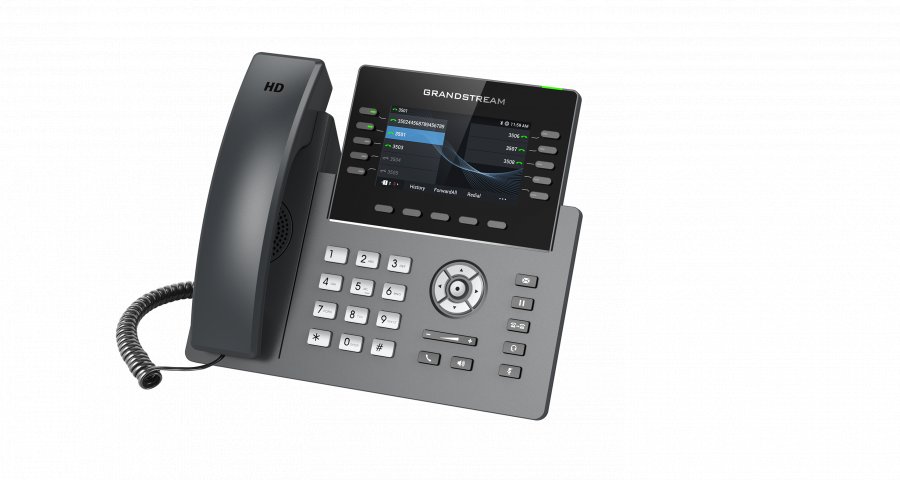
Foundation of Modern Business Success: The Vital Role of Reliable Communication
Effective communication is the foundation of modern business success. In today’s fast-paced environment, companies depend on reliable channels to connect with customers, coordinate teams, and keep operations running smoothly. When communication falters, delays and misunderstandings can lead to missed opportunities and damage to reputation. That’s why having a dependable system isn’t just a convenience—it’s essential for staying competitive.
Over time, the way businesses communicate has transformed dramatically. Traditional landlines once provided straightforward, stable voice connections but lacked flexibility and advanced features. As technology advanced, digital options like VoIP emerged, offering more functionality at lower costs. Today, internet-based phone systems have become the norm, enabling seamless, scalable, and cost-effective communication that adapts to the needs of growing organizations.
The shift to internet-driven systems has revolutionized how companies operate. VoIP technology transmits calls over the internet, allowing for easy management and rapid scalability. Businesses can add or remove lines through simple online tools, supporting expansion without heavy hardware investments. These systems also support features like call forwarding, voicemail-to-email, and video conferencing—tools that keep teams connected regardless of their physical location.
Modern phone solutions go beyond basic communication; they project professionalism and enhance customer experience. Auto-attendants greet callers with customized messages and direct inquiries efficiently, creating a polished image. Call routing ensures customer questions reach the right person quickly, whether staff are in the office or working remotely. Such features help foster trust and loyalty, making communication a strategic asset rather than just a utility.
In the face of increasing cyber threats, security has become a top priority. Cloud-based systems now include encryption, call recording, and data retention tools to safeguard sensitive conversations and ensure compliance with industry regulations. These security features are vital for maintaining trust, protecting organizational reputation, and ensuring that communication remains resilient and trustworthy in today’s digital landscape.
Revolutionizing Connectivity: The Impact of VoIP and Cloud-Based Phone Technologies
Modern business phone technologies are reshaping how companies stay connected in today’s competitive landscape. Central to this shift are VoIP and cloud-based solutions, which leverage the internet to handle voice communication instead of traditional landlines. This transition not only reduces costs but also introduces a level of flexibility that was unimaginable with older systems. Businesses can now easily add or remove lines through intuitive online dashboards, making scaling up or down quick and hassle-free.
These systems are designed for reliability as much as flexibility. Cloud platforms enable remote management, allowing administrators to update features, troubleshoot issues, or reroute calls from anywhere with an internet connection. This means teams can stay responsive regardless of their physical location, supporting remote work and distributed operations seamlessly. During disruptions like natural disasters or hardware failures, calls can be instantly rerouted to mobile devices or backup servers, keeping communication flowing without interruption.
The range of advanced features integrated into modern phone systems further elevates their value. Auto-attendants greet callers with personalized messages and direct inquiries to the appropriate departments, creating a professional first impression. Call routing ensures customer questions reach the right person quickly, whether staff are in the office or working remotely. These tools streamline interactions, reduce wait times, and improve overall customer service quality—key factors for maintaining a competitive edge.
Mobile integration is transforming how teams collaborate. Employees can answer calls, participate in conference calls, and access system features directly from their smartphones or softphone apps. This flexibility supports remote work, enhances team responsiveness, and ensures that customer inquiries are handled promptly no matter where employees are located. Such integration turns a basic communication platform into a versatile hub that adapts to the evolving needs of modern organizations.
Security features are now a crucial part of these solutions. Encryption, call recording, and data retention tools help safeguard sensitive conversations and ensure compliance with industry regulations. These security measures build trust with clients while protecting organizational data from cyber threats. As digital communication becomes more prevalent, prioritizing security in these systems isn’t optional—it’s essential for maintaining reputation and operational integrity.
Cost efficiency and scalability are driving many organizations to adopt cloud-based platforms. These solutions eliminate the need for expensive hardware investments and reduce ongoing maintenance costs. Subscription models allow businesses to pay only for what they need, with the ability to scale rapidly as they grow. This affordability and flexibility make sophisticated communication tools accessible to startups and large enterprises alike, fostering agility and innovation.
In essence, modern business phone technologies are more than just upgrades—they’re strategic assets. By offering reliable, secure, and feature-rich communication channels, they enable companies to enhance customer experiences, improve internal collaboration, and adapt swiftly to market changes. These systems form the backbone of a resilient, forward-looking organization ready to meet the demands of today’s dynamic business environment.

Enhancing Professionalism and Customer Engagement with Key Phone Features
Modern business phone systems are packed with features that elevate communication from simple calls to a seamless, professional experience. Auto-attendants are often the first point of contact, greeting callers with a personalized message and guiding them efficiently to the right department or individual. This not only reduces wait times but also projects a polished, credible image that reinforces professionalism. Call routing complements this by ensuring inquiries are directed accurately, whether staff are in the office or working remotely, helping maintain high service standards at all times.
Voicemail-to-email is an essential feature for busy teams, allowing employees to receive voicemails directly in their inboxes and respond promptly—even when away from their desks. Call recording offers both quality assurance and compliance benefits, enabling organizations to review interactions for training purposes or regulatory requirements. Meanwhile, real-time analytics give managers a clear view of call volumes, wait times, and overall performance, helping identify bottlenecks and optimize workflows for better customer experiences.
Mobile integration further transforms these systems into versatile communication hubs. Employees can answer calls, join conference calls, or access system features directly from their smartphones or softphone apps, supporting remote work and ensuring responsiveness no matter where they are. This flexibility not only boosts internal collaboration but also allows for quick, seamless interactions with customers, enhancing satisfaction and loyalty. These capabilities make modern phone systems more than just voice channels—they become vital tools for dynamic, agile business operations.
Security remains a critical concern, especially as cyber threats grow more sophisticated. Modern systems incorporate encryption, call recording, and data retention tools, safeguarding sensitive conversations and helping organizations meet strict regulatory standards. These security features build trust with clients and protect organizational reputation, ensuring communication remains confidential and resilient against external threats. As digital communication becomes increasingly central to business, prioritizing security is no longer optional but essential.
All these features work together to support professionalism, boost customer engagement, and facilitate growth. They streamline internal processes, reduce operational delays, and project a reliable, modern image that appeals to today’s demanding consumers. By integrating advanced functionalities into their communication infrastructure, businesses can stay ahead in a competitive landscape, ensuring their messages are clear, secure, and impactful at every touchpoint.
Implementing a reliable VOIP phone service can significantly enhance these capabilities, providing clearer audio quality and more flexible call management options. For businesses looking to upgrade their communication systems, exploring options like a voip phone service can be a strategic move to improve overall efficiency and customer satisfaction.
Real-World Success Stories: Practical Applications of Modern Phone Solutions
Many businesses have already experienced firsthand how modern phone solutions can drive tangible success. Take a retail chain that upgraded to a cloud-based VoIP system with auto-attendants and smart call routing. During the holiday rush, their ability to handle a surge of customer inquiries without delays impressed shoppers and boosted the store’s reputation for reliability. This example shows how advanced features can support growth while maintaining high service standards.
Similarly, a remote tech support company demonstrates the power of mobile integration and video calling. Technicians working across different time zones could respond quickly to customer issues, often resolving questions during the first call. The result was increased customer satisfaction and stronger loyalty, proving that flexible communication tools turn support into a competitive advantage. It’s a reminder that modern systems aren’t just about technology—they’re about creating better experiences.
Startups and small businesses also benefit greatly from these solutions. Without heavy hardware costs, they can easily add new lines or features via online dashboards as they scale. This agility allows them to meet rising demand quickly and adapt to changing market conditions without service disruptions. Such affordability and scalability make sophisticated communication platforms accessible to organizations of all sizes, fostering growth and innovation from the ground up.
In healthcare, a provider integrated a cloud-based VoIP system with call routing and mobile apps. Staff could coordinate patient care more efficiently, even outside the clinic, leading to faster responses and improved patient experiences. This setup exemplifies how modern phone systems enhance operational efficiency and trust—crucial factors in sectors where reliability directly impacts wellbeing and reputation.
Industries like retail, hospitality, and service providers rely heavily on auto-attendants and CRM integrations to manage high call volumes during busy periods. These features help maintain a professional image, reduce wait times, and ensure inquiries reach the right agents. The consistent, seamless customer interactions built on these systems foster loyalty and encourage repeat business, proving that strategic use of technology elevates service standards.
Tech firms with distributed teams leverage video conferencing and softphone apps to stay connected across locations. This approach keeps collaboration smooth, speeds up decision-making, and minimizes delays. By breaking down geographical barriers, these tools make remote work more integrated and effective. In today’s competitive environment, flexible, modern communication solutions are no longer optional—they are essential for staying ahead.

Looking Ahead: The Future of Secure, Intelligent Business Communication
Reliable and secure communication is the backbone of modern business success. As technology continues to evolve at a rapid pace, organizations that prioritize resilient and trustworthy systems will be better equipped to thrive in competitive markets. The future promises innovations like AI-driven call management, enhanced encryption, and seamless platform integrations that will make communication smarter, faster, and more secure. Embracing these advancements now positions businesses to stay ahead of the curve, ensuring they can adapt quickly to changing demands.
The shift toward cloud-based, internet-enabled systems shows no signs of slowing. Companies investing in these solutions today will benefit from increased flexibility, scalability, and disaster recovery capabilities. Features such as automatic call rerouting during outages and real-time monitoring are quickly becoming standard, helping organizations maintain operational continuity regardless of external disruptions. This evolution transforms communication from a basic utility into a strategic asset that supports growth, agility, and resilience.
Security will remain a critical focus as cyber threats grow more sophisticated. Future systems are expected to incorporate stronger encryption, biometric authentication, and AI-powered threat detection. These tools will not only protect sensitive conversations and data but also simplify compliance with evolving regulations. Building trust through secure, transparent channels becomes essential for maintaining customer confidence and safeguarding brand reputation in a digital world where breaches can have far-reaching consequences.
Emerging technologies like artificial intelligence and machine learning will radically change how businesses handle calls and customer interactions. Automated, personalized responses, smarter routing, and proactive threat detection will make communication more intuitive and responsive. These innovations will enable organizations to deliver a seamless, professional experience that adapts dynamically to their needs—whether supporting remote teams, managing high call volumes, or ensuring compliance with industry standards.
Looking ahead, investing in advanced, secure communication solutions will provide a clear competitive edge. Businesses that harness these tools can respond faster to market shifts, protect their data more effectively, and foster stronger relationships with customers and partners. As digital transformation accelerates, reliable and secure communication won’t be optional—it will be fundamental to growth and resilience. For organizations aiming to succeed in an interconnected world, embracing these technological developments isn’t just wise; it’s essential for future-proofing their operations.