What do ancient Greek heroism and modern urban vigilantes reveal about the societies that created them? This exploration dives into the contrasting archetypes of Odysseus and Batman, two figures separated by millennia yet connected by their embodiment of resilience, intelligence, and moral complexity. Odysseus exemplifies a culture that prized wit, virtue, and mastery over divine chaos, emphasizing honor and moral virtue as the essence of heroism. In stark contrast, Batman reflects a modern society grappling with urban decay, moral ambiguity, and systemic threats, showcasing resilience in the face of internal and external chaos. Their stories serve as powerful mirrors of societal values—shaping identity, ideals, and fears across eras. As hero archetypes evolve, they continue to embody the deepest aspirations and anxieties of their worlds, prompting us to ask: what qualities will define future heroes amid ongoing cultural change?
Contents
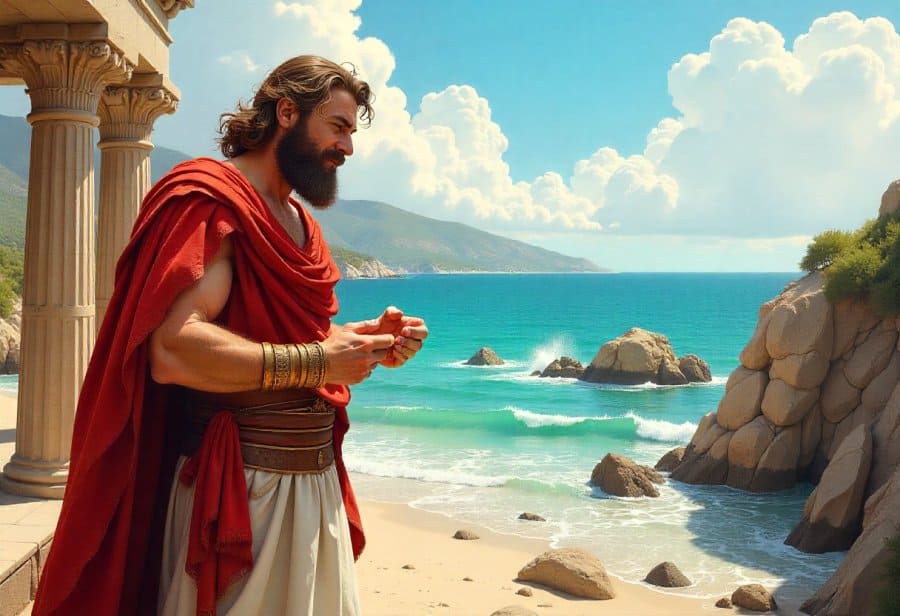
Unveiling Heroism: Symbols of Societal Dreams and Anxieties
Heroism has fascinated people for thousands of years, shaping stories that reveal what societies admire, fear, and aspire to. From ancient myths to modern comics, heroic figures serve as reflections of collective values—embodying traits like bravery, resilience, and morality that resonate deeply within their cultural contexts. These archetypes are more than just characters; they are symbols of a society’s ideals and anxieties, offering a lens through which we understand ourselves and our history.
Throughout history, different cultures have crafted their own versions of heroes, each shaped by unique social, political, and spiritual influences. In ancient Greece, heroes like Odysseus embodied cleverness, endurance, and moral integrity, mirroring a civilization that prized wit, honor, and mastery over divine forces. Their stories emphasized intelligence and virtue as the keys to overcoming divine wrath and natural chaos, reinforcing societal ideals of reputation and moral strength.
In contrast, modern hero archetypes, such as Batman, emerge from urban environments filled with social complexity and moral ambiguity. Today’s heroes often operate in a world where right and wrong are not always clear-cut. Their resilience and strategic thinking reflect contemporary fears of crime, corruption, and societal decay. These stories highlight the importance of moral flexibility and individual agency, illustrating how heroism adapts to the evolving fears and hopes of society.
Hero stories do more than entertain—they shape collective identity and moral values. They serve as mirrors, projecting societal aspirations and fears onto characters that inspire perseverance, cleverness, and resilience. Whether rooted in divine battles or urban struggles, these archetypes reveal what each era considers essential virtues and what it seeks to overcome. By examining these heroes, we gain insight into how societies define heroism and how those definitions shift over time in response to changing realities.
Ultimately, hero archetypes are dynamic symbols that evolve alongside human history. They reflect our deepest ambitions and anxieties, providing models of strength and morality tailored to the challenges of their respective eras. Understanding these stories helps us see how cultural values are expressed through heroism—showing that, across time, the core qualities of resilience, wisdom, and moral conviction remain central to the human experience.
Shaping Legends: How Cultures Craft Their Hero Archetypes
Throughout history, societies have crafted their hero archetypes to mirror their unique values, fears, and aspirations. In ancient Greece, heroes like Odysseus embodied traits such as cleverness, resilience, and moral strength—qualities that reflected a culture deeply rooted in honoring wit, endurance, and moral virtue. These stories often highlighted how heroism was intertwined with intelligence and virtue, serving as models of societal ideals. Odysseus’s ability to outthink enemies and navigate divine wrath exemplified their emphasis on mental agility and moral integrity, reinforcing the importance of reputation and honor.
As time progressed, the modern hero archetype shifted to meet new societal complexities. Today’s heroes, exemplified by figures like Batman, are shaped by urban environments and social chaos. Unlike Odysseus, who operated within a clearer moral universe, contemporary heroes often navigate moral grey areas, reflecting modern fears of crime, corruption, and societal decay. Their resilience and strategic thinking reveal an adaptation to a world where external threats are less divine and more human-made, requiring a different kind of heroism rooted in psychological resilience and moral nuance.
Cultural context doesn’t just influence hero traits but also the stories they tell. Ancient Greek myths often revolved around divine intervention, heroic deeds that upheld societal values, and a strict dichotomy between good and evil. These stories emphasized honor, loyalty, and mastery over divine and natural forces. Conversely, modern narratives like Batman’s explore themes of justice, revenge, and internal conflict, illustrating a society increasingly preoccupied with moral ambiguity and the complexities of individual responsibility in urban chaos.
The environment in which a society exists—whether divine, natural, or urban—shapes its heroes profoundly. Ancient heroes battled gods and monsters, symbolizing struggles against forces beyond human control. Today’s heroes confront social villains, internal struggles, and systemic issues, mirroring collective fears about societal stability. This evolution underscores how external threats transform into internal and societal dilemmas, prompting hero traits to evolve accordingly.
The values a society cherishes are reflected in its hero’s qualities. For ancient Greeks, heroism was about honor, wit, and resilience—traits that reinforced civic virtue and mastery over chaos. Modern heroes like Batman embody resilience and moral flexibility, emphasizing the importance of moral judgment and individual agency. These differences reveal how hero archetypes act as mirrors, exposing what societies admire, fear, and seek to overcome.
As societies change, so do their heroes. From divine champions to complex vigilantes, hero archetypes continually adapt to address new fears and hopes. Understanding this progression helps us see that hero stories are not static but living reflections of human history. They evolve to mirror our collective dreams and anxieties, inspiring us to confront the uncertainties of our own time.
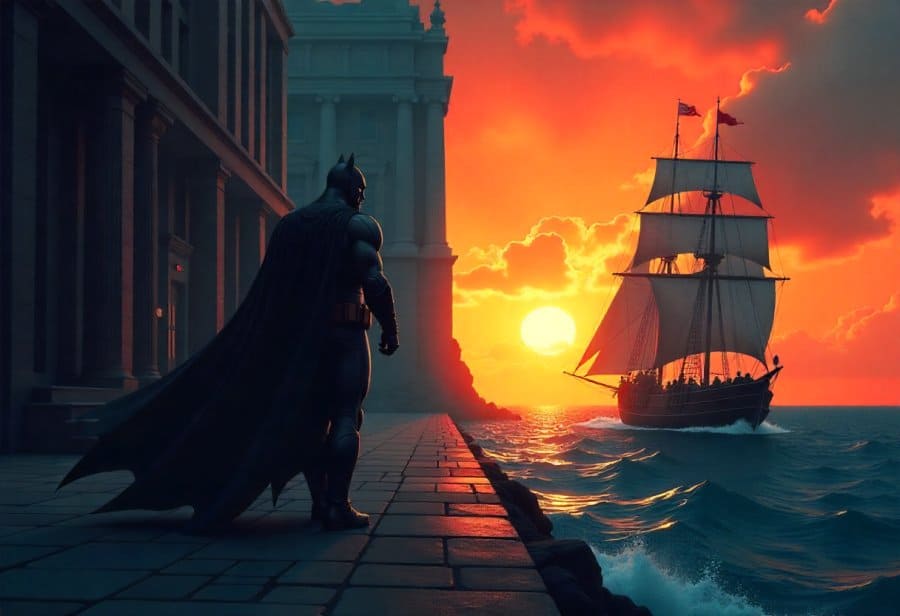
Odysseus versus Batman: Contrasting Traits of Heroism Across Ages
Odysseus and Batman exemplify two contrasting yet revealing visions of heroism shaped by their societies. Odysseus’s heroism is rooted in cleverness, resilience, and a strong moral compass—traits that reflect ancient Greek values. His stories emphasize wit and endurance, showcasing a hero who relies on strategic thinking and moral virtue to navigate divine wrath and natural challenges. This focus underscores a culture that prizes reputation, honor, and mastery over chaos, where heroism is about balancing personal ambition with societal expectations.
In contrast, Batman embodies a more complex, morally ambiguous form of heroism driven by resilience, strategic planning, and internal moral struggle. Operating in a gritty urban landscape, his story reflects modern fears of crime, corruption, and social decay. Unlike Odysseus’s relatively clear-cut moral universe, Batman’s world is shaded in grey, requiring flexibility and moral nuance. His resilience is emotional as much as physical, forged through trauma and internal conflict, highlighting a society that values individual agency and moral resilience in the face of systemic chaos.
Their traits of resilience and strategic thinking serve different societal needs. Odysseus’s resourcefulness during his long voyage underscores a culture that admired intelligence and moral integrity as means of overcoming divine and natural forces. Batman’s careful planning and psychological endurance mirror a society preoccupied with urban dangers and moral ambiguity, where overcoming external threats involves navigating internal conflicts and societal complexities. Both heroes reflect their worlds’ core anxieties and aspirations—one rooted in virtue and reputation, the other in resilience amid chaos.
Morality plays a crucial role in defining their heroism. Odysseus’s decisions are guided by a sense of duty, loyalty, and honor, even when they involve deception or risking divine punishment. These choices align with Greek ideals of heroism as a balance of personal virtue and societal duty. Conversely, Batman often crosses legal boundaries, driven by a moral commitment to justice that sometimes demands bending or breaking rules. His moral flexibility underscores a modern understanding that heroism may require navigating morally complex grey areas to achieve a greater good.
Despite their differences, both figures reveal how societal values shape hero archetypes. Odysseus’s cleverness and endurance symbolize a culture that celebrated mastery over divine and natural chaos, emphasizing honor and virtue. Batman’s resilience and moral ambiguity, meanwhile, embody a society confronting urban chaos and moral decay, where heroism involves moral resilience and strategic adaptability. Their stories serve as mirrors, reflecting the evolving fears, hopes, and moral priorities of their respective worlds.
In essence, Odysseus and Batman show that heroism is a flexible concept, molded by societal needs and cultural context. While their traits—wit, resilience, moral strength—remain universal, their expressions adapt to the specific challenges of their eras. These heroes inspire us by embodying qualities that resonate across time: the human drive to confront adversity, uphold moral values, and seek resilience in the face of chaos. Their enduring appeal underscores the timeless nature of hero archetypes, constantly evolving but always rooted in fundamental human ambition.
For a deeper understanding of how these contrasting hero traits are rooted in their cultural contexts, consider exploring a detailed comparative analysis of odysseus and batman’s heroism traits. Such insights reveal how ancient and modern values continue to shape our ideas of heroism today.
Icons of Identity: How Heroes Reflect and Influence Cultural Values
Odysseus and Batman are more than just stories—they are powerful symbols that shape how cultures perceive themselves and their core values. Odysseus, rooted in ancient Greek mythology, embodies traits like cleverness, resilience, and moral virtue. These qualities reinforced Greek ideals of honor, wisdom, and civic duty, helping define what it meant to be a hero in that society. His epic journey reflected the belief that intelligence and moral strength could triumph over divine and natural chaos, inspiring generations to value wit and virtue as keys to greatness.
Today, Batman continues to influence modern cultural identity, especially in urban environments. As a vigilante battling crime and corruption, he stands for resilience, strategic thinking, and moral resolve. His stories challenge us to reconsider what true heroism means in a complex world—one where justice is often gray and morality is nuanced. Batman’s persona encourages society to see heroism not just as physical strength but as mental resilience, moral flexibility, and the courage to face internal and external chaos alike.
Both Odysseus and Batman serve as mirrors of their societies’ deepest aspirations. Odysseus’s relentless quest for home and honor echoes Greek ideals of loyalty, reputation, and mastery over divine forces. His story fosters a collective identity rooted in perseverance, cleverness, and moral virtue. Conversely, Batman’s fight against urban crime and systemic decay embodies modern fears of chaos and moral ambiguity, emphasizing resilience and strategic adaptability as essential traits. These figures symbolize the hopes and anxieties of their times, shaping societal narratives about what it means to be a hero.
Their influence extends beyond entertainment, shaping moral and social norms. Odysseus’s cleverness and endurance became ideals for leadership and civic virtue, inspiring a culture that celebrates intelligence and moral integrity. Batman’s morally complex character advocates resilience and moral flexibility, urging society to embrace nuanced judgments in the face of urban challenges. Both heroes serve as moral touchstones, guiding societal values and inspiring individuals to confront adversity with resilience, wit, and moral resolve.
These archetypes also reveal how deeply hero stories are woven into the fabric of cultural identity. Odysseus’s journey exemplifies the Greek pursuit of honor and mastery over chaos, reinforcing a legacy of intellectual and moral strength. Batman’s urban crusade highlights contemporary fears but also embodies hope—the idea that resilience, strategy, and moral clarity can prevail amid disorder. Their stories continue to influence how societies define greatness, resilience, and moral integrity, shaping collective ideals across generations.
In the end, Odysseus and Batman show us that hero archetypes are dynamic symbols of cultural values and fears. They reflect what societies admire and aspire to, adapting over time to address new challenges. These figures inspire us to see heroism as a blend of resilience, intelligence, and moral conviction—traits that remain relevant no matter the era. Their enduring influence underscores the power of stories to shape our collective identity, guiding us toward resilience and moral clarity in an ever-changing world.
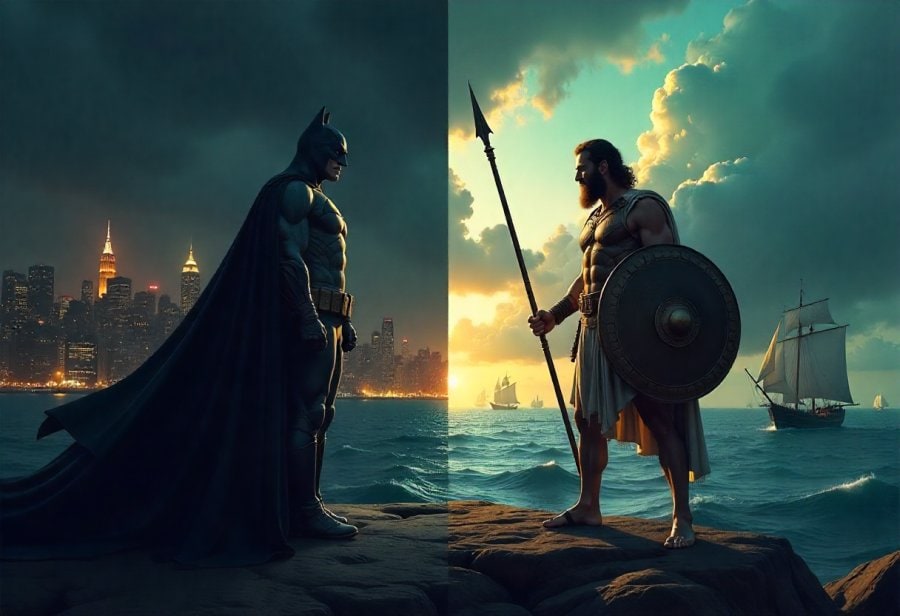
Reflections and Futures: The Enduring Power of Hero Archetypes
Examining the differences between Odysseus and Batman reveals how hero archetypes serve as reflections of their societies’ deepest values, fears, and hopes. Odysseus embodies qualities like cleverness, resilience, and moral virtue—traits that mirror an ancient Greek culture that celebrated wit, honor, and mastery over divine and natural chaos. His story underscores a world where intelligence and moral strength are the keys to overcoming divine wrath and natural adversity, shaping a collective identity rooted in perseverance and virtue.
In contrast, Batman’s character reflects a modern society grappling with urban chaos, social decay, and moral ambiguity. His resilience, strategic thinking, and moral complexity highlight a shift toward valuing individual agency and adaptability in a world where right and wrong are often blurred. Batman symbolizes the resilience needed to confront systemic issues and internal struggles, emphasizing that heroism today involves navigating moral grey areas and facing societal fears with strategic resilience.
This comparison shows that hero archetypes evolve alongside cultural shifts, yet their core qualities—courage, resilience, wisdom—remain universal. Odysseus’s cleverness and honor speak to a society that revered mastery over divine forces, while Batman’s moral flexibility and resilience mirror contemporary concerns about urban threats and moral decay. Both characters inspire us to confront adversity with strength and ingenuity, each embodying the virtues their worlds most needed.
Understanding these archetypes highlights how hero stories shape and reinforce cultural identity. They serve as moral compasses, illustrating what societies admire—be it virtue, intelligence, or resilience—and what they fear losing. The stories of Odysseus and Batman continue to influence how we see heroism, adapting to reflect the evolving landscapes of human ambition and societal challenge.
Looking ahead, hero narratives will likely continue to adapt, incorporating new traits that resonate with emerging fears and hopes. As societal priorities shift toward greater moral complexity, community, and empathy, future heroes may embody resilience combined with compassion and moral clarity. These stories will remain vital, helping us navigate moral landscapes and inspiring collective resilience amid change and uncertainty.
In the end, hero archetypes reveal that human ambition and the struggle to overcome adversity are timeless. Their stories remind us that resilience, wit, and moral strength are universal qualities, continuously shaped by cultural context. As societies evolve, so do their heroes, but their role as mirrors of collective dreams and fears remains unchanged—guiding us to face our challenges with courage, wisdom, and hope for a better future.