Imagine a future where urban flooding becomes a thing of the past—permeable pavers turn this vision into reality by allowing rainwater to naturally seep into the soil, reducing runoff and easing pressure on stormwater systems. These innovative surfaces not only prevent dangerous water pooling but also filter pollutants, supporting healthier ecosystems and groundwater recharge. But how effective are these eco-friendly solutions in real-world applications? As cities face increasing challenges from climate change and urban sprawl, permeable pavers offer a sustainable, aesthetic, and resilient way to manage water, transforming public spaces into vibrant, safer communities. From early innovations to advanced modern designs, their evolution underscores a crucial shift toward smarter urban planning. Will widespread adoption make flood-prone cities a thing of the past? With ongoing advancements promising even greater durability and environmental benefits, permeable paving stands at the forefront of creating greener, more resilient urban landscapes for generations to come.
Jump To Section
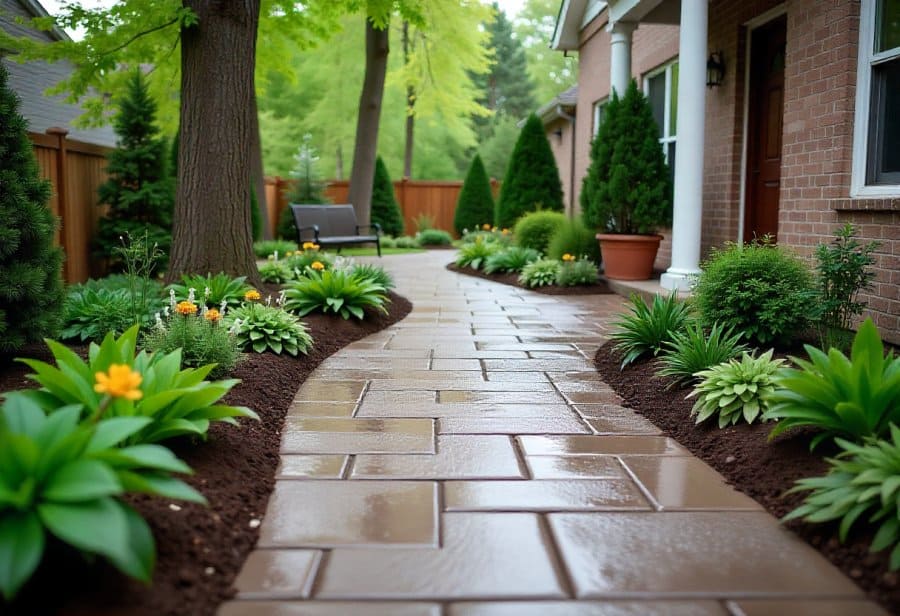
Revolutionizing Urban Flood Prevention with Permeable Pavers
Permeable pavers are changing the way cities handle stormwater by offering a practical, eco-friendly solution to urban flooding. Unlike traditional concrete or asphalt surfaces, these pavers allow rainwater to pass through their porous structures and seep naturally into the soil beneath. This process helps to reduce surface runoff, which is often responsible for overwhelming stormwater systems and causing street flooding during heavy rains.
When rainwater infiltrates through permeable pavers, it not only prevents pooling on streets and sidewalks but also supports groundwater recharge. This means that water is naturally filtered as it moves into the soil, trapping pollutants like oils, sediments, and metals before they can reach rivers or lakes. By promoting this natural filtration, permeable pavers contribute to healthier ecosystems and cleaner water sources.
The effectiveness of permeable paving relies heavily on proper installation. They are typically laid over a stable base of gravel or crushed stone that facilitates drainage. The joints between pavers are filled with permeable materials such as gravel or specialized compounds, allowing water to flow freely through. When installed correctly, these surfaces provide durable and reliable flood prevention, even in areas prone to frequent heavy rainfall.
As urban development continues to expand, the need for sustainable water management solutions grows more urgent. Permeable pavers address this challenge by mimicking natural water cycles, easing the burden on traditional stormwater infrastructure. They are versatile enough to be used in parking lots, walkways, and public spaces, seamlessly blending functionality with aesthetic appeal. This makes them an attractive choice for cities aiming to create greener, more resilient environments.
In essence, permeable pavers offer a simple yet powerful way to combat urban flooding. By allowing rainwater to naturally seep into the soil, they reduce runoff, support groundwater recharge, and help build more sustainable cities. As awareness of climate change’s impacts rises, adopting these surfaces becomes an increasingly important step toward a safer, healthier urban future.
From Gravel to High-Tech: The Evolution of Permeable Paving Innovations
The development of permeable paving technology has come a long way over the past few decades, driven by the urgent need for sustainable urban infrastructure. Early solutions mainly used porous materials like gravel, crushed stone, or simple permeable concrete, which served well in rural or low-traffic areas due to their affordability and ease of installation. While these materials provided basic drainage functions to reduce runoff, they often lacked the durability required for busy city environments, limiting their widespread adoption.
As cities expanded and the risks associated with flooding and water management became more pressing, innovations in materials and design began to emerge. Engineers developed interlocking concrete pavers and porous asphalt that combined strength with visual appeal. These advancements allowed permeable paving to be used in more demanding applications, such as parking lots, walkways, and public plazas, shifting the focus from just drainage to durability and aesthetics. This evolution made permeable surfaces a practical choice for urban settings, blending functionality with design.
Recent progress in materials science has further enhanced permeable pavers. Modern products now incorporate high-strength, crack-resistant materials capable of withstanding heavy traffic and harsh weather conditions. Modular interlocking systems have simplified installation and maintenance, ensuring stability and longevity. Surface textures and pore sizes have been optimized to maximize water infiltration and minimize clogging, helping these surfaces maintain their permeability over time. These technological improvements have transformed permeable pavers from a niche solution into a mainstream component of sustainable urban planning.
Over the last two decades, many cities worldwide have adopted permeable paving as part of their green infrastructure initiatives. Governments and urban planners increasingly include these surfaces in policies and incentives aimed at reducing flooding and supporting groundwater recharge. This shift reflects a broader recognition of permeable paving as a smart, environmentally friendly solution that addresses climate challenges while enhancing urban aesthetics. As a result, permeable pavers now stand at the forefront of innovative water management strategies in city design.
Looking ahead, ongoing research and technological advances promise to make permeable paving even more durable, cost-effective, and versatile. Developments such as eco-friendly recycled materials and smart drainage systems could further improve performance and accessibility. These innovations will likely accelerate adoption, helping cities adapt more effectively to climate change and urban growth. The journey from simple porous surfaces to sophisticated infrastructure solutions highlights permeable pavers’ vital role in building resilient, sustainable communities for the future.
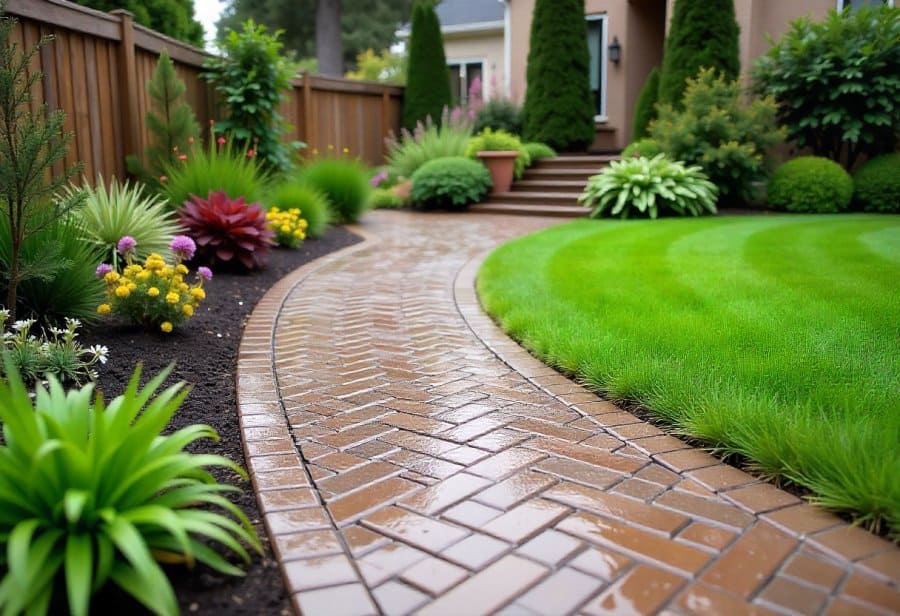
Today’s Solutions: How Permeable Pavers Mitigate Flooding and Enhance Water Quality
Today, permeable pavers are increasingly adopted in urban planning as a practical solution to stormwater management and flood reduction. They are commonly installed in parking lots, sidewalks, plazas, and residential areas, allowing rainwater to naturally seep into the ground. This process significantly decreases surface runoff, alleviating pressure on traditional stormwater systems and preventing street flooding during heavy rainfall. By enabling water to infiltrate directly into the soil, permeable pavers create safer, more stable environments, especially during intense storms.
The installation process involves preparing a stable base, typically with gravel or crushed stone, which promotes drainage. Modular pavers are then laid in specific patterns, with joints filled with permeable materials like gravel or specialized compounds that facilitate water flow. Proper installation is crucial to ensure these surfaces perform effectively over time, preventing shifting or clogging that could reduce permeability. Once in place, routine maintenance—such as debris removal—keeps pores open and allows water to flow freely.
Different regions and climates influence design choices for permeable pavers. In wetter areas, maximizing water infiltration supports groundwater recharge, while in high-traffic zones, durability takes precedence. This flexibility helps permeable paving adapt to various needs, blending functionality with aesthetic appeal. As a result, municipalities are deploying these surfaces not just for flood control but also to enhance the look and usability of public spaces, parks, and community areas.
Beyond flood mitigation, permeable pavers play a vital role in water quality improvement. As rainwater passes through their porous surfaces, pollutants like oils, sediments, and heavy metals are naturally trapped and filtered out. This process reduces contamination in runoff water before it reaches groundwater or nearby water bodies, supporting healthier ecosystems and cleaner waterways. Supporting groundwater recharge through permeable paving is especially valuable in drought-prone regions facing climate shifts.
Maintaining permeability requires ongoing care. Pores can become clogged with dirt, debris, or sediments, diminishing their effectiveness. Regular cleaning, such as sweeping or gentle power washing, is essential to keep pores unobstructed. Proper design and regional considerations, including weather patterns and traffic volume, are key to ensuring long-term performance. When installed and maintained correctly, permeable pavers stand out as a reliable, scalable solution for urban flood prevention and water management.
The practical benefits of permeable pavers extend beyond flood control. They contribute to healthier communities by reducing water pooling on streets and sidewalks, which enhances safety and accessibility during storms. These surfaces also support groundwater recharge, helping to sustain local water supplies and reduce reliance on external sources. Their aesthetic versatility encourages outdoor activity and social engagement, transforming functional spaces into vibrant community hubs.
Cities that have integrated permeable pavers into their infrastructure report noticeable improvements in flood resilience. Retrofit projects and new developments demonstrate how targeted implementation decreases runoff during storms, protecting neighborhoods and properties. These real-world successes highlight the potential of permeable paving to serve as a cornerstone of sustainable urban design, especially as climate variability increases.
When properly installed and maintained, permeable pavers continue to deliver their flood mitigation and water filtration benefits for decades. They are a practical, long-term investment that aligns with broader goals of sustainable urban growth. As awareness grows and technology advances, permeable pavers are poised to become an essential element in creating safer, greener, and more resilient cities worldwide.
Implementing permeable pavers is a strategic step toward sustainable water management, especially in the face of increasing climate variability. Their ability to support groundwater recharge and improve water quality makes them a vital component of modern urban infrastructure. As highlighted in recent studies, permeable pavers promote groundwater recharge and water filtration, contributing to healthier ecosystems and resilient city environments.
Building Community Resilience Through Practical and Aesthetic Urban Surfaces
Implementing permeable pavers in urban areas offers tangible benefits that extend well beyond flood prevention. When rainwater can naturally seep into the ground instead of pooling on hard surfaces, communities experience fewer disruptions during storms. Streets and sidewalks remain safer and more accessible, reducing traffic delays and protecting properties from water damage. This practical change helps neighborhoods stay functional even during heavy rain events, supporting residents, businesses, and emergency responders alike.
These surfaces also play a vital role in improving water quality. As rainwater passes through permeable pavers, pollutants like oils, sediments, and heavy metals are naturally trapped and filtered out. This process reduces contamination in runoff water before it reaches groundwater or nearby water bodies, supporting healthier ecosystems and cleaner waterways. Supporting groundwater recharge through permeable paving is especially important in regions facing drought or climate shifts, helping to sustain local water supplies and reduce reliance on external sources.
Beyond flood control and water quality, permeable pavers add aesthetic value and create inviting public spaces. Parks, plazas, and residential gardens featuring permeable surfaces tend to be greener and more vibrant. They seamlessly blend functionality with visual appeal, encouraging outdoor activities and social interactions. These well-designed spaces foster community engagement while promoting environmental goals, making them valuable assets for urban renewal projects.
Community resilience grows stronger with the adoption of permeable paving, especially as cities face increasing climate variability. Areas with permeable surfaces are better equipped to handle frequent and intense storms, reducing the strain on traditional stormwater infrastructure. This resilience translates into fewer emergency responses, less property damage, and safer neighborhoods. As climate challenges become more pronounced, permeable pavers offer a flexible, cost-effective way to safeguard urban environments and support long-term sustainability.
Many cities have already seen the practical impact of permeable pavers through retrofit projects and new developments. Installing these surfaces in high-traffic zones like parking lots and public squares has noticeably decreased surface runoff during storms. These successes demonstrate how targeted use of permeable paving can significantly reduce flooding risks, making communities safer and more livable. When combined with proper maintenance, permeable pavers prove to be a reliable, long-lasting solution that enhances urban resilience and promotes sustainable growth.
Transform Your Toronto Outdoor Space with Expert Landscaping Solutions
Discover the difference that Toronto Landscape & Design can make for your outdoor space. Our award-winning designers take everything into consideration to create stunning landscapes using natural stone, water gardens, irrigation systems, and retaining walls. Whether you’re looking to reduce backyard flooding or craft a beautiful retreat, our team is dedicated to bringing your vision to life. As Toronto’s trusted landscape specialists, we prioritize functionality and beauty to enhance your property’s value and appeal. Contact us at https://TorontoLandscapeDesign.com or call 1.416.644.0499 to start transforming your yard today.
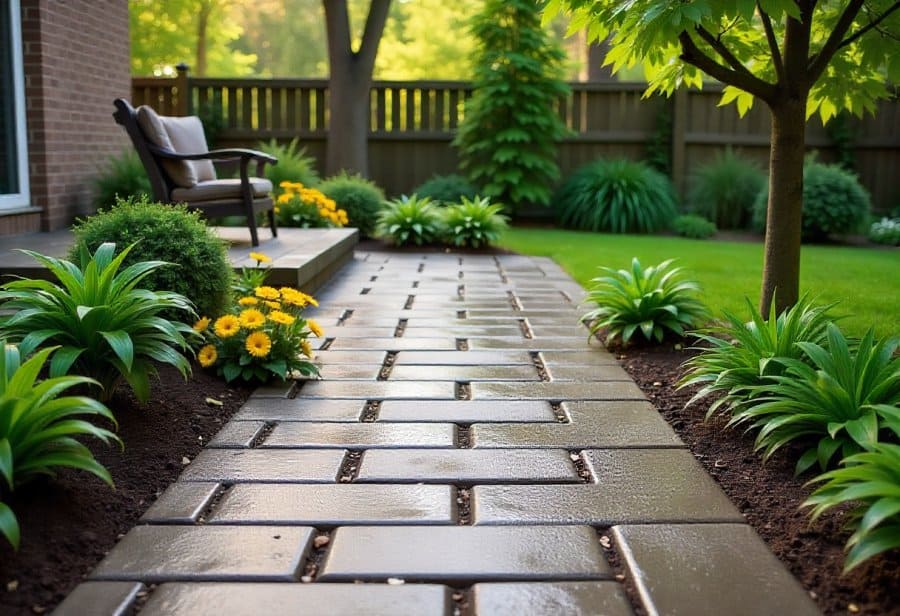
Charting the Future: Embracing Sustainable, Innovative Permeable Paving for Urban Resilience
As cities continue to grow and climate change brings more frequent and intense storms, permeable pavers are emerging as an essential tool in sustainable urban water management. Their ability to reduce runoff, support groundwater recharge, and prevent flooding makes them a key component of resilient city planning. Future innovations in materials and design are poised to make permeable pavers even more durable, cost-effective, and versatile, encouraging broader adoption worldwide. This progress will help cities adapt more effectively to environmental challenges, turning permeable paving into a standard feature of smarter, greener urban landscapes.
Permeable pavers stand out because they mimic natural water cycles, allowing rainwater to seep into the soil, reducing surface runoff, and easing pressure on stormwater infrastructure. Their capacity to filter pollutants while supporting groundwater recharge offers clear environmental benefits. As climate concerns heighten, integrating these surfaces into urban development becomes not just smart but necessary for long-term resilience.
However, some challenges remain. Higher upfront costs and maintenance routines can be barriers, especially in regions with limited budgets. Keeping pores unclogged through regular cleaning and ensuring proper installation are vital to maintaining their effectiveness. Advances in eco-friendly materials, smart drainage systems, and standardized guidelines are essential to overcoming these hurdles and expanding accessibility.
Looking ahead, ongoing research and technological progress promise to enhance the performance of permeable pavers. Recycled, eco-friendly materials and adaptive drainage technologies could further lower costs and improve longevity. These innovations will likely accelerate widespread adoption, helping cities better manage climate impacts and urban growth. Embracing these advancements will reinforce the role of permeable paving as a cornerstone of sustainable infrastructure.
The shift toward permeable surfaces reflects a broader move to greener, smarter cities that prioritize environmental health alongside development. By integrating permeable pavers into urban landscapes, communities can create safer, more resilient environments capable of withstanding future challenges. This transition not only addresses immediate flood risks but also fosters a culture of sustainable growth and ecological responsibility.
As awareness continues to grow, cities that invest in permeable paving today will be better equipped for tomorrow’s environmental realities. These surfaces support healthier ecosystems, conserve water, and enhance urban aesthetics—all while providing durable flood prevention. The ongoing evolution of permeable pavers underscores their vital role in shaping sustainable, adaptable communities for decades to come.