Few moments in life evoke such pure joy as a dog’s outdoor walk—the wagging tail, curious nose, and gleaming eyes capturing a world of happiness in motion. But why do these simple routines hold such profound meaning for both pets and owners? This exploration reveals that outdoor adventures do more than provide exercise; they nourish a dog’s mental and emotional well-being through sensory engagement, natural exploration, and trust-building. How does the environment—from sunlit parks to shaded trails—shape a dog’s experience, and how can owners tailor outings to maximize joy? The key lies in understanding their physical and psychological responses, recognizing triggers, and thoughtfully crafting shared journeys that deepen bonds. Ultimately, these walks remind us that life’s simplest pleasures—fresh air, freedom, and companionship—are often the most meaningful, transforming everyday routines into treasured rituals of happiness and connection.
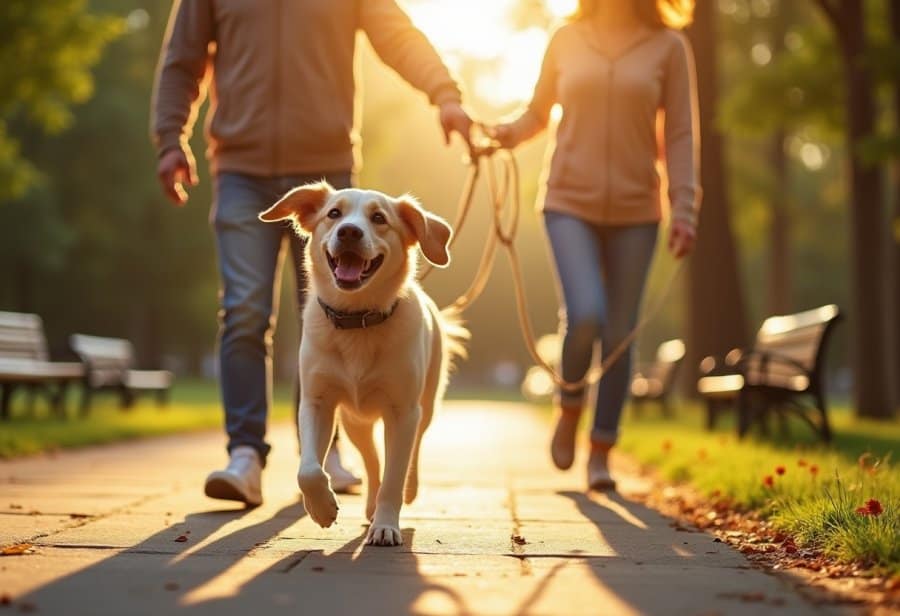
Experience the Pure Joy of Sunny Outdoor Walks with Your Dog
Few moments in life capture the pure joy of a dog quite like a sunny outdoor walk. Watching a dog’s tail wag enthusiastically, ears perked up, and nose to the ground is a simple pleasure that speaks to what makes these outings so special. For dogs, these walks are more than just routine—they’re a vital part of their happiness and well-being. They offer a chance to explore new scents, sights, and sounds that tap into their natural instincts and provide both mental and physical stimulation.
For owners, these shared experiences go beyond exercise. They foster a unique bond rooted in trust and companionship. Seeing your dog’s excitement and curiosity as they sniff through a park or trail reminds us why we cherish these moments so much. It’s not only about keeping them active; it’s about sharing a slice of life that fuels mutual happiness and deepens the connection. Each tail wag and happy bark reinforce that these walks are more than just routines—they’re cherished rituals.
Natural environments significantly amplify a dog’s enjoyment. When they venture into parks, forests, or open fields, their senses come alive. The variety of smells—from blooming flowers to fresh earth—turns a simple walk into a fascinating adventure. Visually, the scenery of trees, water, and wildlife sparks curiosity and encourages exploration. These settings also allow dogs to move freely, run, and stretch, benefiting their physical health and emotional balance.
It’s easy to overlook how much these outdoor moments contribute to overall happiness. The fresh air, warmth of the sun, and sense of freedom help lift a dog’s mood. These walks remind us that happiness doesn’t always require grand gestures; sometimes, it’s found in a leisurely stroll through a park or along a trail. They are simple routines filled with opportunities for joy, discovery, and bonding that enrich both pet and owner’s lives.
In today’s busy, overstimulating world, outdoor walks offer a peaceful, grounding experience. They allow dogs to reconnect with nature and their instincts, providing a sense of freedom and contentment that’s hard to find elsewhere. For owners, these moments serve as a much-needed break from daily stress—a chance to slow down and enjoy the simple pleasures of life. It’s a gentle reminder that happiness often resides in the small, authentic moments shared with our pets.
Ultimately, the beauty of a dog’s outdoor walk lies in its simplicity. It’s a routine that nurtures health, sparks joy, and strengthens bonds. Watching a dog revel in the outdoors reminds us that life’s most meaningful pleasures are often the simplest—found in the fresh air, open space, and the quiet trust shared during each step. These walks serve as a gentle reminder that happiness can be as straightforward as a sunny day, a curious nose, and a loyal companion by your side.
Uncover What Truly Fuels Canine Happiness During Adventures
Understanding what fuels a dog’s happiness during outdoor activities goes beyond simply observing their wagging tail. It involves recognizing the physical and mental factors that come together to create those moments of genuine joy. When dogs run, explore, or sniff their surroundings, their bodies release endorphins—natural chemicals that boost mood and reduce stress. This physiological response explains why a tired dog often appears more relaxed, balanced, and eager for the next adventure.
On the mental side, dogs thrive on sensory stimulation. Their sense of smell is remarkably acute—far more sensitive than ours—and it plays a crucial role in their enjoyment of outdoor walks. Every new scent, whether from blooming flowers or a passing squirrel, turns a simple stroll into an engaging detective game. This mental engagement not only satisfies their curiosity but also prevents boredom, keeping their minds sharp and active. When dogs are mentally stimulated, their overall happiness deepens, making each walk feel like a new discovery.
Bonding with their owner during these outings significantly amplifies a dog’s happiness. Gentle praise, playful interactions, or just shared quiet moments of trust reinforce emotional security. When dogs feel safe and supported, they’re more likely to relax and fully enjoy their environment. This sense of companionship transforms a routine walk into a shared experience of joy, strengthening the connection rooted in trust and love.
Natural environments, with their rich variety of sights, sounds, and smells, serve as a vital part of a dog’s happiness. Parks, forests, and open fields challenge their physical abilities and stimulate their senses, turning an ordinary walk into an adventure. Changing terrains and new surroundings foster curiosity and confidence, encouraging dogs to explore more actively. These environments nurture their natural instincts and emotional well-being, making each outing unique and rewarding.
Environmental factors, such as noise levels or weather conditions, influence how much a dog enjoys their outdoor experience. Loud sounds like sirens or busy streets can cause stress, especially in sensitive dogs, while chaotic settings may lead to anxiety. Likewise, extreme heat or cold can make walks uncomfortable or unsafe. Recognizing your dog’s reactions and choosing appropriate times and places ensures that outdoor activities remain positive and enjoyable, rather than overwhelming.
Weather and terrain also shape a dog’s happiness. Sunny, mild days tend to energize and uplift them, while harsh weather can dampen their enthusiasm. Diverse landscapes—like rocky trails or grassy meadows—offer new challenges and sensory experiences that keep their minds engaged. When the environment aligns with their comfort and curiosity, dogs are more likely to feel relaxed, confident, and eager to explore.
Finally, understanding these physical and psychological factors allows owners to create outdoor experiences tailored to their dog’s needs. By paying attention to their reactions and preferences, you can enhance every walk, turning it into a meaningful moment of joy. When a dog’s physical health and mental curiosity are nurtured, their happiness isn’t fleeting—it becomes a natural, ongoing part of their relationship with their owner.

Discover How Different Environments Shape Your Dog’s Joy
Different outdoor environments can have a profound effect on how much a dog enjoys their walk. Sunny days spent in open parks or sprawling fields tend to lift their spirits, thanks to the warmth and brightness that energize them. When the sun is out, dogs often become more playful, eager to explore every corner, turning a simple stroll into a lively adventure. The cheerful atmosphere created by sunlight encourages movement and curiosity, making each walk feel fresh and exciting.
Natural scenery plays a key role in keeping dogs engaged. Trails winding through forests, along streams, or across grassy meadows offer a variety of sights, sounds, and smells that stimulate their senses. Changing terrain—rocky patches, soft grass, or sandy paths—adds new challenges and discoveries, transforming routine walks into mini explorations. These diverse landscapes invite dogs to use their natural instincts, fostering confidence and curiosity while deepening the bond with their owner.
However, not all environments boost a dog’s happiness. Loud noises from sirens, construction, or busy streets can cause stress, especially in more sensitive or shy dogs. Overcrowded or chaotic settings might overwhelm them, leading to anxiety or reluctance to continue. Recognizing your dog’s reactions is crucial; choosing quieter, familiar places can help maintain a positive experience and prevent unnecessary stress.
Weather conditions also influence how much a dog enjoys outdoor walks. Hot days can make the ground too hot for paws and pose health risks like dehydration or heatstroke, while cold or rainy weather might cause discomfort or hesitation. Planning walks during cooler times of day and dressing your dog appropriately can ensure they remain comfortable and safe, keeping outdoor adventures enjoyable regardless of the forecast.
Terrain itself shapes the quality of the walk. Natural features such as streams, hills, or wooded areas challenge your dog physically and mentally. Uneven ground encourages active exploration and helps build confidence, while varied textures stimulate their senses. When the environment offers enough diversity, dogs stay engaged and enthusiastic, turning each outing into a memorable journey rather than a routine chore.
Environmental distractions—like loud, sudden noises, unfamiliar animals, or unpredictable crowds—can sometimes dampen a dog’s mood. Some may become anxious or hesitant, pulling back or trying to hide. Being aware of these triggers helps you select routes and times that better suit your dog’s temperament. Quieter, less crowded settings promote feelings of safety and calm, making the walk a positive experience rather than a source of stress.
By understanding how different settings impact your dog’s mood and behavior, you can tailor outings to suit their needs. Whether it’s a sunny day in a quiet park or a shaded trail in the woods, matching the environment to your dog’s personality makes a big difference. When they feel comfortable and stimulated, they’ll relax, enjoy the moment, and return home happier. Thoughtful choices in location and timing turn everyday walks into meaningful, joyful rituals that strengthen your bond.
Transform Routine Walks into Exciting, Meaningful Experiences
Making outdoor walks more enjoyable and meaningful often starts with small changes that can turn a routine outing into a memorable adventure. Changing your route regularly keeps things fresh, stimulates your dog’s curiosity, and invites exploration. Whether it’s trying a new park, a different trail, or a quieter neighborhood street, these tweaks offer new sights, smells, and experiences that prevent boredom and deepen your bond.
Pay close attention to your dog’s body language. Signs of stress or fatigue—like pulling on the leash, lip licking, or hesitating—are cues to slow down or find a more peaceful spot to relax. Adjusting your pace or environment helps keep the walk positive, ensuring your dog remains comfortable and eager to explore. Using treats or praise during these moments reinforces good behavior and creates a sense of reward, turning the outing into a shared success.
Adding mental activities during your walk can significantly boost your dog’s engagement. Simple games like fetch in an open space or scent trails that challenge their natural instincts make the experience more stimulating. These activities give your dog a purpose and help prevent boredom, which contributes to their emotional well-being. When their minds are occupied alongside their bodies, they leave each walk feeling satisfied and balanced.
Preparation also plays a crucial role. Carry water on hot days and plan your outings during cooler times to avoid extreme weather. Wearing a comfortable harness ensures control without discomfort, while choosing quieter times—early mornings or late evenings—reduces exposure to noise and crowds that might unsettle your pet. Thoughtful planning shows your dog you care, making each walk smooth and enjoyable for both of you.
Incorporating opportunities for social interaction can enhance the outdoor experience. Parks and trails often provide chances for supervised play with other dogs or gentle encounters with people. These interactions help your dog develop social skills and confidence, enriching their outdoor adventures. Observing their reactions and facilitating positive encounters deepen their trust and enjoyment.
Ultimately, tailoring your walks to your dog’s personality and needs transforms routine outings into meaningful moments. Whether it’s adjusting the route, activity, or timing, these small changes can make a big difference. When your dog feels supported, stimulated, and safe, every walk becomes a cherished part of your shared life—more than exercise, it’s an opportunity for connection and discovery.
By paying attention to your dog’s cues and preferences, you create a positive environment that fosters happiness and trust. A walk that’s engaging and relaxing for your pet benefits their physical health and emotional well-being, strengthening your bond with each step. These thoughtful touches turn everyday walks into treasured rituals, reminding us that the best outdoor experiences often come from simple, genuine moments shared with our canine companions.
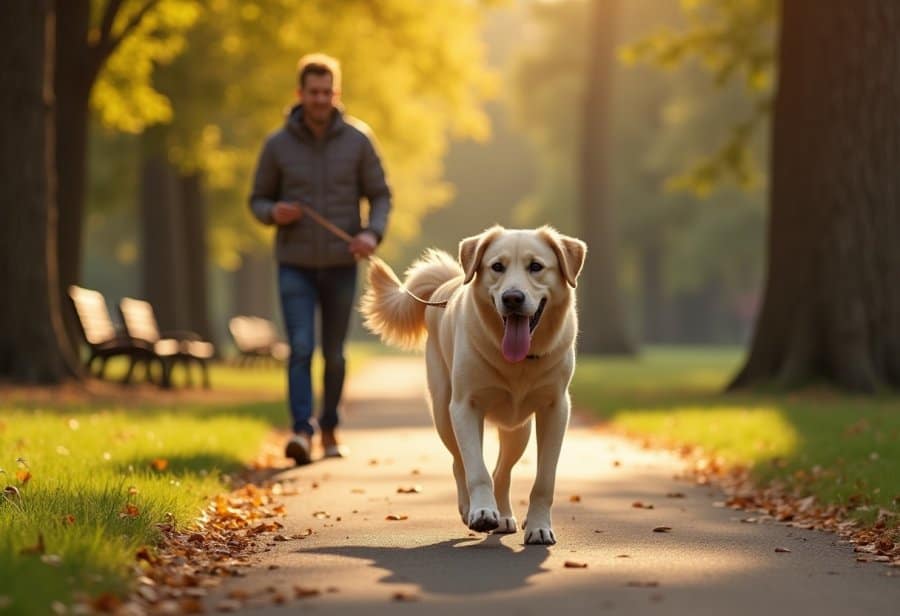
Embrace the Simple Magic of Outdoor Walks and Deepen Your Bond
Outdoor walks might seem like simple routines, but their impact on a dog’s happiness and the bond with their owner runs much deeper. These moments of exploration and connection, filled with fresh air and natural stimuli, are pure sources of joy that remind us how much happiness can come from the smallest experiences. A walk in the park or a quiet trail isn’t just about physical activity; it’s about shared discovery and trust. Watching your dog sniff, explore, and revel in their surroundings shows how truly alive they feel—and that feeling is contagious.
For owners, these outdoor adventures are more than just exercise. They lay the foundation for a relationship rooted in trust, affection, and mutual understanding. When a dog feels safe and supported during walks, their confidence grows. This emotional security deepens the bond, turning routine outings into treasured moments of connection that strengthen your companionship over time. These walks become shared rituals that foster a sense of safety and belonging, vital for your dog’s well-being.
The beauty of these outdoor moments lies in their simplicity. The warmth of the sun, the rustling leaves, the scent of fresh grass—these are the elements that shape a dog’s sense of happiness. They don’t need fancy toys or elaborate outings; they thrive on authentic experiences in nature’s embrace. These small, everyday adventures cultivate contentment and a sense of freedom that can’t be replicated indoors. Watching a dog enjoy these simple pleasures reminds us that the greatest joys often come from life’s uncomplicated moments.
Beyond emotional benefits, outdoor walks support a dog’s physical health. Regular activity reduces stress, boosts mood, and keeps their bodies strong. The variety of sights, sounds, and smells stimulates their senses, preventing boredom and encouraging curiosity. When dogs are physically active and mentally engaged, they tend to be more relaxed, balanced, and genuinely happy—traits that benefit their overall well-being and your relationship.
This harmony between physical and mental stimulation is what makes outdoor walks so powerful. They do more than tire a dog out; they nourish their spirit and foster a deep sense of trust. Each step taken together is a step toward a more confident, content, and loving partnership. It’s in these shared moments that the true magic of canine happiness reveals itself—simple, authentic, and profoundly meaningful.
Choosing environments that suit your dog’s temperament enhances these benefits. Whether it’s a sunny park, a shaded forest trail, or a quiet neighborhood street, matching the setting to their needs promotes comfort and curiosity. When dogs feel safe and stimulated, they relax and enjoy the experience fully, turning each walk into a positive, bonding ritual. These tailored moments of joy become a natural extension of your care and understanding.
In the end, outdoor walks embody the essence of pure, uncomplicated happiness. They remind us that life’s most meaningful pleasures are often found in the simplest routines—trust, exploration, and shared discovery. These moments nourish both body and soul, strengthening the bond between dog and owner in ways words can’t always capture. Each step outdoors is a gentle reminder that happiness isn’t about grand gestures but about embracing the beauty of everyday life with the ones we love.