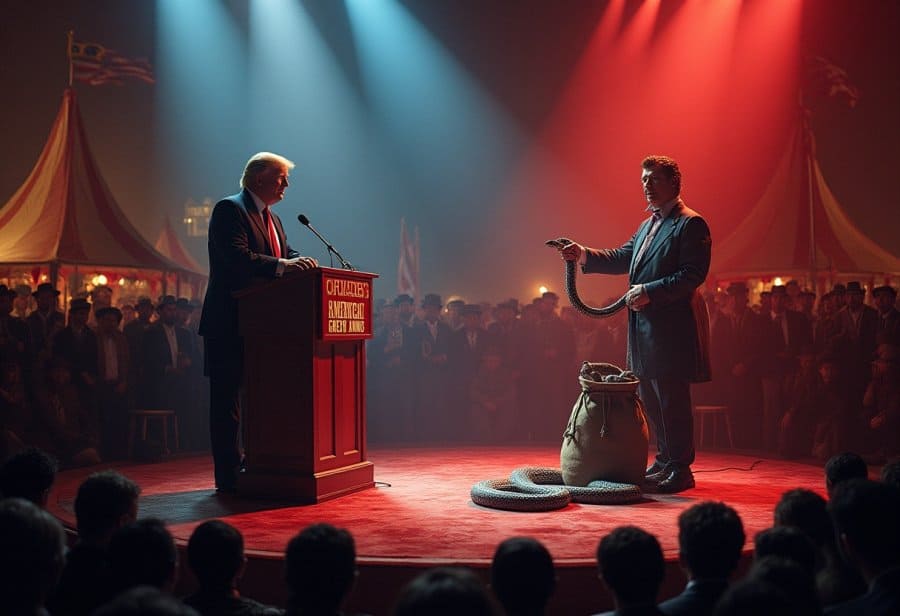
Galileo Galilei, revered as the father of modern science, revolutionized our understanding of the universe with groundbreaking discoveries and innovative methods. His support for the heliocentric model challenged the long-standing geocentric views upheld by the Church, placing him at odds with religious authorities. Despite facing censorship and house arrest, Galileo’s commitment to evidence-based inquiry and meticulous observation laid the foundation for the scientific method still in use today. His courage to question dogma symbolized a broader conflict between progress and tradition, inspiring future generations to prioritize curiosity and truth over institutional authority. Today, his legacy endures as a beacon of scientific independence, emphasizing the importance of skepticism, empirical evidence, and intellectual freedom. Galileo’s story continues to resonate, reminding us that questioning accepted beliefs and challenging power structures are essential for societal and scientific advancement in an ever-evolving world.
Galileo: The Revolutionizer Who Changed Our View of the Universe
Galileo Galilei’s name is synonymous with scientific revolution. His innovative methods of observation and experimentation transformed our understanding of the universe, earning him recognition as the “father of modern science.” Moving beyond reliance on ancient authorities, Galileo emphasized evidence and systematic inquiry, laying the groundwork for the scientific method still in use today. His groundbreaking discoveries, such as the moons of Jupiter and detailed sunspots, challenged long-held beliefs and opened new paths for exploring celestial mechanics.
But Galileo’s influence extended far beyond his scientific findings. His willingness to question and confront authority made him a controversial figure. Supporting the heliocentric model—placing the Sun at the center of the solar system—he directly challenged the Church’s teachings, which upheld the geocentric view rooted in tradition and scripture. His outspoken advocacy and discoveries ignited fierce conflict with religious authorities, ultimately leading to his trial and house arrest.
Galileo’s story embodies a broader tension—between progress and tradition, innovation and institutional power—that continues to resonate. His pursuit of truth, even at great personal risk, exemplifies the power of curiosity and questioning in driving societal change. Understanding his legacy helps us see how one person’s determination to uncover the universe’s secrets can spark a revolution that reshapes science and culture alike. His life remains a testament to the enduring importance of challenging dogma and embracing evidence in the quest for knowledge.
Before Galileo: A Universe Bound by Tradition and Authority
Before Galileo’s time, the universe was understood through a lens shaped by ancient Greek thinkers like Aristotle and Ptolemy. Their geocentric model placed Earth at the center, with all celestial bodies orbiting in perfect spheres. This worldview was deeply intertwined with religious teachings, especially within the Catholic Church, which saw Earth—and by extension, humanity—as the focal point of divine creation. Scientific inquiry was primarily based on tradition and authority, making deviation from accepted ideas risky and often met with censorship or outright rejection.
The scientific environment was rigid and resistant to change. Most scholars relied heavily on ancient texts, and new ideas that challenged the status quo faced skepticism or outright opposition. The boundaries between faith, philosophy, and science blurred, creating a societal framework where questioning long-held beliefs was taboo. This atmosphere made it difficult for revolutionary ideas, like those Galileo would later promote, to gain acceptance without provoking controversy.
Galileo’s innovations marked a turning point. His improvements to the telescope enabled celestial observations that directly challenged the geocentric worldview. Discoveries such as Jupiter’s moons, the phases of Venus, and sunspots provided tangible evidence that not all celestial bodies revolved around Earth. These findings supported the heliocentric model proposed earlier by Copernicus, which placed the Sun at the center of the solar system. His emphasis on empirical observation and experimentation laid the groundwork for the scientific revolution, shifting authority from ancient texts to direct evidence.
However, this shift threatened established religious doctrines. The Catholic Church had long upheld the geocentric model as compatible with biblical teachings. Galileo’s support for heliocentrism posed a challenge to this authority, igniting a conflict that would culminate in his trial and house arrest. His life underscores the tension between emerging scientific truths and entrenched institutions, a struggle that continues to shape the relationship between science and faith today.
Defying Dogma: How Galileo Challenged the Church’s Authority
Galileo challenged the authority of the Church by boldly supporting the heliocentric model, which directly contradicted the long-standing geocentric view endorsed by religious doctrine. His use of the telescope to observe moons orbiting Jupiter provided concrete evidence that not all celestial bodies revolved around Earth, a discovery that fundamentally questioned the universe’s accepted structure. When Galileo published *Sidereus Nuncius* in 1610, he promoted these findings openly, sparking controversy among religious authorities who saw his ideas as a threat to biblical interpretations and church teachings.
His persistent advocacy for heliocentrism, despite warnings and opposition, demonstrated a refusal to accept dogma without question. Galileo insisted that nature’s truths should be uncovered through careful observation and evidence, not solely through scripture or tradition. This stance put him at odds with the Church’s authority, which viewed his ideas as heretical and dangerous. His willingness to stand by his discoveries, even when faced with censorship and censure, exemplified an act of intellectual rebellion that challenged the established order.
The conflict reached its peak in 1633 when Galileo was tried before the Inquisition. Forced to recant his support for heliocentrism, he was sentenced to house arrest, and his works were placed on the Index of Forbidden Books. This episode revealed how deeply rooted the Church’s authority was and how difficult it was for revolutionary scientific ideas to gain acceptance within a society where faith and doctrine were intertwined with daily life. Galileo’s challenge to authority was not just about scientific discovery but about questioning the foundations of institutional power that had long shaped Western thought. His stand for evidence-based science and his courage to defy dogma marked a turning point, inspiring future generations to pursue truth beyond the confines of tradition.
Galileo’s Enduring Legacy: Inspiration and Debate in the Modern Age
Galileo’s legacy of defiance continues to influence how we perceive science and authority today. His unwavering commitment to evidence-based discovery challenged deeply rooted beliefs, paving the way for a culture that values skepticism and inquiry over dogma. Modern scientists and thinkers often look back at his boldness as a blueprint for intellectual independence, reminding us of the importance of questioning accepted norms in pursuit of truth.
His approach to scientific investigation—centered on careful observation, experimentation, and reproducibility—laid the foundation for the scientific method we rely on now. Techniques such as peer review and systematic data collection trace back to Galileo’s emphasis on testing hypotheses through direct evidence. This shift from authority-based knowledge to empirical inquiry transformed research disciplines and continues to underpin scientific progress across fields.
Public perception of Galileo remains a compelling mix of admiration and nuanced debate. Many view him as a hero who fought oppressive systems to advance human understanding, celebrating his courage and pioneering spirit. His story is frequently invoked as a symbol of resistance against dogma, inspiring ongoing conversations about the importance of academic freedom and open dialogue. Yet, critics argue that framing him solely as a martyr can oversimplify the complex circumstances of his time, overlooking both the risks he faced and the societal resistance he challenged.
Galileo’s story offers enduring lessons on resilience and integrity. His readiness to stand firm for evidence over tradition highlights the vital role of courage in scientific progress. In today’s world, where issues like climate change, technological ethics, and public health demand honest inquiry, his example reminds us that questioning authority and embracing curiosity are essential for meaningful advancement. His legacy continues to serve as a beacon for those committed to truth and intellectual freedom.
Today’s Reflection: Celebrating and Questioning Galileo’s Impact
Today, Galileo’s legacy remains a powerful symbol of scientific courage and independence. His willingness to challenge deeply rooted beliefs paved the way for a culture that values evidence, skepticism, and open inquiry. Modern science continues to draw inspiration from his example, emphasizing careful observation and experimentation as the foundations of knowledge. Techniques like peer review, reproducibility, and systematic data collection, all rooted in Galileo’s approach, underpin research across disciplines and ensure that conclusions are based on solid evidence rather than authority or tradition.
Public perception of Galileo is a mix of admiration and nuanced debate. Many see him as a hero who dared to stand against oppressive institutions in pursuit of truth, celebrating his relentless quest for knowledge. His story is often invoked as a symbol of resistance against dogma, reminding us of the importance of safeguarding academic freedom and fostering a climate where questioning is encouraged. Yet, some critics caution against oversimplifying his role, pointing out the complexities and risks he faced in challenging societal and religious norms of his time.
Galileo’s challenge to authority continues to resonate in contemporary debates about science and society. His unwavering commitment to empirical evidence and intellectual independence highlights the ongoing tension between progress and tradition. In an era confronting climate change, technological ethics, and public health crises, his example underscores the importance of questioning assumptions and resisting pressures to silence dissent. His legacy encourages future generations to pursue truth with resilience, integrity, and a readiness to confront the status quo, ensuring that scientific inquiry remains a dynamic force for societal advancement.