Embarking on your first camping adventure can seem intimidating—gear, safety, and unfamiliar surroundings may trigger hesitation. Yet, with the right mindset, this daunting task transforms into an exciting journey of discovery and growth. By embracing flexibility, focusing on learning, and preparing thoughtfully, you turn obstacles into memorable stories. What if setbacks, like weather shifts or equipment mishaps, become part of the adventure rather than obstacles? Modern gear innovations and eco-friendly trends are making camping more accessible and sustainable for beginners, opening new destinations and experiences. Could a positive attitude and practical planning unlock a deeper connection to nature, creating lasting memories? As outdoor exploration evolves, anyone can step into the wild with confidence, curiosity, and joy—turning a simple trip into a lifelong love for the outdoors.
Transform Your First Camping Trip with the Right Mindset
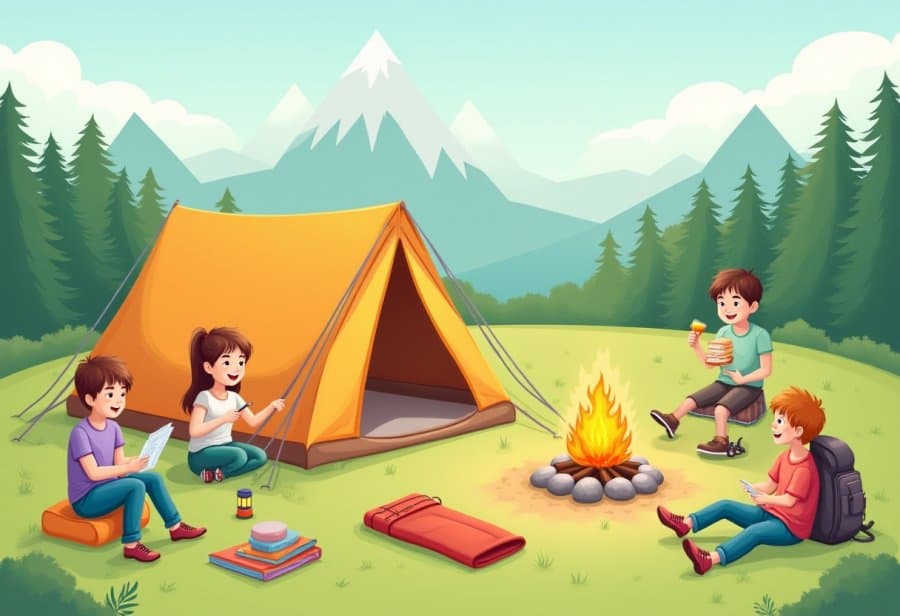
Starting your first camping trip can feel a bit daunting, but how you approach it makes all the difference. When you enter the outdoors with a positive and open mindset, what might seem overwhelming transforms into an exciting adventure. Instead of stressing over every detail, embracing flexibility helps you handle surprises—like changing weather or gear mishaps—with ease. This attitude turns obstacles into stories and learning moments, making your experience more enjoyable and less stressful.
Having the right camping mindset is about focusing on what you can gain—new skills, fresh perspectives, and memorable moments—rather than obsessing over perfection. When setbacks occur, whether it’s a tent that’s tricky to pitch or a pack that feels too heavy, viewing them as part of the journey helps you stay calm and confident. This shift in perspective allows you to see challenges as opportunities to grow, which builds resilience and makes each trip more rewarding.
Preparation plays a key role in shaping your outlook. Packing thoughtfully, understanding basic safety tips, and knowing your route give you a sense of control and confidence. When you’re well-prepared, it’s easier to relax and enjoy the experience rather than worry about what might go wrong. Trusting that you’ve done your homework helps you focus on the fun—like spotting wildlife or listening to the sounds of nature—rather than stressing over details.
Expectations also influence your camping mindset. Going in with the idea that things might not go perfectly keeps you flexible and open-minded. Weather changes, gear issues, or delays are all part of outdoor life. Accepting this makes it easier to stay positive and find joy in spontaneous moments, rather than being disappointed when plans shift. This openness often leads to some of the most memorable parts of your trip.
Ultimately, approaching camping with curiosity and patience deepens your connection to nature. When relaxed, you notice more—the play of sunlight through leaves, the chorus of night insects, the scent of pine. These small details turn an ordinary outing into a meaningful experience. Maintaining a solution-oriented attitude, even when faced with setbacks, encourages you to enjoy the outdoors fully and build confidence for future adventures. With the right mindset, your first camping trip can become the start of a lifelong love for exploring the outdoors.
Essential Tips and Checklists for a Smooth First Outdoor Adventure
Getting ready for your first outdoor adventure starts with a solid plan and a well-thought-out checklist. Focus on packing the essentials—items that keep you comfortable, safe, and prepared for whatever might come up. Choosing a beginner-friendly spot, like a nearby national park or a well-established campground, helps set a relaxed tone since these locations typically have the basics covered and are safer for newcomers. Once you’ve picked your site, make a list of must-have gear: a reliable tent suited for the weather, a warm sleeping bag, and clothes that can handle rain, wind, or chilly nights. Layering clothing is key, so pack moisture-wicking base layers, a waterproof jacket, and sturdy shoes to stay comfortable through changing conditions.
Safety should be a top priority. Bring a first aid kit, a flashlight or headlamp, and navigation tools like a map or GPS. These help you stay safe and boost your confidence when exploring unfamiliar terrain. Planning your meals in advance can make things much easier—simple, non-perishable foods that are easy to prepare, along with a portable stove, utensils, and snacks, will keep you fueled without hassle. Creating a checklist before you leave ensures you don’t forget anything, making the trip smoother and less stressful.
Choosing the right gear makes a big difference, especially for beginners. Opt for a tent that’s easy to set up and weather-appropriate, a comfortable sleeping bag and pad, and versatile clothing that can be layered. Safety equipment like a whistle, a basic first aid kit, and navigation tools are vital—even in familiar areas. Staying organized with lightweight containers and dividing your gear into categories—sleeping, cooking, safety, clothing—helps you find what you need quickly and move freely in the outdoors.
Spend some time researching your destination ahead of time. Know the rules of the area, check the weather forecast, and understand what wildlife you might encounter. Learning how to store food properly and observing safety around animals can prevent problems. Familiarize yourself with trail maps and routes if you plan to hike, so you’re prepared and confident exploring off the beaten path. Practicing setting up your tent at home can also save time and reduce stress once you’re in the field.
Packing efficiently is about more than just gear—it’s about packing smart. Use lightweight containers, pack only what’s necessary, and keep things organized so you don’t get overwhelmed. Remember that less is often more; bringing only what you need makes your trip more enjoyable. Double-check your checklist, practice essential skills like fire-starting or navigation, and you’ll be ready to embrace your outdoor adventure with confidence. With these preparations in place, you’ll set the stage for a first camping trip that’s fun, safe, and full of discovery.
How a Positive Attitude and Preparation Create a Joyful Camping Experience
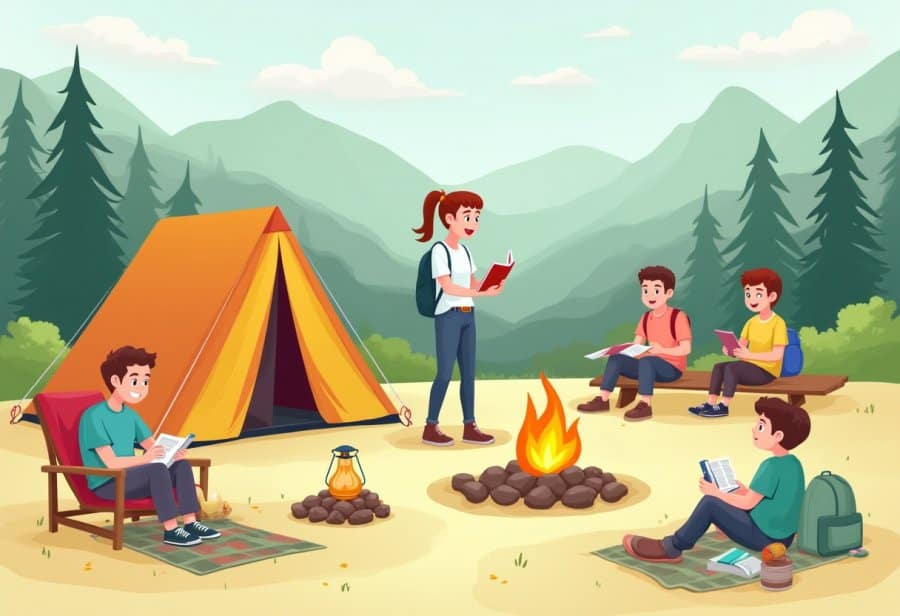
Creating a happy camping experience hinges on how attitude, preparation, and expectations come together. When you approach your trip with a positive mindset, you’re more likely to notice the small joys—like the way sunlight filters through the trees or the sounds of nighttime insects. This outlook helps you stay relaxed, even when things don’t go exactly as planned. Instead of feeling frustrated by unexpected weather or gear mishaps, you see these moments as part of the adventure, turning potential stress into stories you’ll laugh about later.
Preparation plays a big role in shaping how much you enjoy your trip. When you pack thoughtfully, understand your route, and have a simple plan, you’ll feel more confident and less overwhelmed. Knowing you have the essentials and basic skills allows you to focus on exploring and relaxing rather than stressing over details. Being ready turns what could be stressful moments into opportunities for spontaneous fun and discovery, making your experience more memorable.
Managing expectations is just as important as being prepared. Accepting that not everything will be perfect helps you stay flexible and open-minded. Weather may shift, equipment might act up, or plans could change—embracing these realities keeps your mood light. When you’re able to adapt and focus on shared experiences rather than perfection, you create a more enjoyable atmosphere for everyone involved.
A positive attitude also encourages mindfulness. When relaxed, you notice the little things—like the chorus of insects at dusk or the scent of pine after a rain shower—that deepen your connection to nature. These simple pleasures turn a routine outing into a meaningful moment. Sharing these observations with friends or family can turn a casual trip into a cherished memory, strengthening bonds and creating stories that last.
Staying calm amid challenges isn’t about ignoring problems but facing them with a solutions-focused mindset. Whether troubleshooting campsite issues or adjusting plans due to weather, maintaining composure helps you enjoy the outdoors without unnecessary stress. Over time, this approach builds resilience and confidence, making each trip more fulfilling and encouraging you to explore more.
Focusing on the present and embracing the imperfections of the journey turns camping into a rewarding experience. When your attitude is positive, your preparation thorough, and your expectations realistic, outdoor adventures become less about avoiding mishaps and more about discovering new things and making meaningful connections. It’s these moments—both smooth and rough—that make camping truly joyful and memorable.
Make Your First Camping Trip Unforgettable with Practical Tips and Mindful Moments
To make your first camping trip truly memorable, focus on creating moments that highlight the beauty of the outdoors and your connection to nature. Simple rituals like waking early to catch a sunrise or sharing stories around the campfire can leave lasting impressions. Planning ahead and packing thoughtfully allows you to stay relaxed, giving you space to enjoy spontaneous adventures without unnecessary stress.
A positive attitude is key. Even if things don’t go exactly as planned—perhaps it rains or setting up takes longer than expected—staying calm and adaptable turns potential frustrations into part of the fun. Focus on small joys, like the smell of fresh pine or the chorus of night insects, which deepen your appreciation for the outdoors and make your trip more meaningful.
Preparation plays a big role in shaping your experience. Knowing you have the right gear, understanding basic skills like lighting a fire or setting up your tent, and having a simple plan can boost your confidence. When you’re ready, you’re free to explore new trails, spot wildlife, or just relax with loved ones. These moments of ease turn a routine outing into a cherished memory.
Managing expectations helps keep the mood light. Accept that weather might shift or some equipment might act up. Recognizing that setbacks are part of outdoor life allows you to stay positive and focus on shared experiences rather than perfection. Often, it’s these unplanned moments that become the stories you’ll remember long after the trip ends.
Connecting with nature on a deeper level makes your trip special. Slow down to observe the way sunlight filters through trees or listen to the sounds of nighttime creatures. Participating in activities like star gazing or bird watching enhances this connection, transforming a simple outing into a meaningful mindfulness experience.
Sharing these moments with friends or family adds to their lasting impact. Whether roasting marshmallows, exploring a new trail, or sitting quietly watching the sunset, these small acts strengthen bonds and create stories that stay with everyone. Keeping the mood light and fun encourages everyone to relax and truly enjoy the outdoors.
Every trip offers a chance to learn and grow. Reflecting on what went well and what could improve helps you prepare better for next time. Over time, these memories build confidence and curiosity, inspiring ongoing outdoor adventures. Embracing both perfect and imperfect moments makes camping a rewarding experience—one that encourages you to explore more and cherish the journey.
Embracing the Future: Trends and Innovations Making Camping Easier for Beginners
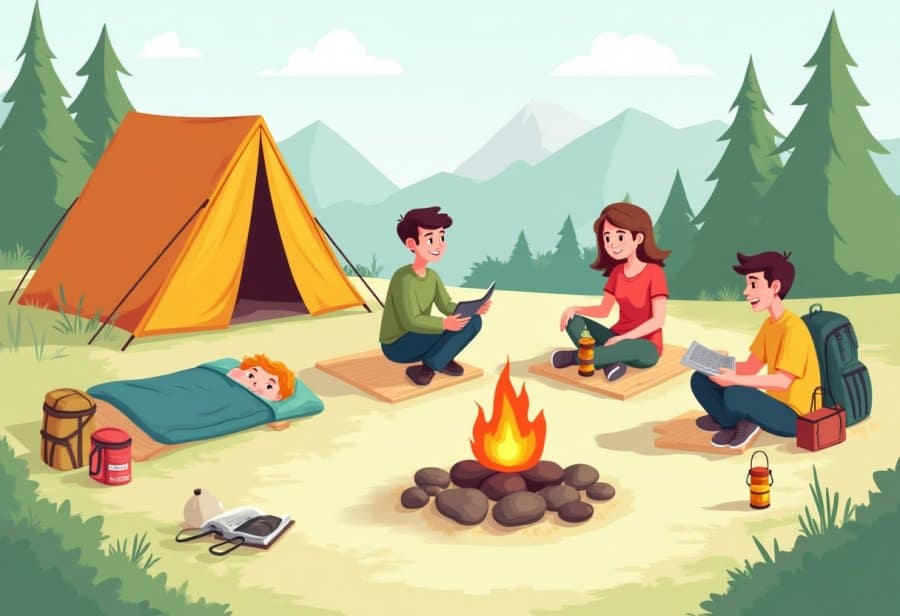
The future of camping for beginners looks brighter and more accessible than ever, thanks to a wave of new trends and innovations transforming outdoor experiences. Lightweight, easy-to-assemble gear means setting up camp is faster and less frustrating, allowing newcomers to focus more on enjoying nature rather than wrestling with heavy tents or complicated equipment. This shift helps build confidence with each trip, making outdoor adventures feel more manageable and inviting.
Technology continues to play a significant role in making camping safer and more convenient for beginners. Portable solar panels, user-friendly GPS devices, and dedicated outdoor apps offer tools for navigation, weather updates, and emergency communication. These innovations reduce the intimidation factor of exploring unfamiliar terrain, encouraging more first-timers to step outside their comfort zones and embrace the outdoors with confidence.
Eco-awareness is increasingly shaping how beginners approach outdoor recreation. Many campsites now promote sustainable practices, and gear manufacturers focus on environmentally friendly materials. This growing emphasis on leaving minimal impact fosters a sense of responsibility and respect for nature. For newcomers, integrating eco-conscious habits becomes second nature, deepening their connection to the environment and inspiring a more mindful outdoor ethic.
New destinations tailored for beginners are emerging as well. Curated campsites and accessible national parks with gentle trails, safety features, and educational resources create welcoming spaces for those just starting out. Guided programs and outdoor workshops are more available, offering hands-on learning in a supportive setting. These developments help lower barriers, making outdoor exploration less daunting and more enjoyable for everyone.
As societal attitudes toward outdoor activities shift, camping is increasingly seen as a wellness pursuit—an opportunity to disconnect from screens, reconnect with loved ones, and find mental clarity. This broader perspective makes outdoor adventures appealing to a wider audience, regardless of age or background. Staying open to these evolving trends will inspire beginners to explore more, turning each trip into a meaningful journey of discovery and growth.